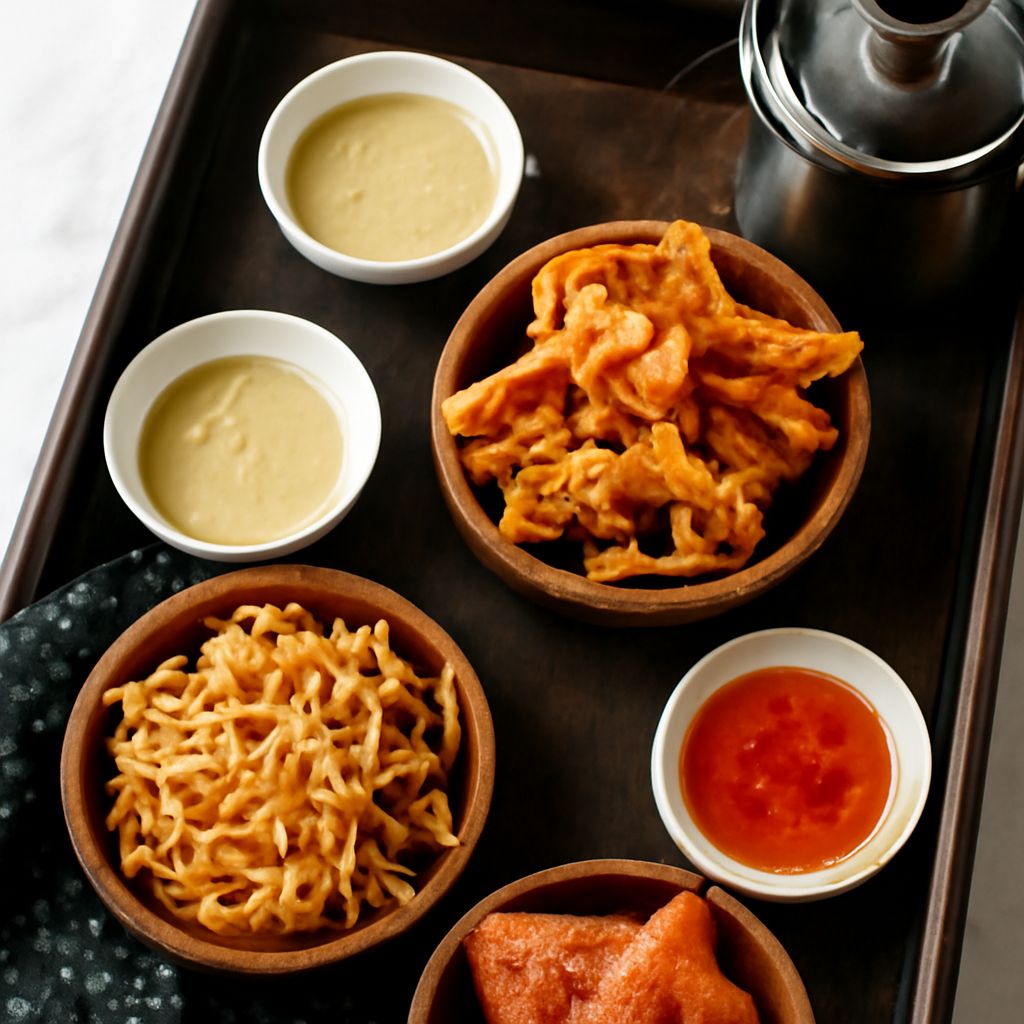
Chinese crispy noodles can mean a few different things, and they are not all made the same way. You may be thinking of crunchy chow mein noodles served under saucy stir-fries, or of fried noodles formed into crisp nests, cakes, or loose strands. The best results come from matching the noodle shape to the texture you want before you fry.
If you want a reliable crispy noodle method at home, use dried egg noodles or chow mein noodles, fry them briefly in hot oil, and drain them well so they stay light and crisp. Sauce timing matters just as much as the frying: pour sauce at the table for maximum crunch, or toss quickly if you want a softer edge.
What Chinese Crispy Noodles Can Mean
Chinese crispy noodles is a broad food term, so it helps to separate the main forms before you cook. In restaurants, the phrase may refer to one of four common styles:
- Crunchy toppings – thin fried noodle strands scattered over salads, soups, or stir-fries for contrast.
- Crisp noodle nests – compact rounds or nests that are fried until they hold their shape and often used as a base for saucy dishes.
- Noodle cakes – flattened or pressed portions that fry into a firm, browned disk.
- Loose fried strands – a pile of crisp noodles that stays separate and works like a garnish or snack.
These styles all rely on the same idea: dry noodles meet hot oil and lose moisture fast enough to turn crisp. What changes is the noodle shape, how tightly it is packed, and whether it is meant to support sauce or stay crunchy on its own.
For crunchy chow mein-style noodles, restaurants often use thin egg noodles fried until pale gold and airy. For nests and cakes, the noodles may be boiled first, then shaped and fried, or fried straight from dry depending on the desired chew and structure. That is why one restaurant’s version can feel delicate and shattery while another tastes denser and more structured.
Choose the noodle form based on how you plan to serve it:
- Use loose strands when you want crunch as a topping.
- Use nests when the noodles need to hold sauce underneath.
- Use cakes when you want a sturdy base with crisp edges.
- Use fried strands tossed with sauce when you want a softer, stir-fried finish.
The best noodle choice is usually a thin dried egg noodle or chow mein noodle because it fries evenly and becomes crisp without taking much time. Fresh noodles can work too, but they need more care because extra moisture can cause splattering and uneven browning.
Make Crispy Fried Noodles
Here is a dependable home method for crisp fried noodles that gives you either loose crunchy noodles or a simple nest. Start with 6 ounces dried thin egg noodles or chow mein noodles, 4 to 6 cups neutral oil for shallow or deep frying, and a tray lined with paper towels or a rack for draining.
Step 1: Prep the noodles
If the package directions say to boil first, cook the noodles just until flexible but still firm, usually 1 to 2 minutes less than fully done. Drain well and spread them out so steam escapes. If the noodles are already dried and very thin, you can often fry them directly without boiling, which makes them lighter and more brittle.
For crisp nests, form the drained noodles into small mounds or loose coils before frying. For strands, keep them separated with your fingers or a fork so they do not clump too tightly. Pat off surface moisture if needed; wet noodles lower the oil temperature and can turn greasy instead of crisp.
Step 2: Heat the oil
Heat the oil to 350 to 375°F. At this range, the noodles crisp quickly without soaking up too much oil. If you do not have a thermometer, test with one strand: it should bubble immediately and rise to the surface without darkening at once.
Use a wide pan, wok, or small pot with enough oil depth to let the noodles move freely. Crowding the pan drops the temperature and gives you chewy, pale results.
Step 3: Fry in small batches
Add a small handful of noodles or one nest at a time. Fry loose strands for about 20 to 45 seconds, turning once if needed. Fry nests or cakes for about 1 to 2 minutes per side, depending on thickness. You want a light golden color, not deep brown.
Watch for these doneness cues:
- The noodles look dry and lifted, not limp.
- The bubbling in the oil quiets down as moisture leaves the noodles.
- The color turns pale gold or light amber.
- The noodles feel firm when lifted with tongs.
If the noodles darken too quickly, the oil is too hot. If they stay soft and oily, the oil is too cool or the batch is too large.
Step 4: Drain correctly
Lift the noodles out with a spider strainer or tongs and drain them on a rack or paper towels. A rack keeps airflow around the noodles and helps them stay crisp longer, while paper towels work well for small batches. Salt them lightly only after draining so the seasoning does not pull out extra moisture too early.
Let them cool for a minute or two before serving. Crispy noodles firm up as they cool, so do not judge the texture the second they leave the oil.
Serve Chinese Crispy Noodles Without Losing Texture
The fastest way to lose crunch is to add sauce too soon. If you want the noodles to stay crisp, keep the fried noodles separate and spoon the sauce over them right before eating. That is the best approach for noodle nests, crispy bowls, and topping-style presentations.
For saucy restaurant-style dishes, serve the sauce and stir-fry alongside the fried noodles so the eater controls the timing. If you toss everything together, do it at the last second and use just enough sauce to coat, not drown, the noodles. Thick sauces cling better and soften the noodles more slowly than thin, watery ones.
Here are the most useful serving styles:
- As a base – place a crisp nest or cake on the plate and spoon saucy vegetables, seafood, chicken, or tofu over it.
- As a topping – sprinkle crunchy noodle strands over slaw, soup, or stir-fry for texture.
- Mixed in briefly – toss with sauce just before serving for a softer edge and partial crunch.
- On the side – serve fried noodles separately so everyone can control their own texture.
Regional and restaurant versions vary a lot. Some kitchens favor thin, delicate strands that crackle at first bite. Others build thicker nests that soak up gravy underneath while the top stays crisp. Both count as fried noodle styles, but they behave differently on the plate.
For storage, keep fried noodles uncovered or loosely covered at room temperature for a short period if you need to hold them before serving. Once sealed in a container, trapped steam softens them fast. If you must store them, cool them completely first, then keep them in a dry container lined with paper towel. Re-crisp them in a hot oven for a few minutes if needed, but expect some loss of delicacy compared with fresh-fried noodles.
If you are reheating a sauced dish, warm the sauce separately and add fresh fried noodles at the end. That gives you the best balance of hot sauce and crisp texture without turning the noodles mushy.