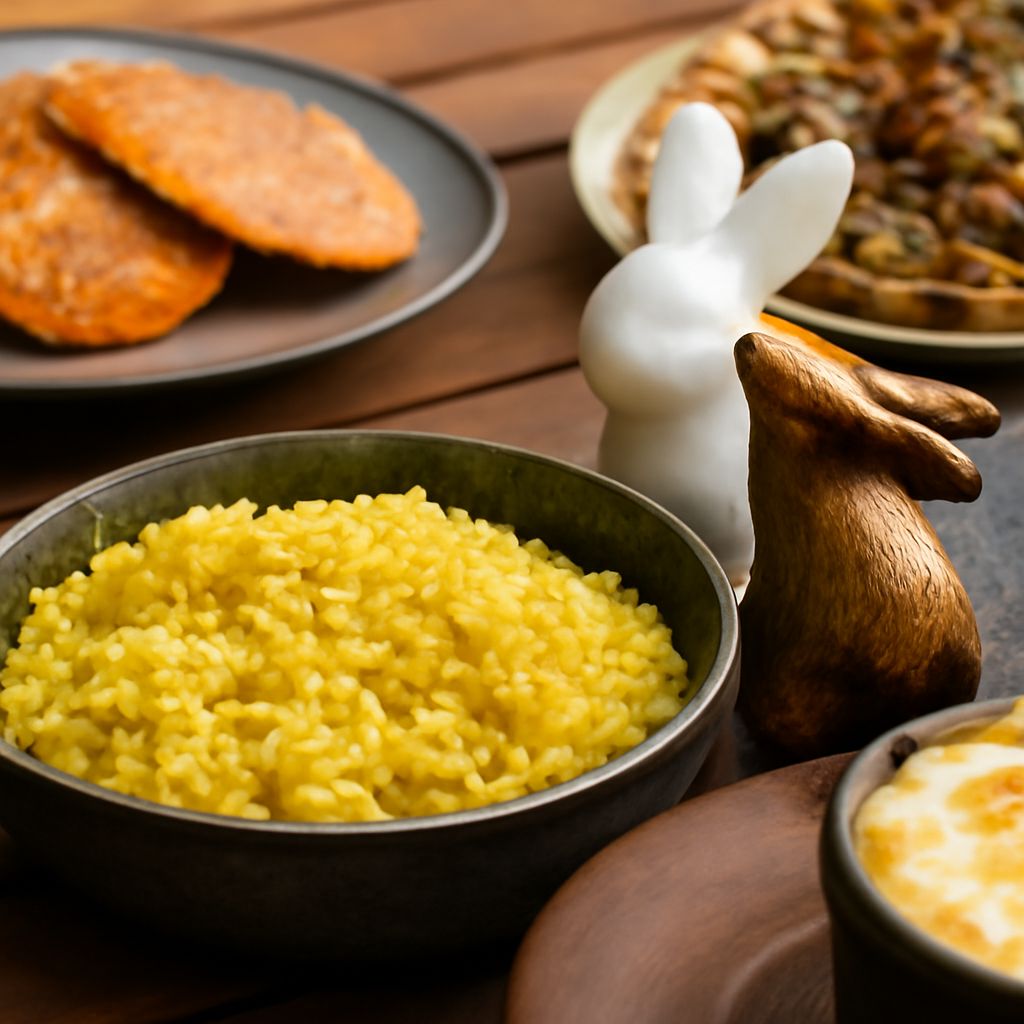
Haitian dishes are bold, savory meals built around rice, beans, stews, seafood, plantains, root vegetables, and well-seasoned meats. If you’re trying to understand Haitian food quickly, the core idea is simple: it’s deeply flavored comfort food shaped by African, French, Indigenous Taíno, and Caribbean influences, with seasoning that often includes garlic, scallions, thyme, citrus, peppers, and the Haitian herb blend called epis.
In everyday use, traditional Haitian food usually means home-style dishes such as rice and beans, griot (fried pork), joumou soup, legim vegetable stew, and tassot meat. These foods are often served in generous portions, with side dishes like fried plantains, pikliz, or grains and legumes that turn the meal into a full plate.
Haitian Dishes: Direct Answer
If you want the clearest definition, Haitian dishes are the traditional meals and everyday foods people in Haiti cook and eat using local ingredients and layered seasoning. The cuisine is known for being savory, aromatic, and practical: you usually get a starch, a protein, and a vegetable or sauce, all tied together with a strong flavor base.
What makes Haitian cooking stand out is the way it builds flavor before the main ingredients even hit the pot. Many recipes start with epis, a blended marinade or seasoning paste made from herbs, peppers, onion, garlic, and citrus. That base gives Haitian foods their familiar taste across many different dishes.
Some of the most recognized examples include:
- Griot — seasoned, braised, then fried pork
- Diri ak pwa — rice and beans, a common daily staple
- Joumou — squash soup often tied to Haitian independence
- Pikliz — spicy pickled cabbage and vegetables served as a condiment
- Banann peze — flattened fried plantains
- Legim — a vegetable stew made with greens and other produce
- Tassot — fried or crisped beef, goat, or turkey, depending on the version
If you’re comparing it to other Caribbean cuisines, Haitian food usually feels earthier and more herb-forward than sweet, and often more stew-based than grilled. The meals are filling, layered, and built for balance rather than a single dominant flavor.
How Haitian Dishes Vary
Haitian cooking varies by region, family, religious tradition, and access to ingredients. Coastal areas often lean more heavily on fish, conch, and other seafood, while inland meals may focus more on chicken, pork, goat, and root vegetables. In cities, you’re more likely to find quick street foods and daily rice plates; in homes, the dishes may be slower-cooked and more elaborate.
There’s also a difference between everyday meals and special-occasion foods. Some Haitian dishes are meant for a normal weekday plate, while others show up at holidays, celebrations, or Sunday gatherings.
Meal style changes the dish
You’ll often see the same ingredients prepared in different ways depending on the setting. For example, pork can become griot for a festive meal, while chicken may be stewed with vegetables for a family dinner. Beans might be served plain with rice one day and enriched with coconut or meat another day.
Texture matters too. Haitian meals often combine soft and crisp elements on the same plate: tender rice, rich stew, crunchy pikliz, and fried plantains. That mix is part of the cuisine’s identity, not an accident.
Seasoning is central, not optional
Many people recognize Haitian dishes by their seasoning profile before they identify the ingredients. You’ll usually notice:
- Garlic and scallions
- Thyme and parsley
- Citrus, especially lime or sour orange
- Scotch bonnet or similar hot peppers
- All-purpose seasoning blends built into the marinade
That seasoning approach helps the cuisine stay consistent even when the protein or vegetables change. It’s one reason Haitian foods taste distinct across soups, rice dishes, braises, and fried items.
Common Haitian Foods and Traditional Favorites
If you’re learning the cuisine, start with the dishes most people actually cook, order, and serve. These are the foundation of traditional Haitian food and the easiest way to recognize the cuisine in practice.
- Rice and beans — Often the daily base of a meal, usually served with meat, fish, or vegetables.
- Griot — One of the best-known Haitian dishes; pork is seasoned, cooked until tender, then fried for a crisp finish.
- Pikliz — A spicy, vinegary condiment that cuts through rich foods and adds heat and crunch.
- Joumou soup — A squash-based soup with meat, vegetables, pasta, and herbs.
- Legim — A cooked vegetable medley, often rich and savory rather than light or raw.
- Banann peze — Fried plantains flattened and fried again for a golden crust.
- Tassot — Meat that is heavily seasoned, braised or boiled, then fried until browned.
- Marinad — Fried savory fritters, often served as snacks or street food.
- Soup pois — A bean soup that can be thick, hearty, and meal-like.
These foods are useful reference points because they show the range of Haitian cuisine: soups, stews, fried foods, and staple starches all matter. If you’re looking at a menu, Haitian foods often cluster around those same building blocks, even when the exact recipe changes from one cook to another.
Another important detail is that Haitian meals often pair richness with acidity or spice. That balance keeps heavier foods from feeling flat. For example, griot becomes much more complete when served with pikliz and plantains; rice and beans feel more balanced when paired with a saucy stew or a bright pepper condiment.
How to Recognize and Use Haitian Cooking
You can usually recognize Haitian cooking by a few practical signals: strong herb-based seasoning, slow-cooked depth, a starch-plus-protein structure, and a frequent use of fried or braised meats with bright, sharp accompaniments. If a dish smells like garlic, thyme, citrus, and pepper before you even taste it, you’re probably in the right territory.
If you’re reading a menu or shopping for ingredients, these clues help:
- Look for epis — It’s the backbone of many Haitian recipes.
- Expect a starch — Rice, plantains, yam, cassava, or cornmeal often anchor the plate.
- Expect seasoning over simplicity — Haitian dishes are usually built with several layered flavors, not just salt and heat.
- Expect contrast — Rich meats often come with acidic or spicy sides like pikliz.
If you want to use Haitian food knowledge well, match the dish to the occasion. Choose griot, tassot, or plantains for a hearty plate. Choose joumou or soup pois when you want something more spoonable and filling. Choose rice and beans as a base when you need a complete meal that can carry almost any protein or vegetable.
For cooking, the most useful thing to remember is that Haitian food rewards prep. Make the seasoning base first, marinate long enough for the flavor to sink in, and build the meal in layers. That approach is what turns simple ingredients into recognizable Haitian dishes.