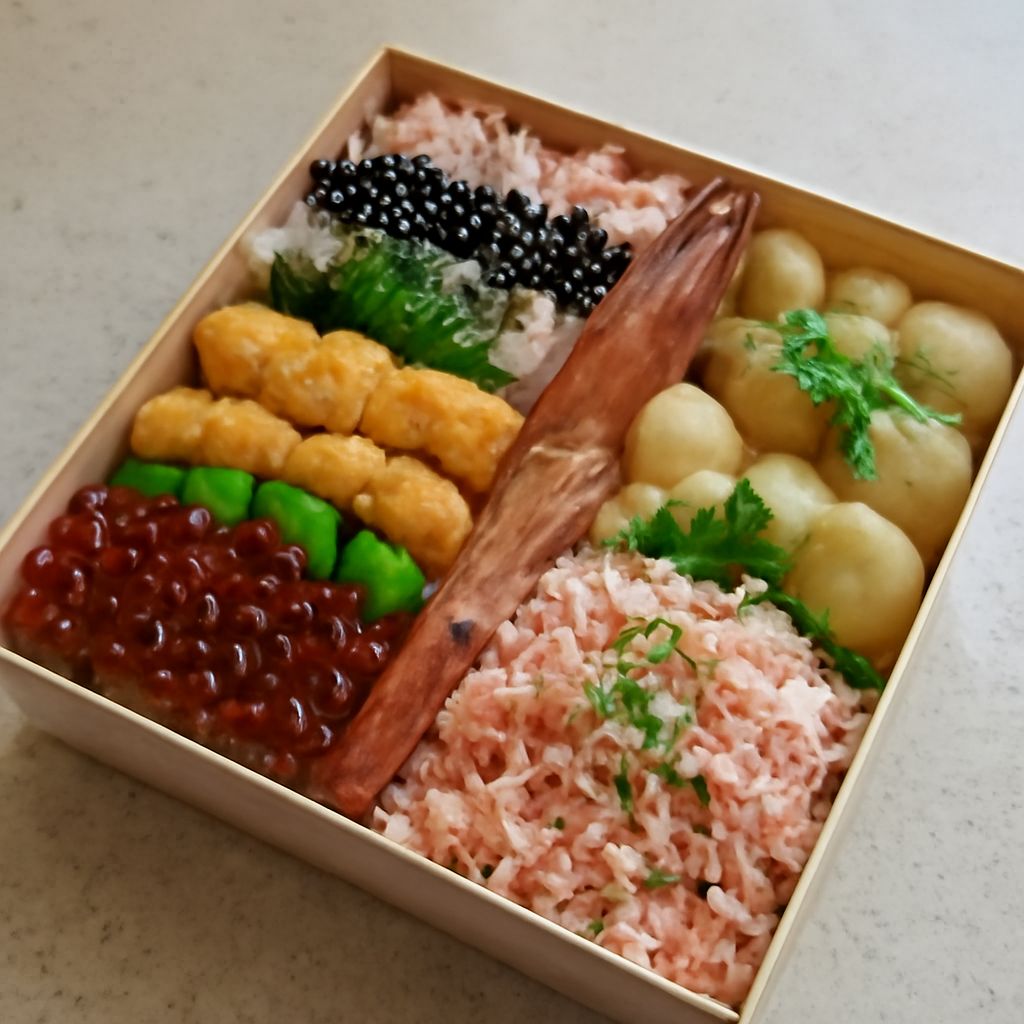
If you want the right bento box restaurant for lunch, dinner, or takeout, start by choosing the format that matches your goal: a fast lunch set, a casual Japanese dinner spot, or a higher-end omakase-style experience with a boxed meal option. The best choice depends less on the word “bento” itself and more on how the restaurant handles portion size, variety, speed, and price.
Use this guide to narrow your options quickly. You can also compare a bento-focused meal with an izakaya restaurant, a takoyaki restaurant, a best omakase experience, or a place serving ramen and sushi, depending on whether you want a full meal, shared plates, or a specialty-focused visit.
Bento Box Restaurant: Main Options
The most useful way to think about a bento box restaurant is by service style. These are the main options you’ll see, and each fits a different type of meal.
- Classic bento lunch spot — Best when you want a balanced meal fast. Expect rice, protein, vegetables, and pickles or salad in one box. This is usually the most practical choice for work lunches and weekday meals.
- Japanese casual dining restaurant — Best when you want a broader menu beyond bento. You can order a box meal plus noodles, fried appetizers, sushi rolls, or donburi. This format works well when people in your group want different things.
- Izakaya-style restaurant with bento — Best if you want small plates, drinks, and a more social meal. An izakaya restaurant may offer bento during lunch and a fuller shared-plate menu at night. Choose this when you want variety and atmosphere more than speed.
- Specialty Japanese restaurant with a bento set — Best when the restaurant is known for one strength, such as sushi, grilled fish, or seasonal dishes, and the bento is the most efficient way to sample it. This is a strong option when quality matters more than quantity.
- Takeout-first bento shop — Best for meal prep, office lunches, or dinner on the go. These menus are often streamlined, with clear protein and sauce choices and easy pickup.
If you want a very specific Japanese food experience, you may not need a bento-first place at all. A takoyaki restaurant makes more sense when you want octopus balls as the main event. A ramen and sushi restaurant fits mixed cravings and larger groups. The best omakase option is the right pick when you want a chef-led tasting menu rather than a packaged lunch set.
Compare Bento Box Restaurant by the Criteria That Matter
Portion size and value
Value is not just about the lowest price. A good bento box restaurant gives you enough food to feel satisfied without waste, and the box should make the meal easy to eat at your desk, at home, or on the move.
- Choose larger bentos if you want a full meal with rice, protein, and two or more sides.
- Choose smaller, refined bentos if you care more about quality, presentation, or premium ingredients.
- Choose set meals with add-ons if you want flexibility and may need extra soup, sashimi, or appetizers.
For everyday value, the sweet spot is usually a lunch set that includes a main protein, rice, vegetables, and one small side. For a special meal, a bento can still be worth it if the restaurant uses better fish, wagyu, seasonal vegetables, or house-made sauces.
Menu variety and dietary fit
The best bento restaurants make it easy for you to choose based on diet, appetite, and schedule. Look for clear options and ingredient swaps.
- Protein choices — Chicken, salmon, beef, tempura, tofu, or mixed seafood give you the most flexibility.
- Vegetable balance — A good box should include more than one vegetable component, not just garnish.
- Dietary needs — If you need lighter meals, look for grilled or steamed items. If you avoid gluten or dairy, ask how sauces and coatings are prepared.
- Group compatibility — If one person wants sushi and another wants noodles, a restaurant with ramen and sushi alongside bento is easier than a single-focus shop.
If you like Japanese food but want more control, choose a place where the bento is assembled from visible menu components. That usually gives you better substitution options than a fixed boxed meal.
Speed, service style, and occasion
Pick the restaurant by when and how you plan to eat.
- Fast lunch — Choose a counter-service or takeout bento spot so you can order, pay, and leave quickly.
- Relaxed dinner — Choose a sit-down Japanese restaurant with bento plus appetizers and drinks.
- Celebration meal — Choose a higher-end restaurant if the bento is part of a broader tasting or seasonal menu.
- Shared outing — Choose an izakaya-style place if the group wants to nibble, drink, and stay longer.
Service style affects the experience as much as the food. A bento box restaurant that is excellent for weekday lunch may feel too rushed for dinner. On the other hand, a sit-down Japanese restaurant may have better flavor but be less convenient when you need a reliable 30-minute meal.
Choose and Use Bento Box Restaurant
Best for a quick lunch
Choose a bento-focused lunch spot when you need predictable quality and minimal wait time. The best quick-lunch bento usually has three traits: a standard menu, fast assembly, and packaging that holds up during transport.
- Order a box with one main protein and one or two sides.
- Choose grilled or baked items if you want a meal that stays neat.
- Skip extras unless you have time to eat slowly or want more calories.
This is the best fit for office lunches, errands, and days when you want one complete meal without deciding among multiple courses.
Best for a casual dinner
For dinner, a bento box restaurant works best when it offers more than one way to dine. Look for a menu that includes appetizers, soup, sushi, or noodles so you can build a fuller meal. If the restaurant also functions like an izakaya restaurant, you’ll usually get the most flexibility.
- Choose bento if you want structure and portion control.
- Choose shared plates if you want to linger and try more dishes.
- Choose a stronger specialty menu if the restaurant is known for one thing, such as ramen, sushi, or seasonal fish.
If your dinner goal is conversation and variety, an izakaya-style setting usually beats a strictly lunch-oriented bento counter. If your goal is a polished meal without going all the way to the best omakase tier, a premium bento set can be the right middle ground.
Best for sharing or ordering ahead
Bento is especially useful when you need consistency. That makes it ideal for office catering, family orders, and planned pickup.
- Order ahead when you need multiple boxes with different proteins or dietary needs.
- Use labeled boxes if you’re serving a group and want each meal easy to identify.
- Choose sturdy packaging if the food will travel more than 20 to 30 minutes.
For group ordering, avoid overly delicate dishes that lose texture in transit. A bento with rice, grilled protein, and crisp vegetables usually travels better than fried items that must stay hot. If the group wants more variety, pair the bento order with a few add-ons from a takoyaki restaurant or a ramen and sushi menu, depending on what the restaurant offers.
When you compare bento options this way, the choice gets simple: pick a fast lunch spot for convenience, an izakaya-style restaurant for a social dinner, a specialty Japanese restaurant for quality, or a broader menu when your group needs more than one type of dish.