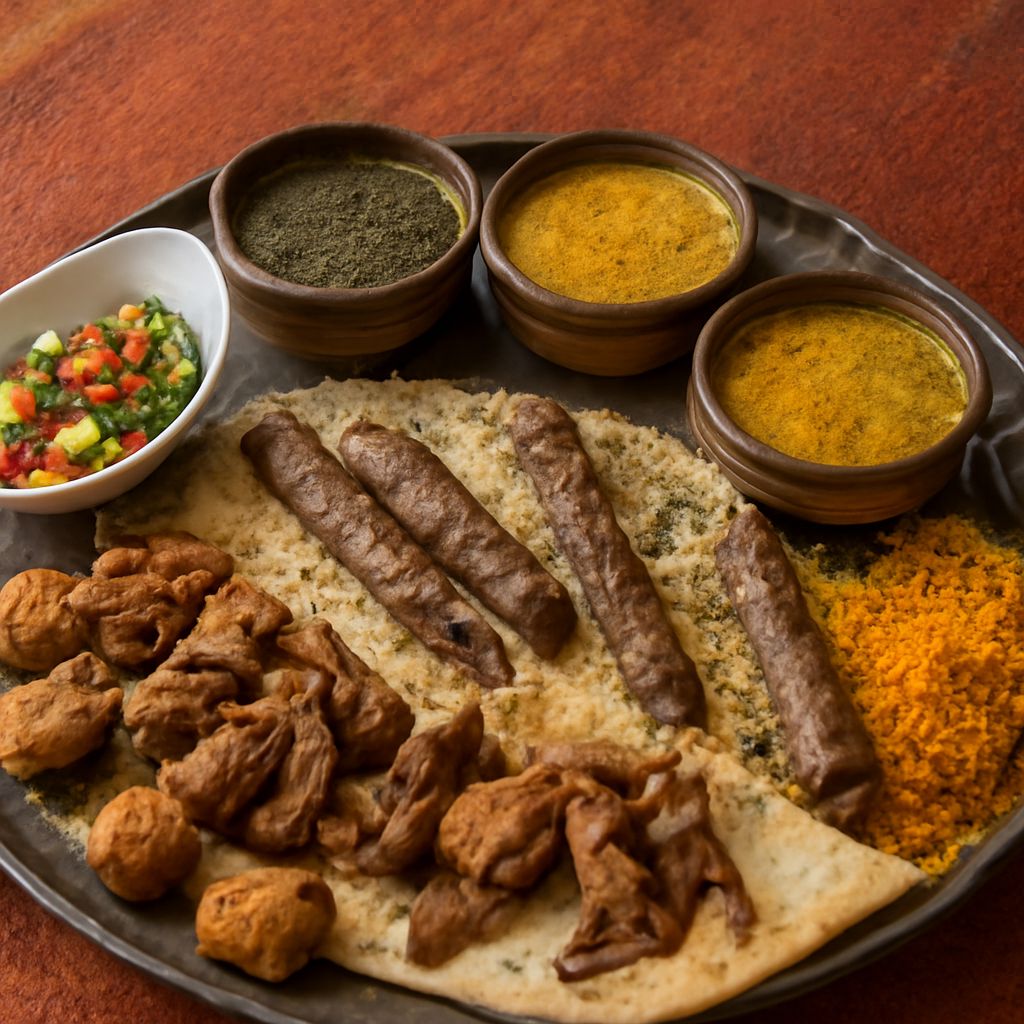
Afghan recipes center on fragrant rice, tender dumplings, flatbreads, slow-cooked stews, grilled meat, and vegetables finished with yogurt or herbs. The seasoning is usually aromatic rather than aggressively hot, so you can taste the sweetness of onions, the warmth of cumin and coriander, and the richness of lamb, beans, or eggplant.
If you are choosing among Afghan food recipes, start with kabuli palaw for a centerpiece, mantu or ashak for dumplings, and bolani for an easy bread-based meal. Recipes from Afghanistan also give you plenty of satisfying vegetarian options, including borani banjan, pumpkin, spinach, and bean dishes.
Afghan Recipes to Start With
Use this starter list to match a dish to the occasion and the amount of work you want to do:
- For a celebration: Make kabuli palaw, a mound of steamed rice layered with carrots, raisins, nuts, and tender meat. Serve it with a simple salad and yogurt.
- For a weekend project: Choose mantu or ashak. Both require filled dumplings, but their sauces turn them into a complete, satisfying meal.
- For a quick vegetarian meal: Prepare bolani with potato, scallion, or greens. Pan-fry the stuffed flatbread and serve it with yogurt or a fresh herb chutney.
- For grilling: Try Afghan-style seekh kebab or chunks of marinated lamb and beef. Add naan, sliced onions, herbs, and a tangy yogurt sauce.
- For a vegetable-centered table: Make borani banjan, roasted or fried eggplant topped with garlicky yogurt and tomato sauce. Add rice or flatbread to make it a full meal.
- For a hearty meatless stew: Cook lubia, a seasoned kidney bean dish, or a spinach-based sabzi. These pair well with rice, naan, or bolani.
A balanced first meal might include kabuli palaw, borani banjan, naan, and a cucumber-yogurt side. If you want a smaller spread, combine bolani with a bean stew and fresh herbs.
Staples and Flavors in Afghan Cuisine
Rice is a central staple, especially long-grain varieties that can be parboiled, steamed, and finished with a glossy layer of oil or butter. Cooks often build flavor with onions, garlic, meat stock, and whole spices before adding the rice. The result should be separate, tender grains rather than a wet or sticky pilaf.
Flatbreads provide another everyday foundation. Naan-e-Afghani is a long, oval bread with a crisp surface and soft interior. You can use it to scoop up qormah, wrap grilled meat, or accompany beans and vegetables. Bolani uses a thinner dough filled with potatoes, pumpkin, leeks, or greens, then cooked on a griddle until browned.
Afghan cuisine relies on gentle layers of flavor. Common seasonings include cumin, coriander, black pepper, turmeric, cardamom, cinnamon, cloves, and saffron. These spices may appear whole in rice or ground into a stew, but they generally support the main ingredients instead of overwhelming them with heat. Fresh cilantro, mint, dill, scallions, and parsley add brightness at the end.
Yogurt, dried fruit, and nuts create important contrasts. Plain yogurt cools dumplings and eggplant, while raisins, apricots, and carrots add sweetness to rice dishes. Almonds, pistachios, and slivered carrots provide texture. Use dried lime, lemon, or vinegar sparingly when a rich dish needs lift.
Afghan Food Recipes: Rice, Flatbreads, and Dumplings
Kabuli palaw is the best-known rice dish and a useful introduction to the cuisine. You season meat, often lamb or beef, with onion and warm spices, then layer it with steamed basmati rice. A topping of caramelized carrots, raisins, and nuts gives the dish its signature sweet-savory contrast. Keep the topping distinct rather than stirring everything into a uniform mixture.
Mantu consists of small steamed dumplings filled with minced beef or lamb, onion, and black pepper. The dumplings are usually topped with garlicky yogurt, a tomato-based meat sauce, and dried mint. Because the filling is savory and the toppings are creamy and tangy, mantu works well as a main course with a crisp salad.
Ashak resembles mantu in shape but uses a leek or scallion filling. It is commonly served with yogurt and a meat or tomato sauce, although you can make a vegetarian version by emphasizing the herbs and legumes in the topping. Ashak takes time to fold, so prepare it when you want a hands-on cooking project.
Bolani gives you the most approachable bread recipe. Roll a soft dough thinly, spread one half with mashed potato and scallion or chopped greens, fold it over, seal the edge, and pan-fry it with a light film of oil. Cook each side until golden and crisp, then cut it into wedges. Serve it immediately with yogurt, chutney, or a bean stew.
For a simpler bread option, warm naan and pair it with qormah. You can also serve rice alongside dumplings, but keep the portions moderate because mantu and ashak already contain a substantial dough component.
Meat, Vegetable, and Legume Dishes
Qormah, also spelled qorma or korma, refers to a family of slow-cooked stews. Meat cooks with onions, garlic, tomatoes, and spices until tender, while the sauce becomes concentrated and savory. Lamb gives the richest result, but beef or chicken also works. Serve qormah with rice or naan, and add fresh cilantro just before eating.
Afghan kebabs focus on the quality and tenderness of the meat rather than a heavy marinade. Marinate lamb, beef, or chicken with onion, garlic, yogurt, lemon, and mild spices, then grill it over high heat until browned outside and juicy inside. Thread meat with tomatoes or peppers if you want a complete platter, but avoid overcrowding the skewers, which causes steaming instead of charring.
Borani banjan combines eggplant, tomato, and yogurt. Salt the eggplant briefly, pat it dry, then roast or pan-fry it until soft and browned. Spoon over a tomato, garlic, and spice sauce, and finish with cool yogurt. Roasting keeps the dish lighter; frying gives it a more luxurious texture.
Kaddo bourani uses pumpkin or winter squash cooked until tender, then pairs it with sweet tomato sauce and garlicky yogurt. It suits a vegetarian table and makes a good seasonal alternative to eggplant. For a green option, prepare sabzi with spinach or other leafy greens, onions, garlic, and mild spices.
Lubia is a comforting kidney bean stew with tomatoes, onions, and warm seasoning. You can serve it as a main dish with naan or rice, or use a smaller portion beside grilled meat. For your first Afghan meal, choose one centerpiece, one vegetable dish, and one bread or rice staple; that combination shows the cuisine’s range without making every dish compete for attention.