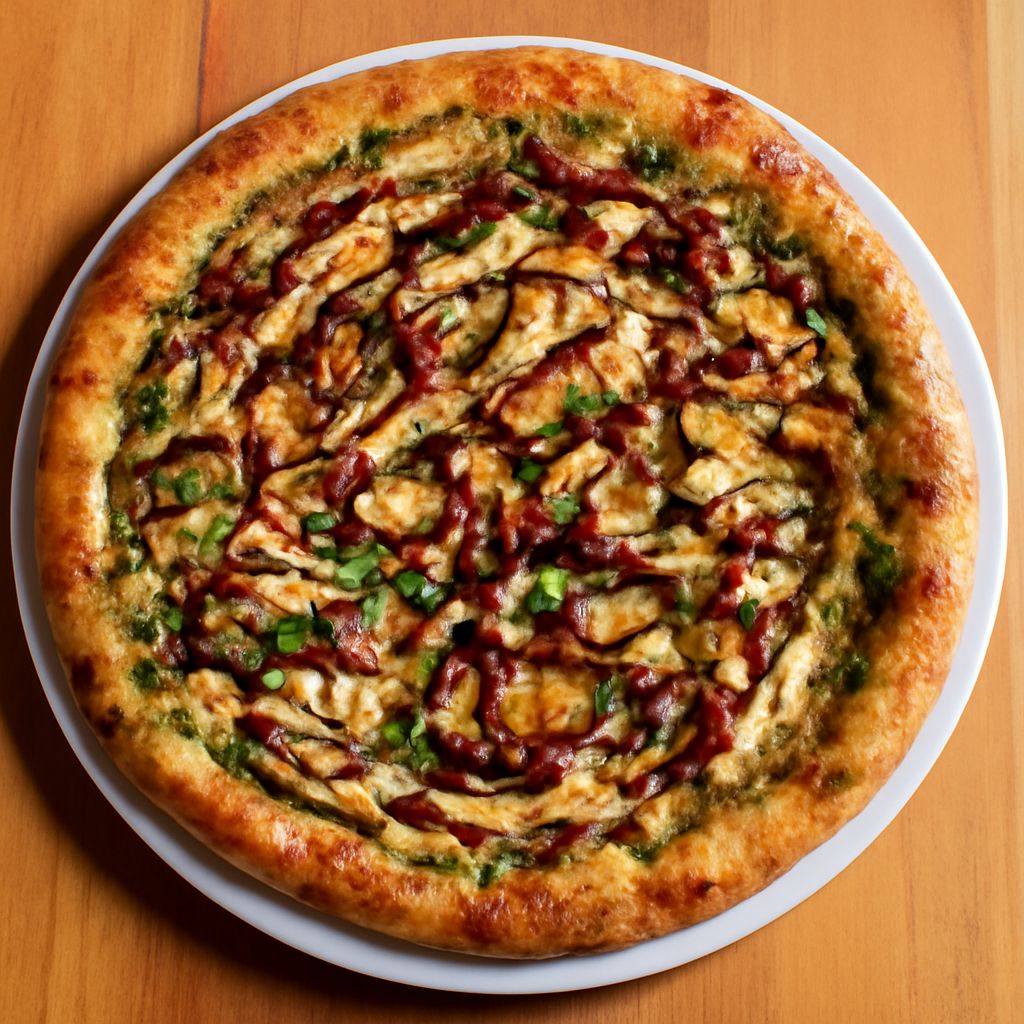
The best homemade pizza toppings balance flavor, texture, and moisture. For a 12-inch pizza, start with 1/3 to 1/2 cup sauce, 4 to 6 ounces of cheese, and about 3/4 to 1 cup of prepared toppings. That amount gives you a well-covered pie without burying the crust.
Use the pizza topping list below as a set of ingredients, then follow the complete combinations to see how each topping works with a particular sauce and cheese base.
Best homemade pizza toppings by sauce and cheese base
Choose the sauce and cheese before you choose every topping. Mild ingredients need a stronger base, while rich meats and salty vegetables work best with simple cheese and sauce.
- Tomato sauce and low-moisture mozzarella: The most flexible base for pepperoni, sausage, mushrooms, peppers, olives, onions, and roasted vegetables.
- Tomato sauce and fresh mozzarella: Best with a short ingredient list, such as basil, cherry tomatoes, roasted garlic, or prosciutto added after baking.
- Olive oil or garlic cream and mozzarella: Pair with spinach, mushrooms, chicken, caramelized onions, potatoes, or ricotta. Use less sauce so the pizza does not become heavy.
- Pesto and mozzarella or provolone: Pesto brings concentrated herbal flavor, so add neutral toppings such as chicken, zucchini, roasted peppers, or fresh tomatoes.
- Barbecue sauce and smoked gouda or mozzarella: Use pulled pork, cooked chicken, red onion, and pickled jalapeños. Keep the barbecue sauce layer thin because it is sweet and thick.
A practical rule for topping pizza is to use two or three main toppings plus one finishing ingredient. For example, sausage, peppers, and onions form a complete combination; basil or chili flakes can finish it without making the pie crowded.
Classic pizza topping combinations
These classic pizza topping combinations are reliable because each one balances a familiar sauce, cheese, and topping set.
- Margherita: Tomato sauce, low-moisture or fresh mozzarella, sliced tomatoes, and basil. Add the basil after baking if you want a fresher flavor.
- Pepperoni and mushroom: Tomato sauce, mozzarella, pepperoni, and thinly sliced mushrooms. The mushrooms add savoriness without competing with the pepperoni.
- Italian sausage, pepper, and onion: Tomato sauce, mozzarella, cooked crumbled sausage, thin green bell pepper, and yellow onion. Pre-cook the sausage and slice the vegetables thinly.
- Four cheese: A light tomato or olive-oil base with mozzarella, provolone, fontina, and a small amount of Parmesan. Keep the total cheese near 6 ounces for a 12-inch pie.
- Hawaiian: Tomato sauce, mozzarella, cooked ham, and drained pineapple. Pat the pineapple dry and use about 1/3 cup so its juice does not soften the crust.
- Vegetarian supreme: Tomato sauce, mozzarella, mushrooms, bell peppers, red onion, and olives. Roast or sauté the mushrooms first, and keep each vegetable portion modest.
For any of these combinations, distribute toppings to the edge but leave a 1/2-inch border. Even coverage helps the center cook at the same rate as the rim.
Creative pizza toppings: vegetable and meat combinations
Creative pizza toppings work best when you combine contrasting textures and control the strongest flavors. Use one rich ingredient, one vegetable, and one acidic, spicy, or sweet accent.
- Roasted squash and hot honey: Olive oil, mozzarella, roasted butternut squash, crispy sage, goat cheese, and a light drizzle of hot honey after baking. Cut the squash into small cubes so it cooks evenly.
- Pear and prosciutto: White garlic sauce, mozzarella, thin pear slices, prosciutto, and arugula. Add the prosciutto and arugula after the bake if you want delicate texture.
- Spicy chicken and corn: Tomato sauce, pepper jack, cooked chili-seasoned chicken, corn, pickled jalapeños, and cilantro. Drain the jalapeños and corn before adding them.
- Kimchi and pork: A thin layer of sesame-garlic oil, mozzarella, cooked ground pork, well-drained chopped kimchi, scallions, and sesame seeds. Add the scallions and sesame after baking.
- Potato, rosemary, and bacon: Olive oil, mozzarella, paper-thin potato slices, cooked bacon, rosemary, and Parmesan. Blanch or partially roast the potato first so it does not remain firm.
- Brussels sprout and sausage: Tomato sauce, fontina, cooked Italian sausage, finely shredded Brussels sprouts, red onion, and lemon zest after baking. Thin shreds brown better than thick pieces.
When a combination includes several bold ingredients, reduce the amount of each one. For a 12-inch pizza, use 2 to 3 ounces of meat, 1/2 to 3/4 cup vegetables, and no more than two salty finishing ingredients.
Sauce, cheese, and finishing toppings
Sauce and cheese determine how much additional topping your pizza can handle. Spread tomato sauce thinly with the back of a spoon; a thick layer creates a wet center. For a 12-inch pizza, 1/3 cup is usually enough, while a very thin crust may need only 1/4 cup.
Low-moisture mozzarella gives you dependable browning. Fresh mozzarella has better creaminess but releases more water, so drain it, tear it into small pieces, and blot it before using. Ricotta, goat cheese, feta, and Parmesan are flavorful accents rather than full replacements for melting cheese. Use about 2 to 3 ounces of soft or crumbly cheese alongside mozzarella.
Add fragile or bright toppings after the pizza comes out of the oven:
- Fresh basil, arugula, cilantro, scallions, and prosciutto
- Parmesan, lemon zest, cracked black pepper, and chili flakes
- Hot honey, pesto, garlic oil, and balsamic glaze
- Thinly sliced avocado or fresh herbs, which can lose flavor under high heat
Prepare toppings before topping a pizza
- Remove excess liquid. Drain and pat dry fresh mozzarella, canned pineapple, olives, artichokes, pickled peppers, corn, and kimchi. Squeeze thawed spinach firmly. Wet toppings steam the dough instead of letting it crisp.
- Slice for fast cooking. Cut mushrooms, onions, peppers, tomatoes, and pears thinly. Halve cherry tomatoes and place them cut-side up when possible. Thick pieces can remain raw while the cheese is already browned.
- Pre-cook dense or raw ingredients. Cook sausage, bacon, ground meat, and chicken completely before adding them. Roast potatoes, squash, carrots, and other firm vegetables until barely tender. Sauté mushrooms until their liquid evaporates, and wilt spinach before using it.
- Cool ingredients before assembling. Hot meat or vegetables can warm the dough and make it harder to launch. Let cooked toppings cool while you heat the oven.
- Build in a restrained order. Spread sauce, add cheese, then distribute meat and vegetables evenly. Keep heavier ingredients toward the center only in small amounts, and avoid piling toppings in one area.
- Bake on a fully heated surface. Heat a pizza stone or steel for at least 45 minutes, or preheat a sheet pan. At 500 to 550°F, a 12-inch pizza usually takes about 7 to 12 minutes, depending on the dough. The crust should be browned underneath, the rim puffed, and the cheese bubbling.
If the bottom is pale while the toppings are dark, reduce the topping quantity or move the pizza closer to the lower heat source. If the center is wet, use less sauce, drain the ingredients more thoroughly, or pre-cook vegetables longer.