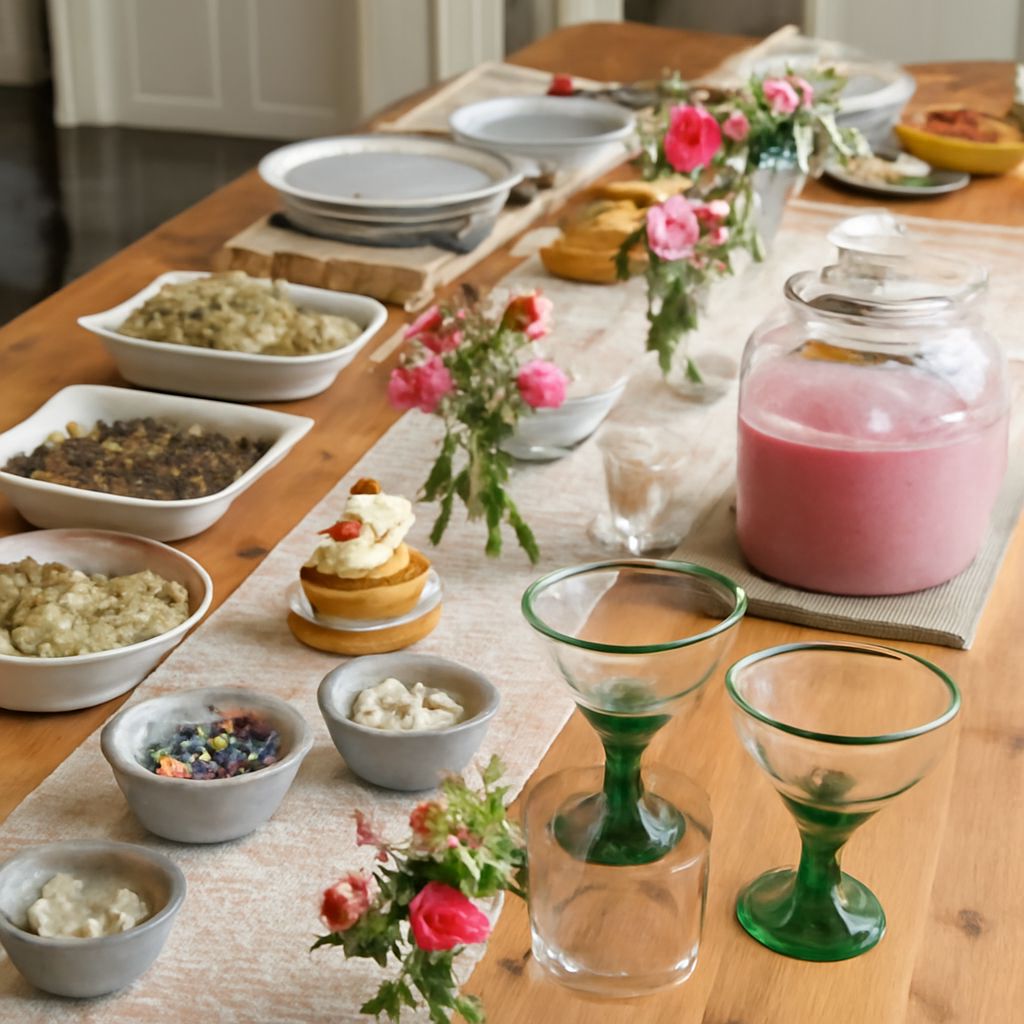
This taco bar checklist gives you a practical plan for feeding a crowd: choose two fillings, provide a vegetarian option, allow three tacos per adult, and buy 5 to 6 ounces of raw protein per guest. Add 10% extra tortillas and toppings, then keep hot foods and chilled foods in separate serving zones.
Use the schedule below to shop, prep, hold, serve, replenish, and clean up without crowding the buffet or running out of essentials.
Taco Bar Menu Planning: Choose Proteins, Vegetarian Options, and Sides
Build the menu around two flavorful fillings and one filling that covers vegetarian and dietary needs. Good combinations include chicken tinga with seasoned ground beef, carne asada with shredded chicken, or pork carnitas with black beans. Roasted cauliflower, sautéed mushrooms, or sofritas can replace beans as the vegetarian choice.
- Proteins: Offer one familiar option and one contrasting option, such as mild chicken and spiced beef. Keep sauces and garnishes separate so guests can control heat.
- Vegetarian filling: Plan a substantial portion of black beans, pinto beans, lentils, tofu, or roasted vegetables. Cook it with vegetable stock and use a separate serving spoon.
- Tortillas: Provide both corn and flour tortillas when possible. Corn tortillas are generally the easier gluten-free choice, but check package labels and prevent cross-contact with flour tortillas.
- Toppings: Prepare shredded lettuce, diced tomatoes or pico de gallo, chopped onion, cilantro, jalapeños, lime wedges, and sliced avocado or guacamole.
- Salsa and dairy: Offer a mild salsa, a hot salsa, shredded cheese, and sour cream or crema. Label spicy, dairy-free, and gluten-free choices clearly.
- Sides: Choose one or two filling sides, such as Mexican rice, refried beans, corn salad, or chips with salsa. Avoid offering so many choices that guests and serving dishes overwhelm the table.
For allergy-conscious service, use separate utensils for each topping and keep flour tortillas away from corn tortillas. Put ingredient labels in front of every dish, especially dairy, gluten, nuts, and spicy ingredients.
Taco Bar for a Crowd: Calculate Meat, Tortillas, and Topping Quantities
Base these allowances on adults eating about three tacos each. Children usually need half the adult amount. For a group with hearty appetites, use the high end of each range.
- Raw meat or poultry: Buy 5 to 6 ounces per adult, or about 3 1/2 to 4 pounds for 10 adults. This typically produces about 4 ounces of cooked filling per person. Split the total between two proteins.
- Vegetarian filling: Prepare 5 to 6 ounces per vegetarian guest, plus a small extra portion for curious diners. Count those servings separately rather than reducing the main protein too aggressively.
- Tortillas: Plan three per adult, then add 10% to 15% for tearing, seconds, and uneven portions. Ten adults need about 33 to 35 tortillas.
- Shredded lettuce: Allow 1 cup per adult if it is a main topping, or 1/2 cup if you have many other vegetables.
- Tomatoes or pico de gallo: Allow 1/4 cup per adult. Add another 1/4 cup per person if pico will double as a chip dip.
- Onion and cilantro: Plan about 2 tablespoons of each per adult.
- Cheese: Buy 1 1/2 to 2 ounces per adult. For 10 adults, that equals roughly 1 to 1 1/4 pounds of shredded cheese.
- Salsa: Allow 1/4 cup total per adult, divided between mild and hot varieties.
- Guacamole and sour cream: Plan 2 tablespoons of each per adult. Increase guacamole if it is a featured topping.
- Rice, beans, or other sides: Allow 1/2 cup per person for each side. Buy 1 to 2 ounces of chips per person, depending on how many sides you serve.
For taco bar menu planning, write the guest count at the top of your shopping list and multiply each allowance by the number of adults. Add children at half portions, then round packaged foods up to the next container.
Prep, Cook, and Hold Food on a Make-Ahead Schedule
- One to two days ahead: Shop, check serving dishes, make spice blends, cook beans, prepare pickled onions, and make salsa that improves with resting. Wash serving utensils and label dishes if guests have dietary restrictions.
- The day before: Marinate meat, shred cheese, wash lettuce, and prepare sturdy vegetables. Dice onions and peppers, but wait to cut avocado and delicate tomatoes until the day of service. Refrigerate all prepared foods in shallow, covered containers.
- Three to four hours before eating: Cook the meat and vegetarian filling. Prepare rice and beans, then transfer hot foods to covered slow cookers, chafing dishes, or insulated containers. Keep hot foods at 140°F or above.
- Thirty to 45 minutes before serving: Warm tortillas in batches and wrap them in a clean towel or tortilla warmer. Set out the cold toppings only when guests are nearly ready to eat. Keep chilled foods at 40°F or below, using ice under serving bowls when needed.
- During service: Put only a small amount of each topping on the buffet and keep the rest refrigerated or hot. Replace pans before they become empty rather than waiting until guests scrape the bottom.
Do not place hot pans beside bowls of guacamole, sour cream, or cut produce without a separate holding plan. Perishable food should not sit at room temperature for more than two hours, or one hour in temperatures above 90°F.
How to Set Up a Taco Bar: Separate Hot and Chilled Serving Lines
Use two clearly defined buffet zones, even if they share one long table. Put signs at the beginning of each zone so guests know where to start.
- Start with plates and napkins. Place plates at the entrance to prevent guests from balancing food while searching for them.
- Build the hot line next. Set out tortillas first, followed by hot meat, the vegetarian filling, rice, and beans. Use separate utensils and label each pan.
- Move to the chilled line. Arrange lettuce, tomatoes, onions, cilantro, jalapeños, cheese, salsa, guacamole, and sour cream in that order. Keep cold pans on ice or in chilled serving dishes.
- Finish with chips, drinks, and utensils. Put chips and extra salsa at the end so guests do not block the main taco assembly line. Place forks, spoons, napkins, and lime wedges nearby.
If space allows, place drinks on a separate table. For a large group, duplicate the most popular toppings or create two identical lines rather than forcing everyone through one narrow path.
Replenish the Buffet, Manage Leftovers, and Clean Up
Keep backup food in the kitchen and replenish in shallow batches. Stir hot fillings before serving a new pan, check that serving utensils match their dishes, and replace utensils that fall onto the table. Ask one person to monitor the buffet so guests do not have to report empty pans.
As the meal ends, remove chilled toppings first and return them to refrigeration if they have remained safely cold. Transfer leftovers into shallow containers, label them with the date, and refrigerate them within two hours. Discard food that has been left out too long or whose temperature is uncertain.
For cleanup, clear plates and trash, cover or refrigerate leftovers, soak serving utensils, wipe the hot-food area, then clean the chilled topping area. Finish by washing serving dishes, wiping the table, and checking the floor for dropped food.