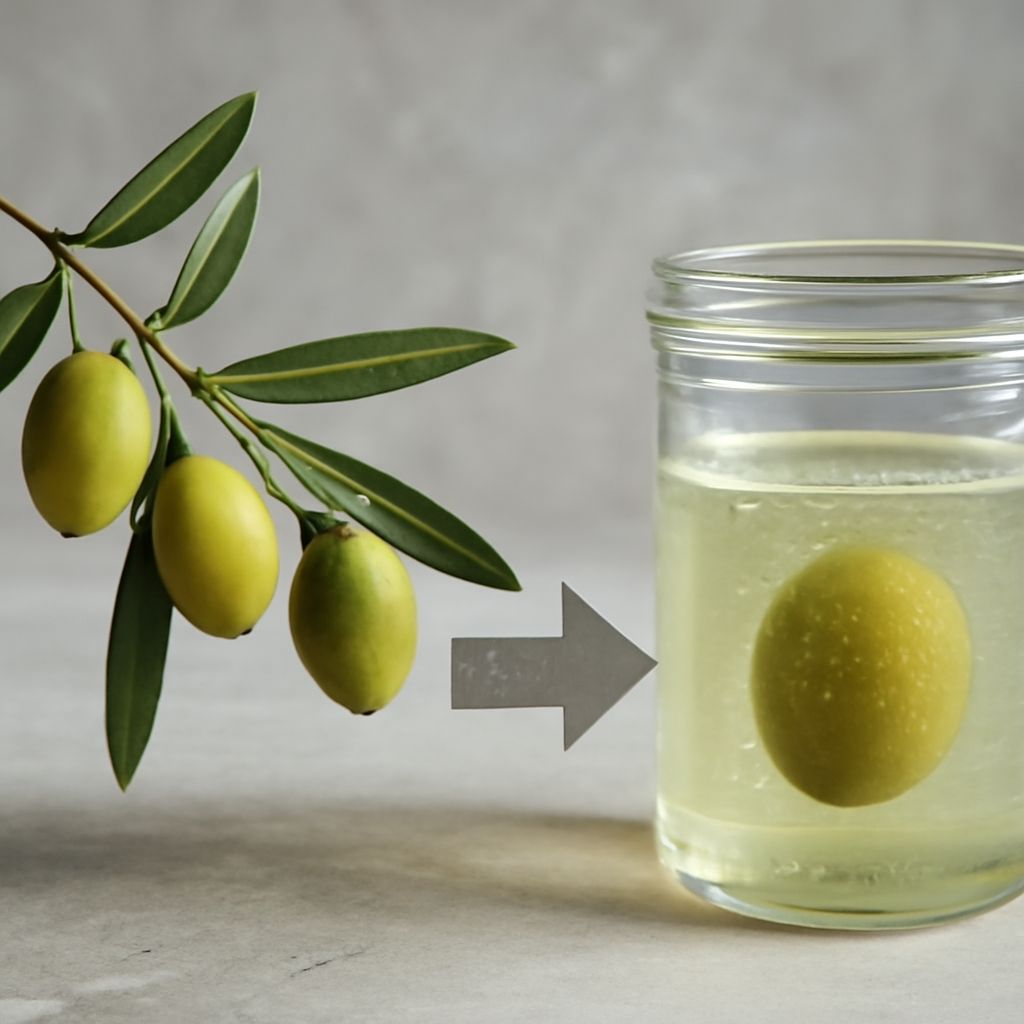
Fresh olives are too bitter to eat straight from the tree because they contain oleuropein, a naturally occurring bitter compound. To learn how to cure olives, you can use a water cure followed by seasoned brine, or place prepared olives directly into brine for a slower cure.
Water curing is quicker and lets you control bitterness through daily liquid changes. Direct brining takes longer but requires less handling. In either case, keep the olives fully submerged and taste them regularly.
How to Cure Olives: Choose a Water or Brine Cure
Choose firm green or partly purple olives for a water cure. They hold their shape and respond well to scoring or cracking. Fully black, ripe olives are softer and often need a longer, gentler brine cure.
- Water cure: Score or crack the olives, soak them in fresh water, and change the water daily for about one to two weeks. Finish with brine.
- Direct brine cure: Prepare the olives, cover them immediately with 10% brine, and let them cure for about three to six months.
Use the water method when you want faster bitterness reduction and frequent taste checks. Use direct brining when you prefer a traditional, hands-off process and a deeper fermented flavor.
Why Fresh Olives Need Curing
Fresh olives need curing because oleuropein makes them intensely bitter and astringent. Salt, water, and time draw this compound out of the flesh. A water cure removes bitterness through repeated dilution, while brine pulls out bitter compounds and supports gradual fermentation.
Scoring or cracking exposes more flesh to the curing liquid. Make two or three lengthwise cuts in each olive, or gently crack it once with a mallet without crushing the pit. Whole olives cure more slowly because the liquid has less access to the interior.
Green olives are usually more bitter than ripe olives, so they may need more days in water or more months in brine. Ripe olives can become soft if you crack them aggressively or leave them soaking too long.
Curing Olives: Prepare, Score, Crack, and Soak
- Sort 2 pounds of fresh olives, discarding bruised, moldy, or damaged fruit. Rinse them and remove stems or leaves.
- Score each olive two or three times, or crack each one gently. Wear gloves if the cuts irritate your skin.
- Put the olives in a food-safe glass or plastic container. Cover them completely with cold water and place a small weight on top to keep them submerged.
- Cover the container loosely and store it in a cool place. Drain and replace the water every day.
- Start tasting after five days. Green, scored olives commonly take seven to 14 days; cracked olives may be ready sooner. Continue changing the water until the sharp bitterness is mild but the olives still taste pleasantly olive-like.
Do not add salt during the water stage. Plain water makes it easier to judge the bitterness and prevents you from mistaking saltiness for a finished cure.
How to Process Olives: Follow the Cure Schedule and Taste Checks
To understand how to process olives, use taste rather than the calendar alone. Remove one olive with a clean utensil, rinse it, and taste the flesh near the pit. It is ready for brine when the bitterness is noticeable but no longer harsh or mouth-drying.
For a direct brine cure, pack prepared olives into a clean container and cover them with a 10% brine made from 100 grams of noniodized salt per 1 liter of water. Keep the olives submerged with a weight. Refrigerate, and begin tasting after three months. Continue for up to six months if the olives remain bitter.
During either method, discard the batch if you see fuzzy mold, notice a rotten odor, or find the olives slimy rather than simply soft. Add more brine if fruit rises above the liquid.
Finish the Cure with Final Brine and Flavoring
When the water-cured olives taste mild enough, drain and rinse them. Make fresh final brine with 100 grams of noniodized salt per liter of water. Stir until dissolved, then cool it completely before pouring it over the olives.
Pack the olives into clean jars and add flavorings such as lemon peel, rosemary, oregano, chili, or a few garlic cloves. Keep every olive below the brine, leaving about an inch of liquid above the fruit. Seal the jars and refrigerate them for at least one week so the seasoning can develop.
Keep the olives refrigerated and submerged while you use them. If you want less salt at serving time, rinse only the portion you plan to eat; do not dilute the storage brine in the jar.