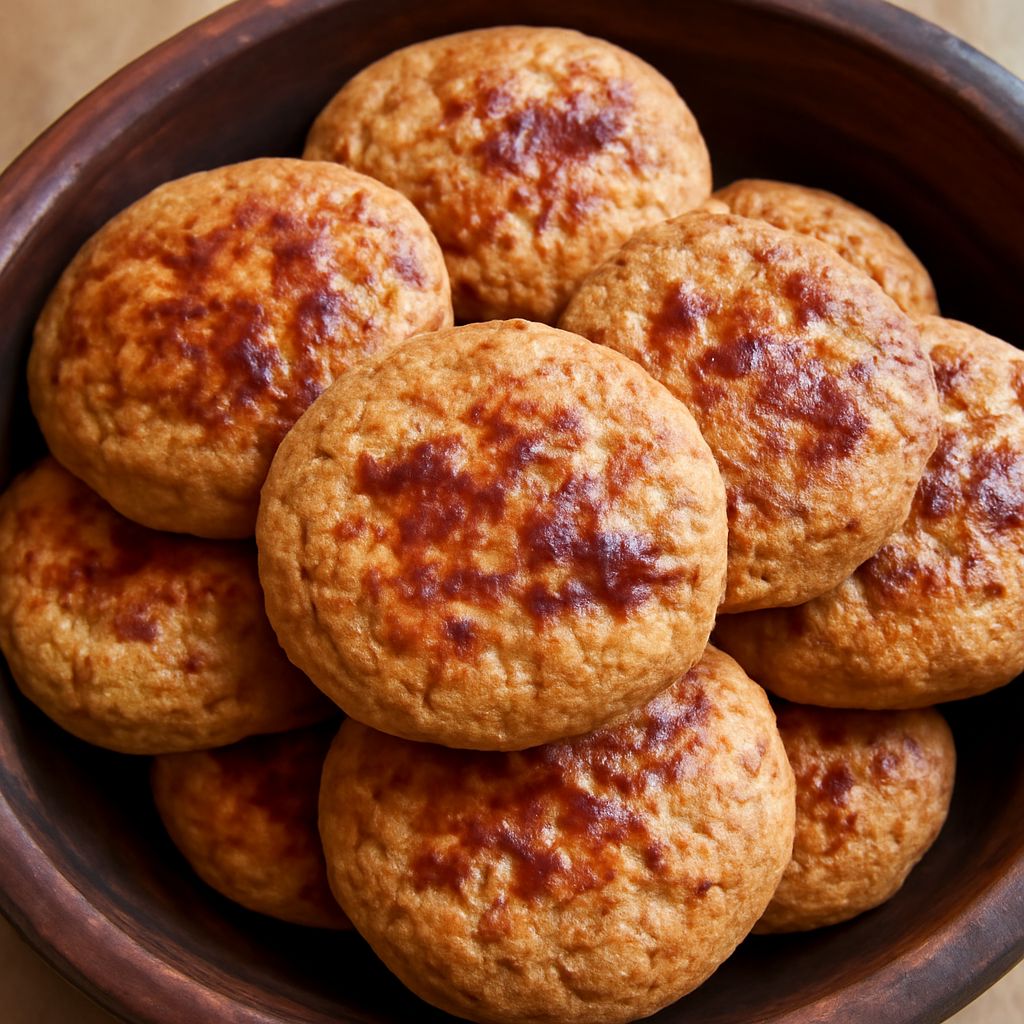
You can understand paraguayan food through four ingredients: mandioca, maize, cheese, and beef. These staples shape everyday meals, festive plates, breads, and even soups that you eat with a fork. In food in paraguay, Indigenous Guarani ingredients meet Spanish-influenced livestock, dairy, and cooking methods.
As you explore paraguayan cuisine, look for dense textures, smoky grilled meat, savory corn, and cassava-based doughs. Many dishes are filling and practical, designed to travel well, share at gatherings, or sustain you through a long day.
Paraguayan food staples: Mandioca, maize, cheese, and beef
Mandioca, also called cassava or yuca, is one of the defining foods of Paraguay. You may find it boiled and served beside meat instead of bread, mashed into patties, or processed into starch for flatbreads and dumplings. Its mild flavor and firm, satisfying texture make it a daily foundation rather than an occasional side dish.
Maize appears as fresh corn, ground meal, and flour. Cooks use it to give dishes body, sweetness, and a slightly grainy texture. Cheese adds salt, richness, and stretch, especially in baked snacks and cassava breads. Paraguayan cheeses are often firm enough to hold their shape while softening in the oven.
Beef reflects the importance of cattle and outdoor grilling. You will see it in asado, broths, stuffed cakes, and family meals. Together, these ingredients show the Guarani-Spanish character of the cuisine: Guarani foodways centered on cassava, maize, and local plants, while Spanish influence expanded cattle raising, dairy use, and wheat-based techniques.
Food in Paraguay: Sopa paraguaya, chipa, and mbeju
Sopa paraguaya surprises many first-time visitors because it is not a liquid soup. It is a firm, savory cornmeal cake made with maize meal, onion, eggs, milk, and cheese. The name likely preserves an older idea of a thick, spoonable “soup”; today, you slice the baked dish and serve it as a side, snack, or accompaniment to grilled meat. A good piece should be moist inside, lightly crisp at the edges, and rich with cheese.
Chipa is a small, chewy cheese bread traditionally made with cassava starch, cheese, eggs, and fat. Its ring or rounded shape makes it easy to carry, and you may encounter it at breakfast, during a bus journey, or alongside mate. The dough becomes pleasantly elastic from the starch, while the cheese gives it a savory aroma.
Mbeju is another cassava-starch specialty, but it forms a flat, rustic cake rather than a roll. Cooks combine starch with cheese, fat, and sometimes milk, then cook the mixture in a pan until it holds together with a crumbly, tender texture. You can eat it warm as a quick breakfast or afternoon snack. Chipa and mbeju both demonstrate how mandioca replaces wheat in distinctive Paraguayan baking.
Hearty Paraguayan dishes: Vori vori, asado, and payagua mascada
Vori vori is a thick, comforting soup containing small dumplings made from cornmeal and cheese. The dumplings simmer in a broth often enriched with chicken, beef, onion, and vegetables. Although the soup has liquid, the corn-and-cheese balls make it substantial enough to function as a full meal. You can expect a soft, tender bite and a broth that carries smoky or savory meat flavors.
Asado centers on beef cooked over wood or charcoal. Ribs, sausages, and other cuts may share the grill, while mandioca, sopa paraguaya, or salads accompany the meat. Asado is as much a social meal as a cooking style: you gather around the fire, eat gradually, and share pieces as they finish.
Payagua mascada combines mashed cassava with minced beef, onions, and seasoning, forming a dense cake or patty that is then cooked until browned. The name is associated with the Payaguá people, and “mascada” refers to its firm, chewy character. It offers a practical way to turn cassava and meat into a portable, filling dish.
Paraguayan cuisine: Mate, drinks, and meal traditions
Mate is a social herbal infusion prepared with yerba mate and hot water, then sipped through a metal straw from a shared gourd. You may receive the gourd in a circle, drink a portion, and return it to the server for refilling. The ritual emphasizes hospitality and conversation, not simply refreshment.
In hot weather, many people choose tereré, a cold version prepared with chilled water and often medicinal or aromatic herbs. You can also encounter mate or tereré with chipa, mbeju, or other snacks during breakfast and the afternoon merienda. Lunch and dinner commonly bring meat, mandioca, corn-based sides, and stews to the table, while family gatherings give asado and sopa paraguaya a more celebratory role.