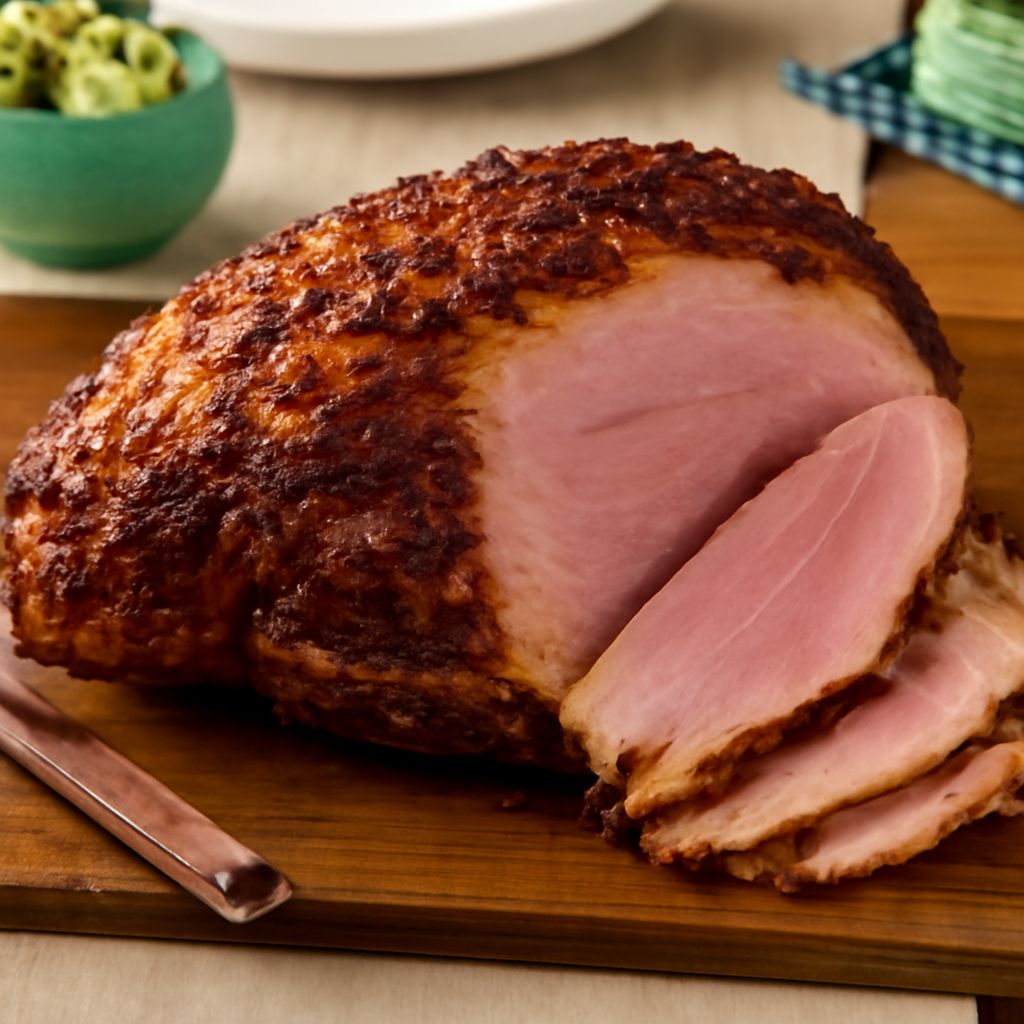
A glazed ham emerges from the oven with a burnished crust, while a bowl of green vegetables brings color to the table. A traditional dinner for Easter can be as simple as that contrast, rounded out with potatoes and something sweet. Foods served at Easter vary from one household and region to another, so choose a menu that suits both your guests and your kitchen.
Easter Food: Choose a Main Course
For a traditional Easter dinner with a familiar American centerpiece, choose a fully cooked ham and warm it according to its package directions. A half ham is easier to handle than a whole one for a smaller gathering. Score the surface lightly, if the rind has been removed, and brush on a glaze of mustard, brown sugar, and a little orange juice near the end of heating. The sugar can scorch if it spends too long in a hot oven, so watch the surface as it colors.
Use a food thermometer and follow the package instructions for reheating. Let the ham rest before carving; meanwhile, spoon any warm juices into a small pitcher. Set a sharp knife and a serving platter nearby before guests arrive. If you buy a bone-in ham, allow for the weight of the bone when deciding how much meat you need, and save it for a pot of beans or soup.
Roast lamb offers another direction. Season a leg or smaller roast with garlic, rosemary, salt, and pepper, and use a thermometer to judge doneness. The USDA recommends cooking whole cuts of lamb to at least 145°F, followed by a three-minute rest. Slice it across the grain and serve with lemon or mint for a bright finish.
Build a Balanced Plate
When considering what to make for Easter dinner, begin with the space and time your main dish needs, then choose sides that can share the work. Creamy scalloped potatoes are comforting with ham; roast potatoes with crisp edges suit lamb. Either can be assembled or cut ahead, then cooked while the main dish is in the oven if the temperatures and timing are compatible.
Add a green vegetable for freshness. Roast asparagus with olive oil, salt, and pepper until just tender, or steam green beans and finish them with lemon zest. A salad of tender lettuce, radishes, and a sharp vinaigrette can be made while the roast rests. Dress it at the last moment so the leaves stay lively.
For a vegetarian guest, make a substantial dish that belongs on the table rather than relying on side portions alone. A baked mushroom and lentil loaf, for example, can be prepared in a separate pan and served with the same potatoes and greens. Use vegetable broth in shared dishes, and check cheese labels if your guests avoid animal rennet. Ask about allergies and other dietary needs before shopping, so substitutions fit the people who will eat them.
Borrow From Regional Tables
Ideas for Easter dinner can come from different traditions without requiring every dish to belong to the same cuisine. In parts of the United States, ham often anchors the meal. In Greece, lamb is associated with Easter celebrations, and red-dyed eggs appear on many tables. In Italy, savory pies and sweet breads vary by region; colomba, a dove-shaped cake, is a familiar seasonal treat.
Easter’s festive foods offer pleasing directions for a menu. For Easter food with Greek and Italian influences, pair lamb with lemony potatoes and greens, then bring out a purchased colomba with coffee. Or serve ham with scalloped potatoes and a simple fruit dessert. If you include a dish that is new to your guests, tell them what it is and place it where everyone can help themselves. A small card naming its ingredients is especially helpful on a crowded buffet.
Leave Room for Dessert
Carrot cake, lemon tart, or a bowl of strawberries with lightly sweetened whipped cream can end the meal on a fresh note. Choose the cake or tart when you want a dessert that can be prepared ahead; fruit and cream require less oven space on the day. A bakery dessert is an easy choice when the kitchen is already busy.
Consider how the final course follows the main plate. After rich potatoes and glazed ham, citrus cuts through the sweetness; after lamb, strawberries and cream offer a gentle contrast. Offer coffee or tea alongside water, and set out dessert plates before clearing the main course. If someone avoids dairy, reserve some plain fruit before adding cream.
Make the Day Easier
Once you settle on your menu, write each cooking temperature and estimated time on one sheet. Check the serving dishes against your menu, then clear a shelf in the refrigerator for anything prepared ahead. If the oven cannot hold the main dish and potatoes at once, cook the potatoes first and reheat them while the meat rests, or choose a stovetop side.
A customary Easter supper feels relaxed when the cook has a little room to move. Set the table the day before, chill drinks, and prepare the dessert. Keep cold dishes refrigerated until serving, and refrigerate leftovers within two hours. Slice only the meat you expect to serve immediately; the rest can be carved later for sandwiches.
Use this final sequence to bring everything together:
- The day before, shop, prepare dessert, assemble the potatoes, and wash the salad greens.
- On the day, start the main dish according to its weight and package or recipe timing; put the potatoes in when the oven schedule allows.
- While the meat rests, cook the green vegetable, dress the salad, and warm the serving platter.
- Carve and serve, then bring out dessert once the table has been cleared.