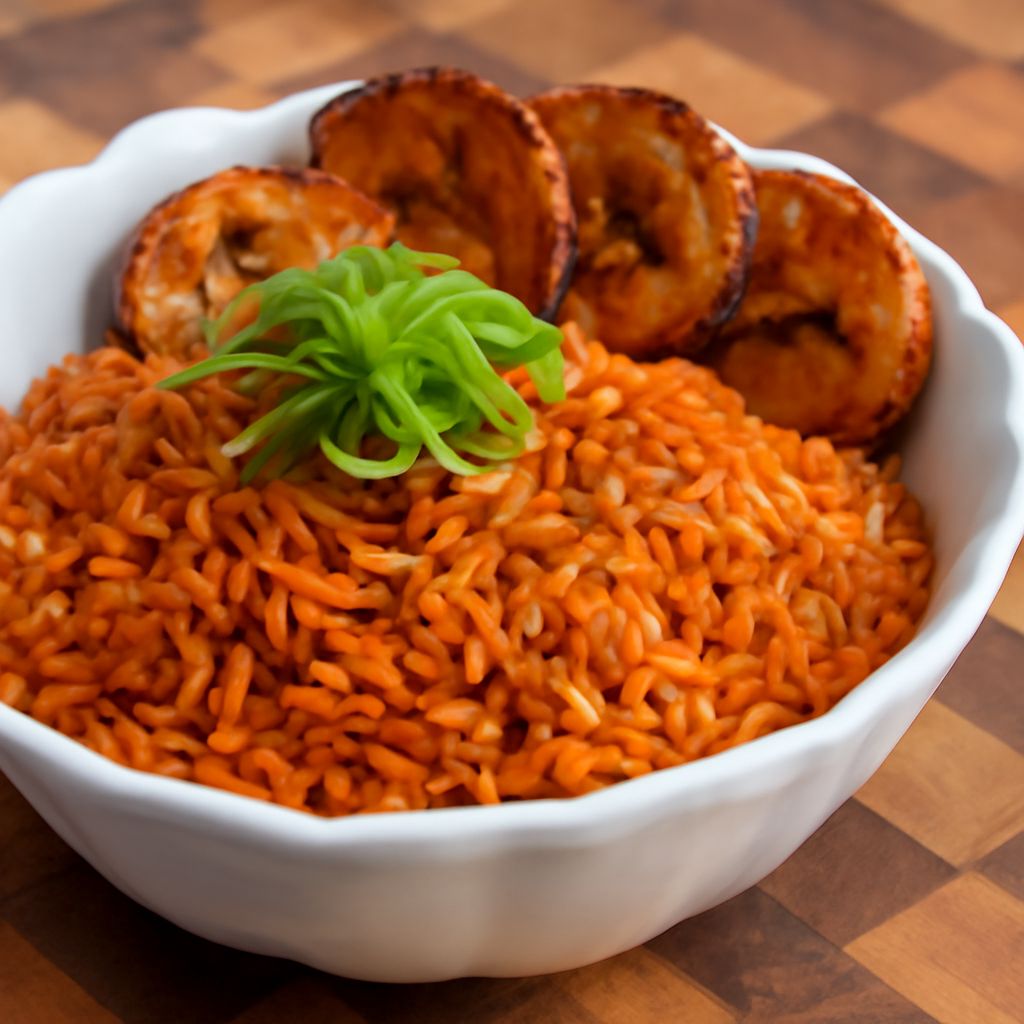
Jollof rice is more than just a dish; it’s a vibrant cultural symbol across West Africa. Known for its rich flavors and colorful presentation, this staple meal has sparked friendly rivalries, particularly between Nigeria and Ghana. Whether you are a culinary enthusiast or simply craving a taste of Africa, exploring jollof rice is a journey worth taking.
The Origins of Jollof Rice
Jollof rice traces its roots to the Senegambian region, specifically the ancient Wolof Empire, which is now part of Senegal, The Gambia, and Mauritania. The dish has evolved over time, traveling across West Africa and adapting to local flavors and ingredients. Traditionally made with rice, tomatoes, onions, and spices, jollof rice is a testament to the region’s rich agricultural and culinary history.
Nigerian Jollof Rice: A Flavorful Tradition
Nigerian jollof rice is renowned for its smoky flavor, which is achieved by cooking the rice in a rich blend of tomatoes, peppers, and onion base. The dish often includes spices like thyme, bay leaves, and curry powder, creating a complex and savory profile. Many Nigerians prefer using long-grain parboiled rice, which absorbs the flavors without becoming mushy. The result is a mouthwatering dish often served at parties and celebrations.
Ghanaian Jollof Rice Recipe
If you want to prepare a classic Ghanaian jollof rice, you’ll need the following ingredients:
- 2 cups of long-grain rice
- 1 can of tomato paste
- 2 cups of chicken broth
- 2-3 ripe tomatoes, blended
- 1 large onion, chopped
- 2-3 tablespoons of vegetable oil
- 1 teaspoon each of thyme and bay leaves
- Salt and pepper to taste
- Optional: chicken or fish for additional flavor
- Heat the oil in a large pot and sauté the onions until translucent.
- Add the blended tomatoes and tomato paste, stirring frequently until the mixture reduces and thickens.
- Pour in the chicken broth, thyme, bay leaves, salt, and pepper. Let it simmer for 10 minutes.
- Add the rice, stirring to ensure it is well-coated with the sauce.
- Cover the pot and reduce the heat. Cook for 20-30 minutes, or until the rice is tender and the liquid is absorbed. Stir occasionally to prevent sticking.
- Serve hot, optionally garnished with cooked chicken or fish.
Key Differences Between Nigerian and Ghanaian Jollof
The rivalry between Nigerian and Ghanaian jollof rice is legendary, with each country claiming superiority. Here are some key differences:
- Rice Type: Nigerians typically use long-grain parboiled rice, while Ghanaians often prefer basmati rice for its aromatic qualities.
- Flavor Base: Nigerian jollof is known for its smoky taste, often achieved by allowing the rice to singe at the bottom of the pot. Ghanaian jollof emphasizes a tomato-rich flavor.
- Spices: While both versions use a mix of spices, Nigerians may add curry powder and thyme, whereas Ghanaians often use nutmeg and ginger.
- Cooking Method: Ghanaians sometimes prepare their jollof with coconut milk or stock for added richness, differing from the typical Nigerian method.
Why Jollof Rice is a Cultural Icon
Jollof rice is more than just a culinary delight; it embodies the essence of West African hospitality and community. Often served at weddings, birthdays, and festivals, it’s a dish that brings people together. Each region’s unique take on jollof reflects local tastes and traditions, showcasing the diversity and unity of West African cuisine.
Whether you’re tasting jollof rice for the first time or revisiting a beloved recipe, this dish offers a flavorful journey through the heart of Africa. Dive into the rich tapestry of spices and aromas, and discover why jollof rice remains a celebrated icon across the continent.