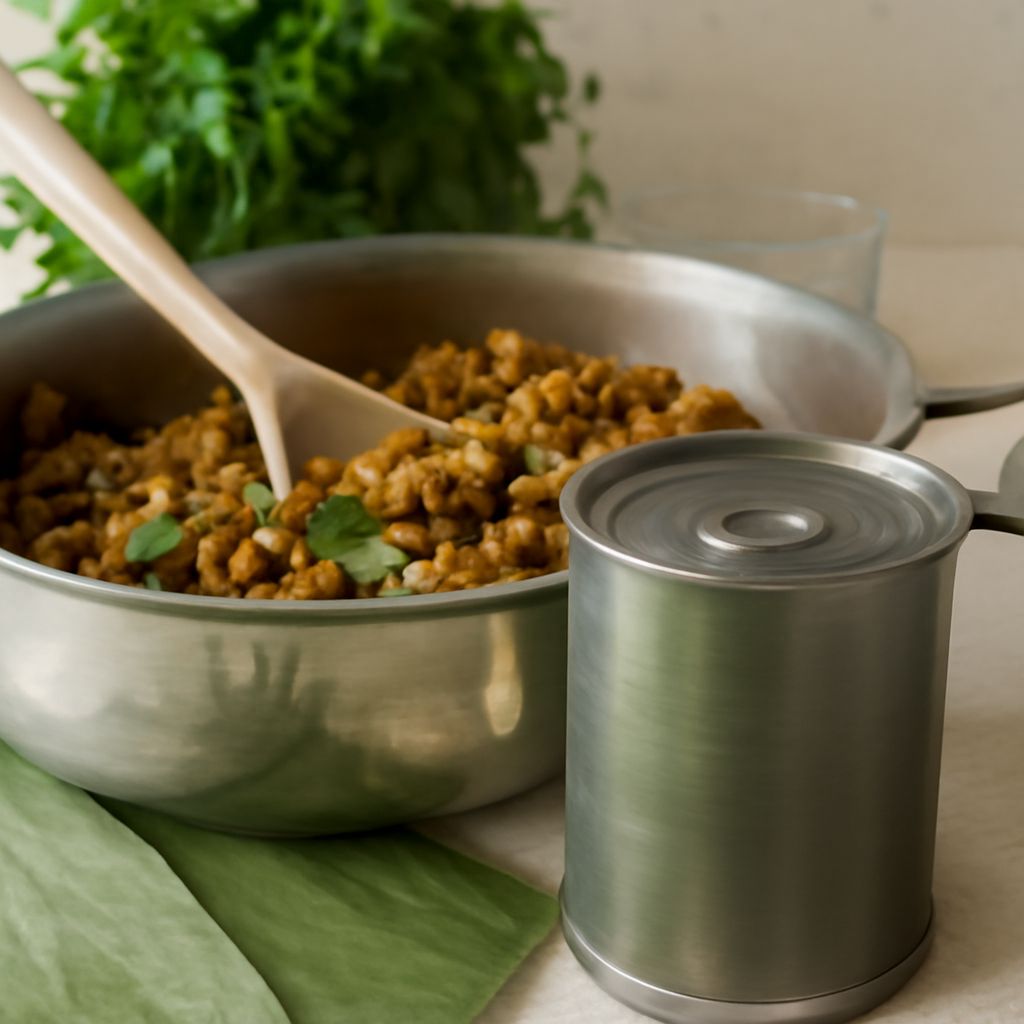
If you’re curious about the ingredient that gives Puerto Rico’s favorite holiday rice its signature flavor, you’re not alone. Gandules in English are known as pigeon peas, a small, round, greenish legume that’s essential to the traditional dish called arroz con gandules. This combination—rice and pigeon peas—is at the heart of Caribbean cuisine and has become a symbol of celebratory meals across Puerto Rico and beyond. In this guide, you’ll learn exactly what gandules are, why they matter culturally, and how to cook a classic arroz con gandules recipe at home. You’ll also get expert tips for achieving perfect rice and gandules and ideas for serving and customizing this beloved dish.
What Are Gandules in English?
Gandules in English are called pigeon peas. These small, round legumes are light green to brown in color and are commonly used in Caribbean, Latin American, African, and South Asian cuisines. Pigeon peas (scientific name: Cajanus cajan) have a mild, nutty flavor and a firm texture that holds up well during cooking, making them a staple for rice dishes, stews, and soups.
In supermarkets across the United States, you’ll find pigeon peas canned, dried, or frozen—often labeled simply as “pigeon peas” or, in Spanish-speaking areas, “gandules.” Canned pigeon peas are the go-to choice for convenience and consistency in recipes like arroz con gandules. The dried version requires soaking and longer cooking times, while the frozen kind can be cooked directly from the freezer without much change in flavor or texture.
Pigeon peas are packed with protein, fiber, vitamins, and minerals, which makes rice and pigeon peas both nutritious and filling. Their unique taste and texture set them apart from other beans or peas, giving dishes like arroz con gandules their signature appeal. While substitute legumes can be used in a pinch, using true gandules is important for authenticity in Puerto Rican and Caribbean cooking.
When preparing rice and gandules, you’re not just using any pea or bean—pigeon peas are the specific ingredient that defines the dish. They combine beautifully with the rice and seasonings, creating a balanced, savory profile and a vibrant look that’s instantly recognizable at festive tables.
The Cultural Significance of Rice and Gandules
Rice and gandules is more than just a meal—it’s a cornerstone of Puerto Rican tradition and a symbol of shared celebration. Arroz con gandules is considered Puerto Rico’s national dish and is served at nearly every holiday, family gathering, and major event. It’s especially popular at Christmas and New Year’s, when large batches feed families and friends who have come together to celebrate.
Historically, gandules were introduced to the Caribbean from Africa and India, and their adaptability made them a vital crop for generations of islanders. The pairing of rice with pigeon peas, flavored with sofrito (a blend of aromatics), pork, and rich seasoning, became a hallmark of Puerto Rican cuisine. This tradition spread throughout the Caribbean and into Latin American communities abroad, making rice and pigeon peas a beloved comfort food for millions.
Arroz con gandules is about more than delicious flavors—it’s about connection. Every family has its own version, handed down through generations, with tweaks to the spices, the method, or the type of meat included. For Puerto Ricans, preparing and eating arroz con gandules together is a sign of love and heritage. Even outside Puerto Rico, the aroma of rice and pigeon peas on the stove is an invitation to gather, celebrate, and remember home.
Beyond Puerto Rico, pigeon peas and rice appear in regional variations throughout the Caribbean—Jamaica’s rice and peas, Trinidad’s pelau, and the Dominican Republic’s moro de guandules. Each variation reflects local ingredients and cultural preferences, but gandules remain the star ingredient in these festive, communal dishes.
Classic Arroz con Gandules Recipe
Making a traditional arroz con gandules is straightforward, but every step matters for authentic flavor and texture. Here’s a detailed, foolproof recipe that serves 6–8 people. You’ll be making a true rice and pigeon peas dish just as it’s served in Puerto Rican homes.
- 2 cups medium-grain rice (Do not rinse; starchy rice creates the right texture)
- 1 (15-ounce) can of pigeon peas (gandules), drained (or 1½ cups cooked dried or frozen pigeon peas)
- 2–3 tablespoons olive oil
- 4 ounces pork fatback or smoked ham, diced (optional for extra depth)
- ½ cup sofrito, homemade or store-bought (see below for a basic version)
- ¼ cup tomato sauce
- 1 teaspoon ground cumin
- 1 teaspoon dried oregano
- 2 packets (about 2 teaspoons) sazón with coriander and annatto
- 2 cups chicken broth (or water)
- Salt and black pepper, to taste
- 2–3 tablespoons pimento-stuffed green olives, sliced
- 1 tablespoon capers
- 1–2 bay leaves
Basic Sofrito (if making from scratch)
- ½ green bell pepper
- ½ red bell pepper
- ½ medium onion
- 4 garlic cloves
- ½ cup cilantro leaves
- 2 tablespoons fresh oregano
- Pulse all ingredients in a food processor until finely minced.
Instructions
- Heat oil and brown the pork or ham (if using): In a large, heavy-bottomed pot (caldero or Dutch oven), heat the olive oil over medium heat. Add the diced pork fatback or ham, and cook until lightly browned and aromatic, about 4–6 minutes.
- Build the sofrito base: Stir in the sofrito and sauté until fragrant, 2–3 minutes. Add the tomato sauce, cumin, oregano, and sazón, mixing well.
- Add the pigeon peas and flavor: Add the drained pigeon peas, then stir in the olives, capers, and bay leaves. Cook for 2 more minutes to let the flavors meld.
- Incorporate the rice: Add the uncooked rice and stir to coat the grains in the seasoned mixture, ensuring an even color and distribution.
- Add broth and season: Pour in the chicken broth (or water), then season with salt and black pepper to taste. Stir well, scraping any browned bits from the bottom.
- Cook uncovered: Bring the mixture to a boil, stirring once to smooth the rice into an even layer. Let it boil uncovered until the liquid is absorbed just below the surface of the rice—about 5–7 minutes. Do not stir again.
- Steam to finish: Once most of the liquid is absorbed and you see small “tunnels” or holes in the rice, reduce the heat to low. Cover the pot tightly with a lid (or foil), and allow the rice and gandules to steam undisturbed for 20–25 minutes.
- Fluff and serve: Remove from heat and let the pot sit, still covered, for 10 minutes to finish steaming. Discard bay leaves, then gently fluff the rice and pigeon peas with a fork. Serve hot.
The finished arroz con gandules should be fluffy yet cohesive, with each grain of rice tinted golden by the sazón and studded evenly with tender pigeon peas. The aroma of sofrito, olives, and pork should be rich but balanced, never overwhelming.
Tips for Cooking Perfect Rice and Pigeon Peas
Getting arroz con gandules just right takes a little practice and attention to detail. Follow these expert tips to avoid mushy rice, uneven seasoning, or stuck-on bottoms.
- Use a heavy-bottomed pot: A caldero is traditional and delivers the best texture, but a Dutch oven also works. The thick base prevents burning and encourages even cooking.
- Don’t rinse the rice: For authentic texture, use unrinsed medium- or short-grain rice. The extra starch helps the grains cling together slightly—key for rice and pigeon peas in the Puerto Rican style.
- Balance the liquid: Too much broth leads to mushy rice; too little, and the rice stays undercooked. Stick to a 1:1 ratio of rice to liquid, plus a splash extra if your rice is very dry or the peas are dried instead of canned.
- Flavor is built in stages: Sautéing the sofrito, tomato sauce, and seasonings before adding rice and liquid infuses every grain with savory depth.
- Don’t stir once simmering: After the first boil, do not stir! Stirring at this stage makes the rice gummy and uneven.
- Let it “rest” after steaming: Always allow the rice and gandules to sit, covered, for 10 minutes after cooking. This final rest ensures perfect fluffy grains and complete absorption of flavor.
- Customize your protein: Pork is classic, but you can swap it for chicken, turkey, or leave it out for a vegetarian version. A smoked meat adds a deep undertone, while omitting meat lets the sofrito and spices shine.
If your rice and pigeon peas recipe comes out too wet, let it steam uncovered for a few minutes to help excess moisture evaporate. If the rice is too dry, drizzle in a little hot broth, re-cover, and let it steam a bit longer. The golden, crispy layer at the bottom—called pegao—is prized by many and perfectly edible if you like texture contrasts.
Serving Suggestions and Variations
Rice and gandules is delicious as a main course or as a side to your favorite Puerto Rican or Caribbean dishes. For a classic presentation, serve it with roasted pork shoulder (pernil), fried plantains (tostones), or stewed chicken. A fresh salad of lettuce, tomatoes, and avocado balances the richness of the rice and pigeon peas, while a side of hot sauce or ají wakes up the flavors for those who like a little heat.
You can easily adapt arroz con gandules to suit dietary needs or available ingredients. For a vegetarian version, omit the pork and use vegetable broth; boost flavor with extra sofrito, capers, and olives. For a vegan dish, check that your sazón and tomato sauce contain no animal products. If you want to add more vegetables, diced bell peppers, carrots, or peas blend well without overpowering the base flavors.
Rice and gandules also forms the base for creative leftovers. Use it as a filling for burritos, stuff it into bell peppers, or fry it in patties for a crispy snack. If you’re serving a crowd, double the recipe and prepare in a large paella pan or roaster. Garnish with extra cilantro or a squeeze of lime before serving to brighten the flavors.
Regional and family variations abound—some cooks use coconut milk for a creamier, slightly sweet finish, while others blend in a dash of vinegar or hot pepper for extra zing. In the Dominican Republic, coconut rice and pigeon peas (moro de guandules con coco) is a beloved twist; in Trinidad, pelau adds browning sauce and is cooked with chicken or beef. No matter which path you choose, the essential pairing of rice and pigeon peas offers endless possibilities for personalization and enjoyment.