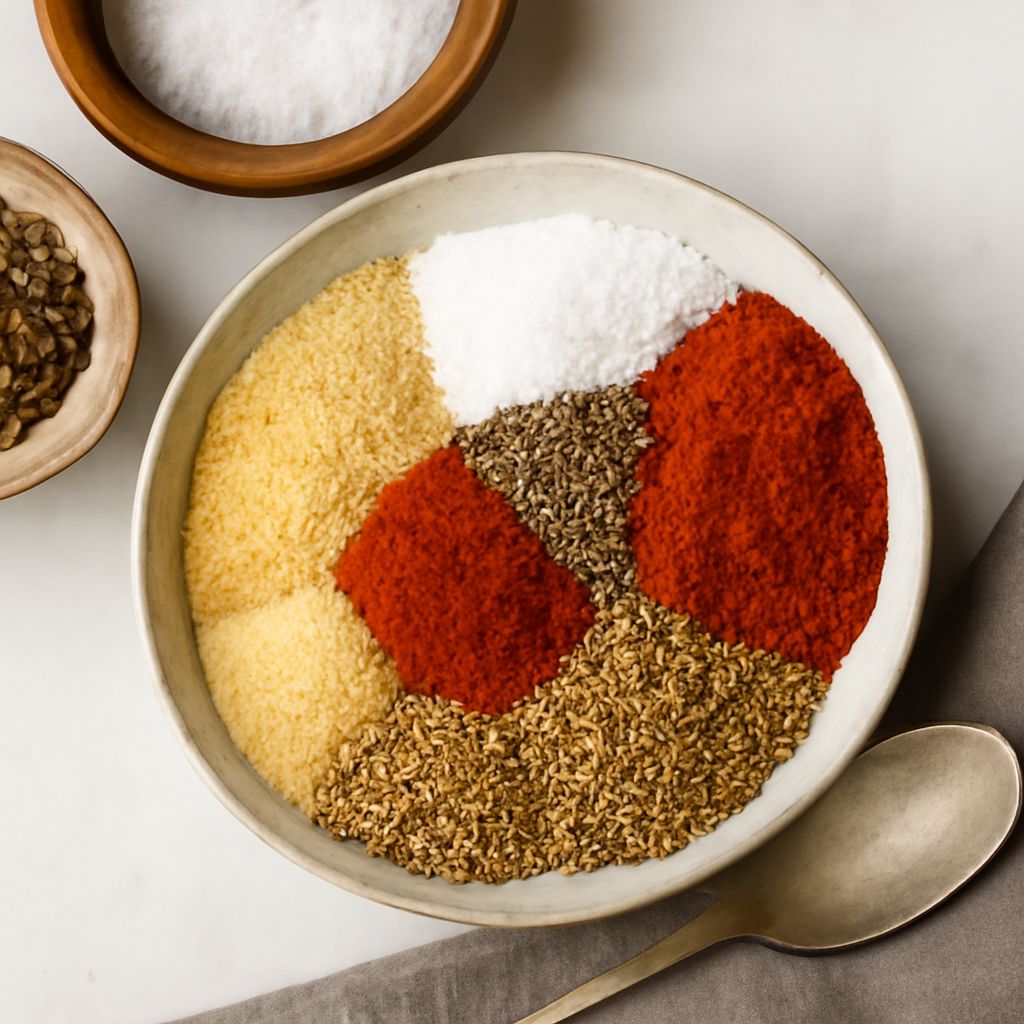
Cajun spice is a bold, vibrant seasoning blend rooted in Louisiana’s rich culinary heritage. Known for its signature balance of heat, savory notes, and earthy complexity, cajun spice is a kitchen staple for anyone who craves food with serious personality. Whether you’re working with store-bought cajun seasonings or crafting your own blend, understanding the distinctive flavor profile and ingredients will help you unlock authentic cajun flavor in your cooking. Here’s what cajun spice is, how it’s used, and tips to master its magic in your home kitchen.
What Is Cajun Spice?
Cajun spice is a regional seasoning blend that originated with the Acadian immigrants who settled in Louisiana. It’s designed to deliver a bold punch of flavor—spicy, savory, and just a bit smoky—while complementing a wide range of ingredients, from seafood and chicken to vegetables and grains. Unlike some single-note seasonings, cajun spice is not just about heat; it’s about building layers of flavor. The mix typically includes a combination of ground peppers, herbs, aromatics, and salt, resulting in a versatile blend you can use as a rub, seasoning, or finishing touch.
The versatility of cajun seasonings makes it a staple in southern cuisine, particularly in dishes like gumbo, jambalaya, blackened fish or chicken, and crawfish boils. You’ll find it sold under brands like Tony Chachere’s, Slap Ya Mama, and Zatarain’s, each with their own tweaks on the classic formula. While these commercial blends are convenient and flavorful, many home cooks and chefs prefer to mix their own, adjusting the heat and herbs to suit their palate.
What sets cajun spice apart from other regional blends is its unique marriage of French, African, and Native American influences—a direct reflection of Louisiana’s cultural melting pot. This seasoning isn’t just about making food spicy; it’s about creating bold, memorable dishes where flavor leads the way.
To appreciate cajun spice fully, it helps to know the core flavors it brings to the table and how it transforms ordinary ingredients into deeply satisfying meals.
The Classic Cajun Flavor Profile
The heart of cajun flavor lies in its balance of heat, depth, and aromatic earthiness. While the exact spice level can vary from mild to fiery, authentic cajun spice always delivers a multidimensional taste experience. The first note you’ll sense is usually a peppery warmth—black, white, or cayenne peppers are common in the blend. This is followed by savory undertones from garlic, onion, and celery seed, which form the aromatic foundation known as the “holy trinity” in cajun and Creole cooking.
Herbal tones are often provided by dried oregano, thyme, or basil, offering a fresh, slightly woodsy lift that balances the spiciness. Paprika, both sweet and smoked, adds color and a subtle, sweet-smoky finish. Salt ties everything together, enhancing the other flavors and adding a savory edge. The end result is a blend that’s bold but not overwhelming, complex but not fussy.
Cajun flavor is recognized for its versatility. When sprinkled over roasted potatoes, it turns an everyday side into a memorable, restaurant-worthy dish. On seafood, it brings out the natural sweetness while adding just the right amount of kick. In rice dishes like jambalaya, the layers of spice and herb create a satisfying depth that lingers on your palate.
Importantly, cajun spice is not a one-note burn. The blend is crafted so that the heat enhances, rather than overpowers, the main ingredients. This makes it suitable for people who appreciate full, round flavor profiles as much as those who like things spicy. As you incorporate cajun seasonings into your cooking, you’ll discover how this blend can elevate everyday meals with minimal effort.
Essential Ingredients in Cajun Seasonings
To create authentic cajun seasonings, you’ll need a carefully balanced combination of spices and herbs. While every cook and every brand has their own secret ratios, the backbone of any cajun spice blend usually includes these key ingredients:
- Paprika: Adds color and a mild sweetness. Smoked paprika can add a gentle smokiness, while regular paprika keeps things a bit milder.
- Cayenne Pepper: Delivers heat and a sharp kick. Adjust this to control the spiciness of your blend.
- Black Pepper & White Pepper: Both are common for layered, peppery warmth. White pepper adds a subtle earthiness and complexity.
- Garlic Powder: Essential for savory depth, garlic powder provides a mellow, aromatic base.
- Onion Powder: Adds sweet-savory notes and rounds out the aromatic character.
- Dried Oregano: Offers herbal brightness that balances the heat and adds a Mediterranean touch.
- Dried Thyme: Brings a woodsy, earthy quality that’s central to southern-style blends.
- Celery Seed: A classic ingredient in Louisiana cooking, celery seed adds a subtle bitterness and depth.
- Salt: Essential for pulling all the flavors together. Kosher salt is preferred for its clean, even flavor.
Some recipes might include additional herbs like basil, bay leaf, or parsley, or spices like mustard powder and cumin for further depth. A few blends add sugar to round out the heat, especially if they’re intended for barbecue or blackening. Commercial cajun spice blends may include anti-caking agents or MSG for extra savoriness, but these are not necessary for a homemade version.
If you’re looking to make your own cajun spice at home, here’s a basic recipe to get you started (yielding about half a cup):
- 3 tablespoons paprika
- 2 tablespoons garlic powder
- 1 tablespoon onion powder
- 1 tablespoon dried oregano
- 1 tablespoon dried thyme
- 1 tablespoon black pepper
- 2 teaspoons cayenne pepper (adjust to taste)
- 2 teaspoons salt
- 1 teaspoon white pepper
- 1 teaspoon celery seed
Mix all the ingredients together and store in an airtight container. You can adjust the cayenne or salt for your preferred spice level and sodium content. Homemade cajun seasoning is fresher, more customizable, and free of unnecessary additives.
Understanding what’s in cajun spice helps you modify the blend to match different dishes or dietary needs, and empowers you to experiment confidently across a range of cuisines.
How to Use Cajun Spice in Cooking
Cajun spice is one of the most versatile blends in your pantry, and there are countless ways to use it. Its bold, balanced flavors make it a natural fit for grilling, roasting, sautéing, and even braising. Here are some of the best ways to work cajun seasonings into your cooking routine:
- Dry Rub for Meats: Generously coat chicken, fish, shrimp, pork, or beef with cajun spice before grilling, pan-searing, or roasting. The spices form a flavorful crust that can stand up to high heat.
- Seasoning for Vegetables: Toss potatoes, corn, cauliflower, or green beans with olive oil and cajun spice before roasting. The blend transforms simple veggies into craveable sides.
- Flavor Booster for Soups and Stews: Add a tablespoon or two to gumbo, jambalaya, étouffée, or chili for a quick burst of southern flavor. The spice mix builds layers of taste without the need for multiple individual spices.
- In Rice and Pasta Dishes: Stir cajun seasoning into rice pilaf, dirty rice, or pasta Alfredo for easy cajun flair. It pairs well with creamy sauces and starches.
- Cajun Butter or Mayo: Mix the seasoning into softened butter or mayonnaise for a delicious spread for corn on the cob, sandwiches, or seafood boils.
- Blackened Cooking: Press cajun spice into fish or chicken fillets and cook in a hot cast-iron skillet until deeply browned. The spices caramelize, creating the classic blackened crust.
To avoid burning the spices, especially when using high heat, add cajun spice toward the end of cooking or as a finishing touch if you’re grilling or broiling. For the best flavor, marinate proteins with a mixture of cajun spice, oil, and a splash of lemon juice before cooking—this helps the flavors penetrate and keeps food juicy.
When using cajun spice in soups or stews, add it in stages. Start with a teaspoon, taste, and adjust as the flavors develop. Remember that the spice level can concentrate as the dish reduces, so it’s easier to add more later than to fix an overseasoned pot.
Don’t limit cajun seasoning to traditional southern dishes. Sprinkle it on popcorn, roasted nuts, fries, or even in salad dressings for a quick flavor upgrade. Once you get comfortable, you’ll find yourself reaching for cajun spices to add instant character to everyday meals.
Tips for Making and Storing Cajun Spice Blends
Making your own cajun spice blend is easy, affordable, and gives you full control over the flavor profile and heat level. Here are some tips to get the best results and keep your blend tasting fresh:
- Use the Freshest Ingredients: Spices lose their potency over time, so use freshly purchased ground spices or grind your own from whole seeds when possible. Fresh paprika and dried herbs make a noticeable difference in flavor.
- Customize the Heat and Herbs: Adjust the amount of cayenne to dial the spiciness up or down. You can add a touch of smoked paprika or extra thyme to personalize your blend. For a milder mix, reduce cayenne and black pepper, or omit white pepper.
- Mix Thoroughly: Use a whisk or shake the spices together in a jar to ensure even distribution. This prevents clumping and ensures every spoonful of your blend is balanced.
- Avoid Moisture: Store cajun spice in an airtight container away from heat and humidity. A glass jar with a tight lid works best. Exposure to moisture can cause caking and spoil the flavor.
- Label and Date: Mark your jar with the blend name and date. While the spices won’t spoil, they do lose flavor with time. Use your spice blend within six months for maximum potency.
- Scale as Needed: Double or triple the recipe if you use cajun spice frequently. It’s also easy to make small batches for special occasions or gifts.
If you want to keep your cajun spice blend free-flowing, add a few grains of uncooked rice to the bottom of the jar. This helps absorb moisture and keeps the spices loose. For gifting, transfer the blend to small glass jars, add a custom label, and include a recipe card for a personal touch.
Finally, experiment with your homemade cajun spice blend in unexpected ways. Use it as a rim for a Bloody Mary, mix it into hummus, or season roasted chickpeas. The possibilities are endless once you have a fresh, punchy batch of cajun seasonings on hand. By making your own and storing it well, you’ll always be ready to bring bold cajun flavor to your kitchen.