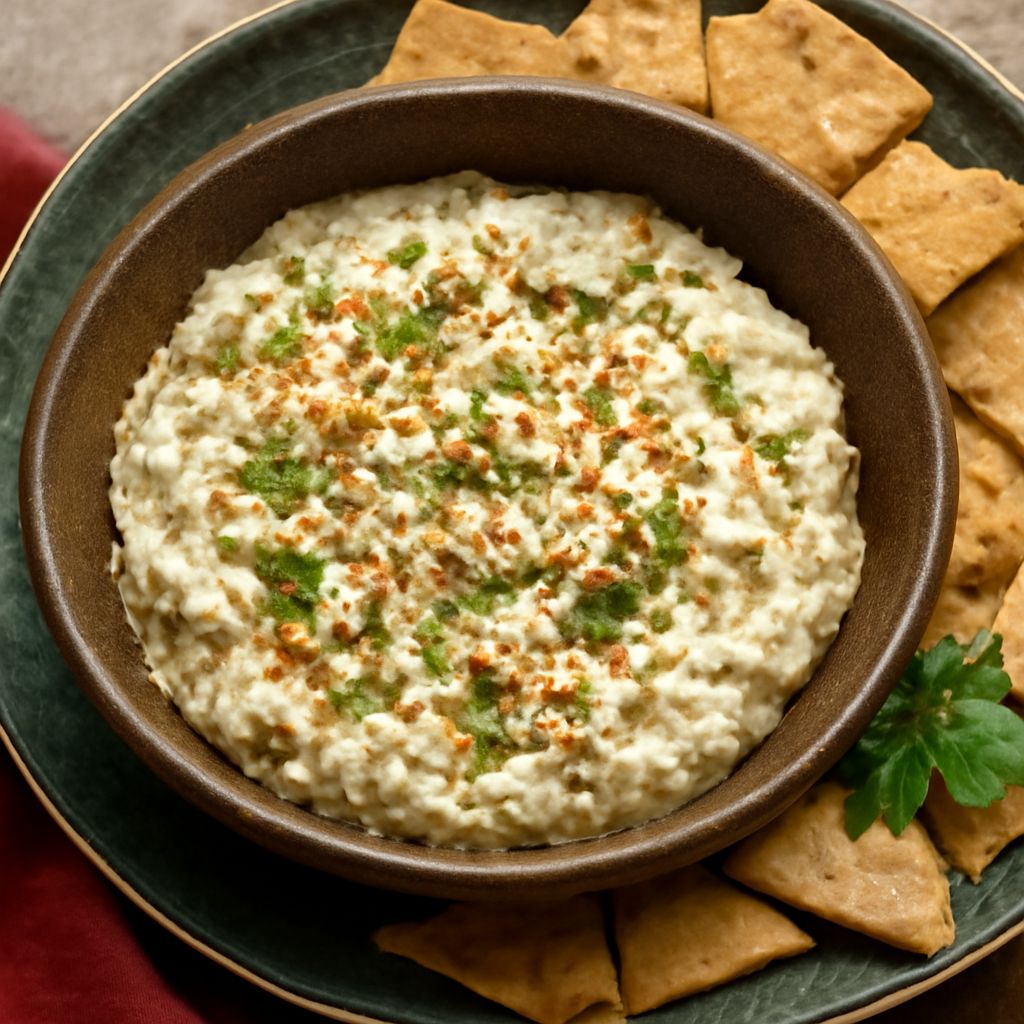
Baba ghanoush is a smoky, creamy eggplant dip beloved across the Middle East and beyond. With its luxurious texture and balance of earthy, tangy, and nutty flavors, this dish delivers a memorable appetizer or side. If you’ve wondered about the essential baba ganoush ingredients, how to make it at home, or the story behind its origins, you’re in the right place. Here, you’ll find everything you need to master classic baba ghanoush recipes, from step-by-step instructions to cultural insights and serving suggestions.
What Is Baba Ghanoush?
Baba ghanoush is a traditional Middle Eastern dip made primarily from roasted eggplant, tahini, lemon juice, garlic, and olive oil. Its signature flavor comes from the deep smokiness of the eggplant, which is most often charred or roasted until the flesh is velvety and infused with a subtle, earthy aroma. Unlike hummus, which uses chickpeas as its base, baba ghanoush celebrates the unique character of eggplant.
You’ll often encounter baba ghanoush served as part of a mezze platter, alongside dishes like hummus, tabbouleh, and falafel. It’s typically enjoyed with pita bread or fresh vegetables, making it a versatile dip or spread for gatherings and everyday meals alike. The dish strikes a balance between creamy, tangy, and slightly garlicky flavors, with tahini lending a rich, nutty undertone.
Across different regions, baba ghanoush may also be called “baba ganoush,” and you’ll find numerous subtle variations in texture, spice, and garnish. The essential characteristic, however, always remains: silky roasted eggplant, seasoned and blended to perfection. The dip is naturally vegan and gluten-free, which adds to its popularity among a wide audience.
If you’ve tasted baba ghanoush at a restaurant or family gathering, recreating it at home gives you full control over its flavor, consistency, and presentation. You can experiment with the classic recipe or try out regional twists for something uniquely your own.
Essential Baba Ghanoush Ingredients
The magic of baba ghanoush comes from a short list of key ingredients, each playing a vital role in the finished dip’s flavor and texture. Here are the essential baba ganoush ingredients you’ll need for a classic preparation:
- Eggplant: Large globe eggplants are typically used for their meaty flesh and mild flavor. Opt for firm, shiny eggplants without blemishes. The roasting or charring process is crucial, as it gives the dip its smoky depth.
- Tahini: This creamy paste made from ground sesame seeds is a defining element in baba ghanoush. It introduces a nutty richness and helps create the dip’s signature smoothness.
- Lemon Juice: Freshly squeezed lemon juice brightens the dip and balances the earthiness of the eggplant and tahini. It also helps cut through the richness for a lively, tangy kick.
- Garlic: Raw garlic lends a punchy, aromatic quality that elevates all the other flavors. The amount can be adjusted to taste, but a little goes a long way.
- Olive Oil: Good quality extra-virgin olive oil adds body, richness, and a fruity finish. It’s often used both in the mixture and as a final drizzle for garnish.
- Salt and Pepper: These simple seasonings enhance the natural flavors of the main ingredients. Some recipes may call for a dash of cumin or smoked paprika for extra depth, but these are optional.
While the basics remain consistent, you’ll find that baba ghanoush recipes sometimes include additional herbs or spices. Parsley is a popular garnish, and some cooks mix in chopped mint for a fresh twist. Pomegranate seeds or sumac can offer tartness and visual appeal, but they are not required for a classic version.
For the best flavor, use ripe, high-quality produce and freshly prepared tahini. Homemade tahini or small-batch brands often provide a more pronounced sesame flavor compared to mass-produced options. If you want to experiment, you might also try fire-roasting the eggplant over an open flame (such as a gas burner or grill) to intensify the smoky aroma.
Finally, be mindful of the texture. Baba ghanoush should be creamy, but not runny or overly oily. The proportion of tahini, lemon juice, and olive oil can be adjusted to suit your taste and the natural moisture content of your eggplants.
Classic Baba Ghanoush Recipe
If you want to make baba ghanoush at home, follow this detailed guide for a traditional result with exceptional flavor and texture. This recipe yields about 2 cups, enough for 4-6 servings as a dip or appetizer.
- 2 large globe eggplants (about 2 1/2 pounds total)
- 1/4 cup tahini, well-stirred
- 2-3 tablespoons freshly squeezed lemon juice (to taste)
- 2 cloves garlic, finely minced
- 3 tablespoons extra-virgin olive oil, plus more for garnish
- 3/4 teaspoon kosher salt, plus more to taste
- 1/4 teaspoon freshly ground black pepper
- Optional garnishes: chopped parsley, sumac, pomegranate seeds, smoked paprika
- Roast the eggplants: Preheat your oven to 450°F, or heat a grill to high. Prick the eggplants all over with a fork. Place them directly on a baking sheet or over the flames of a grill. Roast, turning occasionally, until the skins are charred and the eggplants are completely soft and collapsed, about 35-45 minutes in the oven or 20-30 minutes on the grill.
- Cool and drain: Transfer the roasted eggplants to a colander set over a bowl. Let them cool for 15-20 minutes. Once cool enough to handle, peel off the charred skins and discard any overly seedy or fibrous sections. Place the flesh in the colander to drain for 10-15 minutes, pressing gently to remove excess liquid. This step prevents the dip from becoming watery.
- Mash or blend: Transfer the drained eggplant flesh to a mixing bowl. Use a fork or potato masher to break it down into a coarse mash for a traditional, rustic texture. For a smoother consistency, pulse briefly in a food processor. Avoid over-processing; you want some texture left.
- Combine and season: Add tahini, lemon juice, garlic, olive oil, salt, and pepper to the eggplant. Stir thoroughly to combine. Taste and adjust the seasoning, adding more lemon juice, salt, or tahini as needed to achieve your preferred balance of tanginess and richness.
- Serve and garnish: Transfer baba ghanoush to a shallow bowl. Use the back of a spoon to swirl the surface, then drizzle with a little more olive oil. Garnish with parsley, a sprinkle of sumac, or pomegranate seeds if desired. Serve at room temperature with warm pita, toasted bread, or raw veggies.
Classic baba ghanoush should be creamy but retain some texture, with a pronounced smoky flavor and a subtle balance of tartness and nuttiness. If you prefer a lighter garlic profile, use roasted garlic instead of raw. The dip will keep in an airtight container in the refrigerator for up to four days. Flavors deepen as it rests, making it an excellent make-ahead option for parties and meals throughout the week.
For a more intense smokiness, try roasting the eggplant directly over a gas flame or on a charcoal grill. Some cooks also add a pinch of ground cumin or smoked paprika for complexity. While traditional recipes keep the ingredient list simple, you can personalize your baba ganoush with roasted red peppers, chopped herbs, or even a dash of hot sauce for extra heat.
Baba Ghanoush Origin and Cultural Significance
The origin of baba ghanoush traces back to the Levantine region, which encompasses modern-day Lebanon, Syria, Palestine, Jordan, and surrounding areas. While the exact birthplace is debated, most food historians agree that baba ghanoush originated in the Eastern Mediterranean, where eggplants have been a staple since their introduction from South Asia centuries ago.
The name “baba ghanoush” itself carries meaning: “baba” is an affectionate word for “father,” while “ghanoush” suggests something pampered or indulged. Some stories claim the dish was created for a beloved elder, while others see it as a poetic reference to the dip’s rich, soothing qualities. Regardless of legend, baba ghanoush has become an essential part of Levantine cuisine and hospitality.
Across the Middle East, you’ll find regional variations in the recipe and its presentation. In Lebanon and Syria, baba ghanoush is sometimes made with yogurt for a creamier texture, or with additional pomegranate molasses for sweetness. In Israel, it’s often called “salat hatzilim” and may feature mayonnaise or chopped vegetables. In Turkey, a similar spread known as “patlıcan salatası” is prepared with grilled eggplant, olive oil, lemon, and garlic.
The cultural significance of baba ghanoush goes beyond its flavors—it’s a symbol of communal eating and generosity. Whether part of a formal mezze or a casual family meal, baba ghanoush invites sharing and conversation. The dish’s enduring appeal lies in its simple ingredients, complex flavor profile, and the sense of tradition it brings to the table.
Baba ghanoush recipes have traveled the world with migration and diaspora communities, adapting to local tastes and available ingredients. Today, you can find the dip in Mediterranean restaurants, Middle Eastern grocery stores, and on home tables around the globe. Each preparation is a tribute to its origin, while also reflecting the creativity and preferences of individual cooks.
Tips for Serving and Variations
Baba ghanoush’s versatility makes it ideal for a wide range of serving options, from casual snacks to festive spreads. Here are practical tips and creative ideas to make it your own:
- Mezze platter: Serve baba ghanoush alongside other Middle Eastern favorites like hummus, muhammara (red pepper and walnut dip), dolmas, tabbouleh, and olives. Arrange with fresh vegetables—cucumber, carrots, radishes, cherry tomatoes—or warm pita wedges for dipping.
- Sandwich spread: Use baba ghanoush instead of mayonnaise or mustard on sandwiches, wraps, or burgers. It pairs especially well with grilled chicken, roasted vegetables, or falafel.
- Grain bowls: Add a scoop to a bowl of cooked quinoa, bulgur, or brown rice, topped with roasted vegetables and a handful of herbs for a nourishing lunch or dinner.
- Appetizer bites: Spoon onto crostini or mini toasts, then top with roasted cherry tomatoes, pickled onions, or crumbled feta for an elegant starter.
If you want to experiment with baba ghanoush recipes, consider these variations and additions:
- Roasted red pepper: Blend a small roasted red pepper into the eggplant mixture for color and sweetness.
- Yogurt: Stir in a couple of tablespoons of plain Greek yogurt for a lighter, tangier dip.
- Herbs: Mix in chopped fresh mint, cilantro, or dill for a burst of freshness.
- Spices: Add ground cumin, smoked paprika, or cayenne for warmth and heat.
- Nutty crunch: Sprinkle with toasted pine nuts, sesame seeds, or walnuts before serving for added texture.
For a colorful presentation, garnish baba ghanoush with pomegranate seeds, a drizzle of pomegranate molasses, or a dusting of sumac. Serve it at room temperature for the fullest flavor, and store any leftovers in a tightly sealed container in the fridge. Baba ghanoush is an ideal make-ahead dish, as the flavors deepen and improve with time. Whether you stick to tradition or create your own spin, this classic eggplant dip is always a crowd-pleaser.