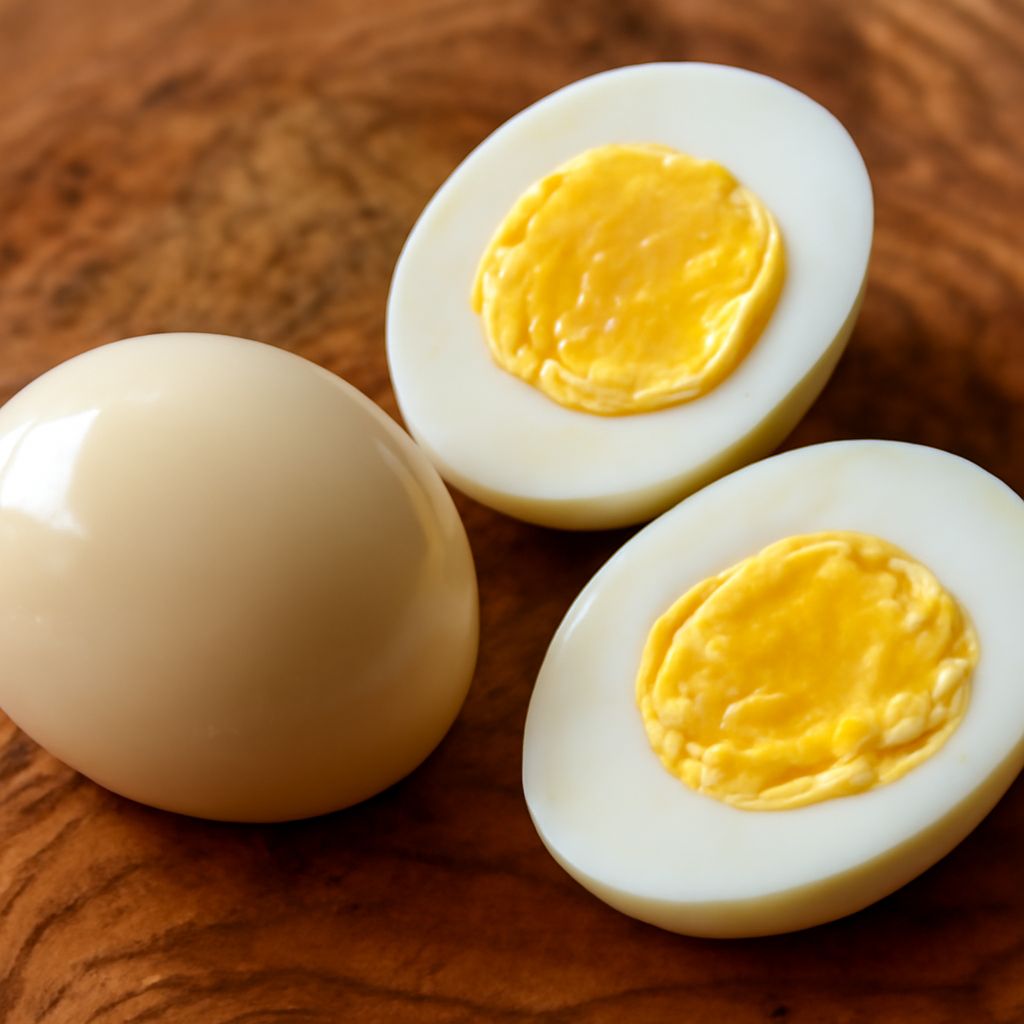
Ajitama eggs are a must-have topping for ramen, known for their creamy, custard-like yolks and rich, umami flavor. These Japanese soft-boiled seasoned eggs transform a simple bowl of noodles into a deeply satisfying meal, delivering a savory punch with every bite. Whether you call them ajitama, ajitsuke tamago, or simply ramen eggs, making them at home is remarkably accessible and unlocks a world of delicious possibilities.
What Is an Ajitama Egg?
An ajitama egg is a Japanese soft-boiled egg marinated in a savory-sweet mixture of soy sauce, mirin, and seasonings. The term “ajitama” is short for ajitsuke tamago, which directly translates to “seasoned egg” in Japanese. The defining feature of these eggs is their runny yet set yolk—soft but no longer liquid—and the deep umami flavor absorbed from the marinade.
Unlike hard-boiled eggs, ajitama eggs are cooked just enough for the whites to become tender while the yolks remain creamy. After cooking, they are cooled, peeled, and steeped in a marinade that infuses them with layers of taste. The result is a multidimensional bite: salty, sweet, and packed with savory depth.
You’ll most often encounter ajitama eggs as a topping for bowls of ramen, though they also make excellent snacks, additions to rice bowls, or flavorful protein bites on their own. Their signature brownish exterior and vibrant, glistening yolk make them visually appealing and immediately recognizable in Japanese cuisine.
For many ramen aficionados, the perfect ajitama egg is a hallmark of a high-quality ramen experience. The balance of soft yolk, tender white, and seasoned flavor reflects the chef’s skill and attention to detail.
The Cultural Significance of Japanese Soft-Boiled Eggs
Japanese soft-boiled eggs have a deeper cultural resonance than their status as a ramen accompaniment might suggest. In Japanese culinary tradition, technique and subtlety are prized, and the ajitama egg exemplifies both. The precise timing needed to achieve the ideal yolk texture is a point of pride among chefs and home cooks alike. It is not uncommon for ramen shops in Japan to distinguish themselves by their signature seasoned eggs, with customers comparing texture, flavor, and marinade balance across restaurants.
The japanese soft boiled egg isn’t reserved solely for ramen. It appears in bento lunches, izakaya (Japanese pubs), and home-cooked meals. The seasoned egg is both a humble comfort food and a demonstration of culinary finesse. It also serves as a bridge between traditional Japanese cuisine and modern food culture, often featured in fusion dishes and creative presentations worldwide.
Ajitama eggs represent the Japanese appreciation for harmony—balancing savory, sweet, umami, and subtle aromatics in a single bite. They are often enjoyed during celebrations or special occasions and have become a beloved comfort food for people of all ages. Their popularity outside Japan reflects their universal appeal and the way they enhance dishes far beyond their origins.
The process of making a seasoned egg at home has become a rite of passage for many ramen lovers and aspiring cooks. It captures the Japanese spirit of attention to detail and the value of mastering simple, foundational techniques in the kitchen. For many, the perfect ajitama egg is the difference between a good bowl of ramen and a truly memorable one.
Ingredients Needed for Seasoned Eggs
To prepare authentic seasoned egg (ajitama) at home, you only need a handful of ingredients, but their quality and ratios make a noticeable difference. Below are the standard ingredients and their recommended proportions for a batch of 4-6 eggs.
- Large Eggs: 4 to 6, fresh and preferably at room temperature for even cooking.
- Soy Sauce: 1/2 cup (Japanese shoyu is preferred for its balanced flavor).
- Mirin: 1/2 cup (a sweet rice wine, available at most Asian grocery stores).
- Sake: 1/4 cup (optional but adds depth; can be omitted or replaced with a splash of water).
- Sugar: 1-2 tablespoons (adjust to taste; use less if you prefer a more savory marinade).
- Water: 1/2 cup (dilutes the marinade to keep flavors balanced).
- Aromatics (optional): Thin slices of garlic, ginger, scallion greens, or a piece of kombu can be added for extra dimension.
These ingredients create a marinade that is both savory and sweet, highlighting the umami of the soy sauce and the gentle sweetness of mirin. You can adjust the ratios to suit your taste—a touch more soy for saltiness, more mirin for sweetness, or additional aromatics for complexity.
If you want to add a creative twist, consider infusing the marinade with chili flakes for heat, star anise for a hint of warmth, or even a splash of rice vinegar for acidity. However, the classic combination is timeless and universally loved.
For the eggs themselves, freshness matters. Very fresh eggs can be harder to peel, but their flavor and texture are superior. If possible, use eggs that are about a week old for easier peeling without compromising taste. Always use room temperature eggs to ensure even cooking and minimize cracking when they hit the boiling water.
Step-by-Step Guide to Making Ajitama Eggs at Home
Creating restaurant-quality ajitama eggs in your own kitchen is easier than you might expect. Follow these detailed steps for perfect seasoned eggs every time:
-
Prepare the Marinade
- Combine 1/2 cup soy sauce, 1/2 cup mirin, 1/4 cup sake (if using), 1-2 tablespoons sugar, and 1/2 cup water in a small saucepan.
- Bring to a gentle simmer over medium heat, stirring to dissolve the sugar. If using aromatics (ginger, garlic, scallion, or kombu), add them now.
- Simmer for 1-2 minutes, then remove from heat. Let the marinade cool to room temperature.
-
Boil the Eggs
- Bring a pot of water to a rolling boil. Gently lower 4-6 large eggs (at room temperature) into the water using a slotted spoon.
- Immediately set a timer: 6 to 6½ minutes yields custardy, runny yolks; 7 minutes is slightly firmer but still soft. For the classic ajitama texture, aim for 6½ minutes.
- Stir gently for the first minute to center the yolks, then let the eggs cook undisturbed.
-
Cool and Peel
- After the timer sounds, transfer the eggs to an ice water bath to stop the cooking process. Chill for at least 5 minutes, or until completely cooled.
- Tap each egg gently on the counter and peel under running water. If the shells are stubborn, peel from the wider end; the air pocket there makes the process easier.
-
Marinate the Eggs
- Place the peeled eggs in a zip-top bag or shallow container. Pour the cooled marinade over the eggs until they are fully submerged. If necessary, cover the eggs with a small plate or kitchen towel to keep them underwater.
- Seal and refrigerate for at least 4 hours, but ideally 8-12 hours for maximum flavor. The longer the eggs marinate, the more pronounced the color and taste. Do not exceed 24 hours, as the whites can become overly salty and rubbery.
-
Serve or Store
- Remove the eggs from the marinade. Slice in half lengthwise with a sharp knife to reveal the glistening yolk.
- Serve immediately as a ramen topping, snack, or side. Leftover eggs can be stored in the fridge (without the marinade) for up to three days.
Key success cues: The perfect ajitama egg will have a soy-brown exterior, fully set but tender whites, and a yolk that ranges from thick and jammy to just barely runny. If the yolks are too runny or the whites too soft, increase cooking time by 30 seconds next batch. Overcooked eggs will have firm yolks and less vibrant flavor, but are still delicious when well-marinated.
Failure cues: Eggs with overcooked, chalky yolks or rubbery whites have been boiled too long. If the marinade flavor is overpowering or too salty, reduce marinating time or dilute the marinade further. Eggs with uneven color or flavor usually haven’t marinated long enough or were not fully submerged.
Serving Suggestions and Popular Variations
Ajitama eggs shine as a classic ramen topper, but their applications go far beyond noodle soups. Here’s how you can enjoy and experiment with your seasoned eggs:
- Ramen Topping: The most iconic use. Add a halved or whole ajitama egg to any bowl of ramen—shoyu, miso, tonkotsu, or even vegetarian broths—for richness and flavor.
- Rice Bowls: Slice and layer over steamed rice, accompanied by sautéed greens, pickles, or grilled meats for a comforting donburi-style meal.
- Bento Boxes: Ajitama eggs make excellent additions to bento lunches, adding protein and umami depth to any arrangement of rice, vegetables, and meat or tofu.
- Snacks and Appetizers: Serve halved seasoned eggs with a sprinkle of togarashi (Japanese chili pepper) or sesame seeds as a quick snack or izakaya-inspired appetizer.
- Fusion Creations: Top toast with sliced ajitama eggs and avocado, add to salads, or serve on grain bowls for a creative, East-meets-West twist.
Popular variations include:
- Extra-Rich Marinade: Some chefs double the mirin or add extra sugar for a sweeter, glossier egg, especially for shoyu-style ramen.
- Chili-Infused Eggs: Add chili oil, shichimi togarashi, or a splash of sriracha to the marinade for spicy seasoned eggs.
- Smoked Ajitama: Briefly smoke the peeled eggs before marinating for a subtle smoky undertone—a favorite at some modern ramen shops.
- Herb-Infused: Add fresh herbs like shiso or cilantro to the marinade for a refreshing, aromatic twist.
- Tea-Stained Eggs: Incorporate black tea or green tea into the marinade for added fragrance and a delicate, earthy flavor.
Feel free to experiment and customize your ajitama eggs to match your favorite dishes and personal taste. Whether you keep things classic or venture into new flavor territory, a perfectly made Japanese soft-boiled seasoned egg is an unforgettable addition to any meal.