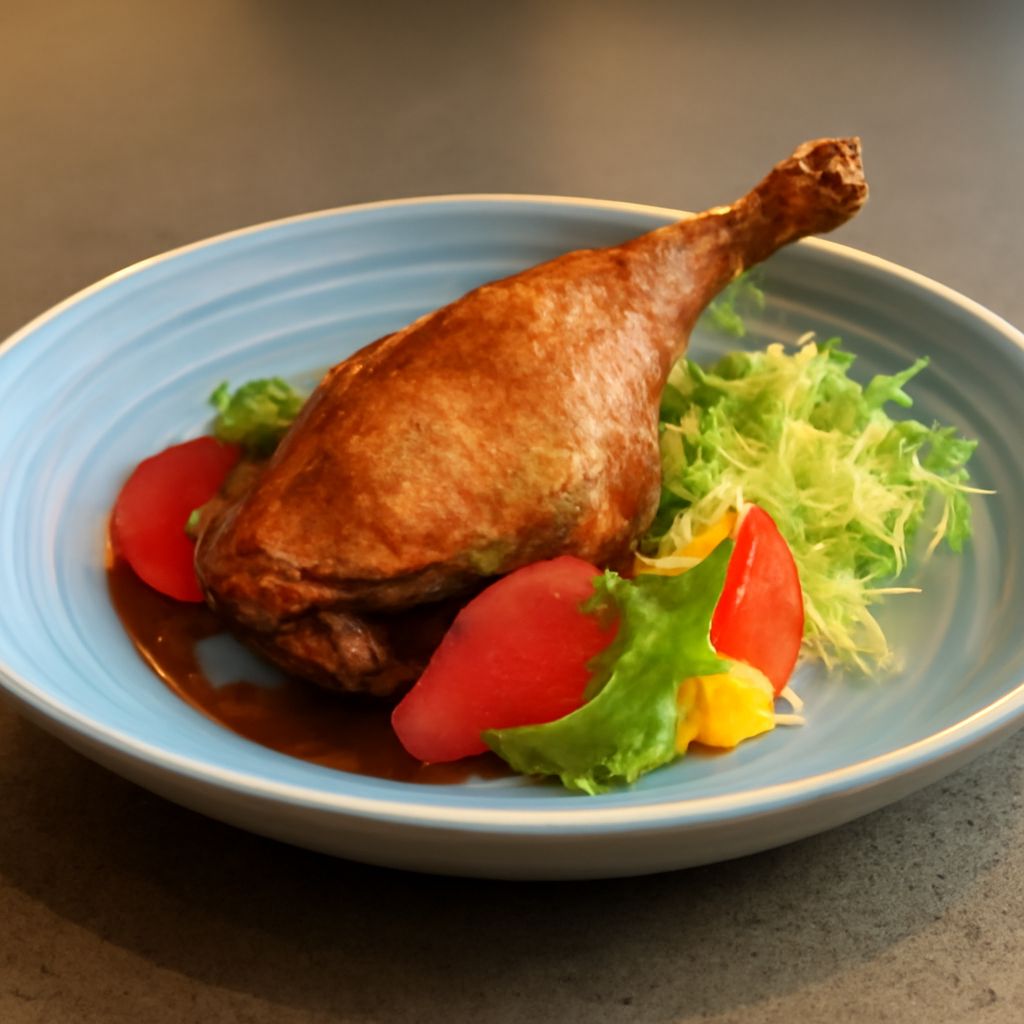
Confit is a slow-cooking method that keeps food tender, rich, and deeply flavored. In classic French cooking, you cook meat, garlic, or vegetables gently in fat or oil at a low temperature until they turn silky and fully tender. If you are asking what is a confit, the short answer is this: it is both the method and, often, the finished food.
The most common version is duck confit, but confit cooking also works for garlic, shallots, tomatoes, fennel, salmon, and other ingredients that benefit from gentle heat. Use the method below when you want a practical, reliable confit food result at home.
Confit Ingredients and Preparation
For a basic duck confit, you need enough fat to fully cover the meat, salt for curing, and aromatics for flavor. For garlic or vegetables, you use oil instead of animal fat. The exact ingredient list changes with the food, but the method stays the same: season, cover with fat, cook low and slow, then store or finish as needed.
For duck confit, serves 4:
- 4 duck legs, skin on
- 2 tablespoons kosher salt
- 1 teaspoon black pepper
- 4 garlic cloves, smashed
- 4 thyme sprigs
- 2 bay leaves
- 3 to 4 cups duck fat, enough to cover the legs
For garlic confit:
- 2 cups peeled garlic cloves
- 1 1/2 to 2 cups olive oil
- Optional: thyme, rosemary, peppercorns, or a strip of lemon peel
For vegetable confit:
- 2 to 3 pounds vegetables such as fennel, tomatoes, onions, or shallots
- Enough olive oil, duck fat, or a neutral oil to mostly cover the food
- Salt
- Optional aromatics: garlic, herbs, citrus peel, spices
Before you start, dry the food well. Moisture can interfere with even cooking and shorten storage life. If you are making duck confit, salt the legs with pepper and herbs, then chill them uncovered or lightly covered for 12 to 24 hours. This cure seasons the meat and helps the texture turn supple.
For garlic confit, peel the cloves and make sure they are clean and dry. For vegetables, cut them into even pieces so they cook at the same rate. The goal is simple: every piece should be close in size and fully submerged or nearly submerged in fat.
Make Confit
The core of confit cooking is low heat. You are not frying or roasting aggressively. You are cooking gently until the food becomes tender without browning too fast or drying out.
- Preheat the oven to 200 to 250 F. A lower oven gives you more control. You want a very slow, steady cook.
- Arrange the food in a baking dish, Dutch oven, or small pot. Put duck legs skin side up or place vegetables in a single layer when possible. Add garlic, herbs, and seasonings.
- Pour in the fat or oil. The food should be fully covered for duck confit. For garlic or vegetables, the oil should cover them or come close enough that the top pieces stay moist.
- Cook slowly until tender. Duck confit usually takes 2 1/2 to 4 hours. Garlic confit usually takes 45 to 90 minutes. Vegetable confit can take 45 minutes to 2 1/2 hours depending on size and density.
- Check for doneness with a fork. The food should be soft and yielding. Duck meat should pull away from the bone with little resistance. Garlic should turn pale gold and mash easily between your fingers. Vegetables should be silky and tender, not raw in the center.
- Let it cool in the fat. This helps the texture settle and, for meat, helps preserve it if you plan to store it.
Watch the heat carefully. If the fat bubbles hard or the oil smokes, the oven is too hot. Lower the temperature right away. Confit should move with tiny bubbles at most. Strong sizzling usually means you are cooking too fast and risking dry edges or bitter flavor.
For duck confit, a classic success cue is skin that looks rendered and meat that feels loose at the joint. A failure cue is stiff meat or dark, hard edges before the inside is tender. If that happens, cover the dish and keep cooking at a lower temperature.
For garlic confit, the cloves should stay pale blond or light golden. Deep browning means the oil was too hot. Bitter garlic usually comes from overheating, so pull it as soon as the cloves are soft and aromatic.
For vegetables, the ideal texture is soft but intact. If the pieces fall apart before they taste fully cooked, the heat was too high or the pieces were cut too small. If they stay firm after the expected time, give them more time and check every 15 minutes.
Serve, Store, or Vary Confit
Serve confit in a way that adds contrast. The food itself is rich and tender, so crisp or bright sides make it better.
Duck confit is best when you crisp the skin before serving. Remove the legs from the fat, wipe off excess, and place them skin side down in a skillet over medium heat or under a broiler for 5 to 8 minutes, just until the skin turns crisp. Serve with roasted potatoes, lentils, bitter greens, or a sharp salad.
Garlic confit can be spread on toast, stirred into mashed potatoes, whisked into vinaigrette, or mashed into sauces. The oil also becomes flavored cooking oil. Use it for vegetables, beans, or pan sauces.
Vegetable confit works well warm or at room temperature with crusty bread, grilled fish, poultry, pasta, or grains. Spoon some of the cooking fat or oil over the top for extra flavor.
Storage matters. If you cooked duck confit and want to keep it, leave the legs covered in fat, cool completely, then refrigerate. Properly chilled confit can keep for about 1 to 2 weeks in the refrigerator, and longer if you freeze it airtight. Reheat gently, then crisp the skin before serving.
Garlic confit and garlic oil need careful handling. Store them in the refrigerator and use them within 1 week unless your local food-safety guidance says otherwise. Keep the cloves submerged in oil and use a clean spoon each time.
You can vary confit in several useful ways:
- Duck, goose, or chicken confit: Use the same salt cure and low-fat cooking method. Chicken thighs finish faster than duck legs.
- Garlic confit: Keep the heat especially low and stop when the cloves are soft, not brown.
- Tomato confit: Halve tomatoes, season them, cover with olive oil, and cook until wrinkled and jammy.
- Shallot or onion confit: Cook slowly until sweet, soft, and lightly caramelized.
- Fish confit: Use a very low oven and shorter time so the flesh stays delicate and does not break apart.
If you want a simple rule for any confit recipe, keep two things true: the food must be gently cooked, and the fat or oil must protect it from drying out. When the texture turns tender without browning too much, you have made proper confit.