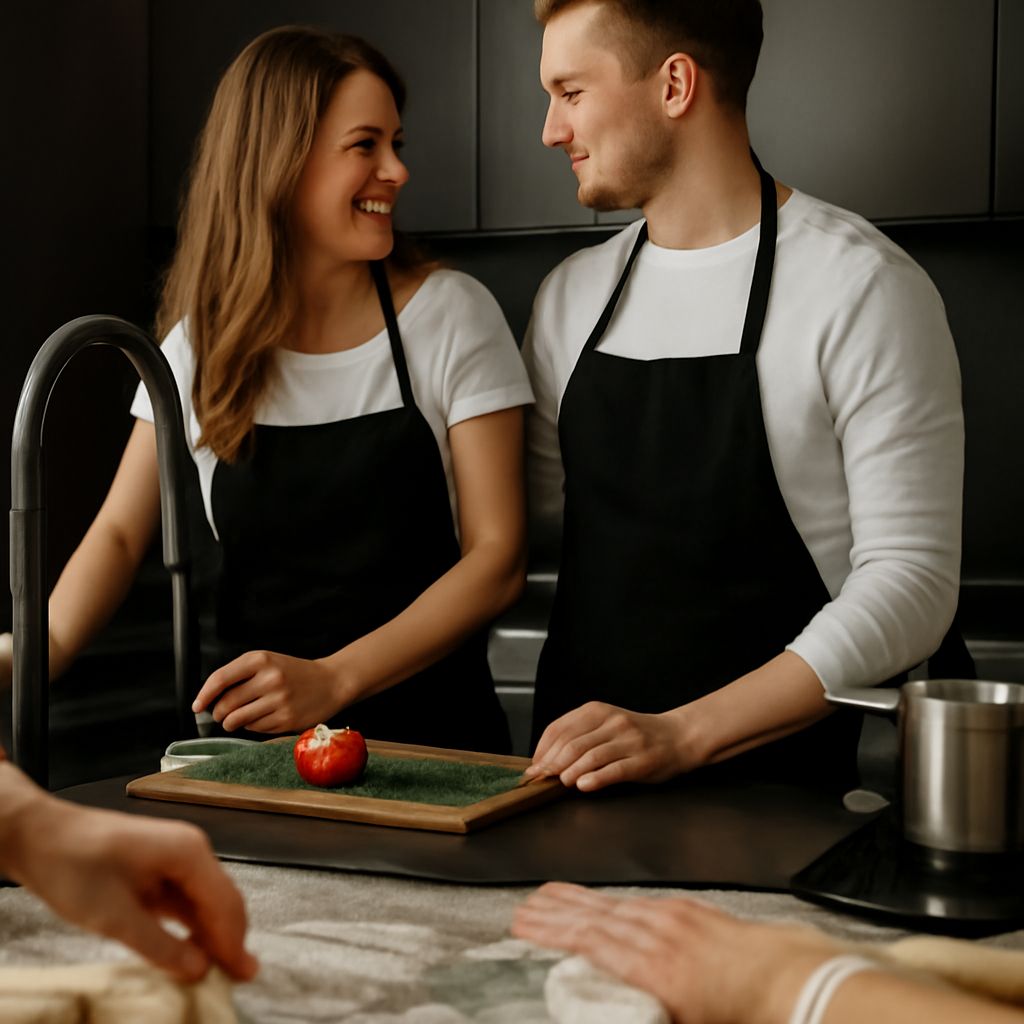
A cooking class for couples is a shared, hands-on way to build kitchen confidence while making a meal together. The best version keeps the focus on communication, simple prep techniques, and a finished dish you can actually reproduce later.
If you want the experience to feel fun instead of stressful, think of it as a guided cooking session for two: you divide tasks, learn a few core skills, and practice timing, seasoning, and cleanup as a team. That makes it useful whether you are cooking at home or following a provider-neutral lesson plan.
What To Know About a Cooking Class for Couples
A cooking class for couples works best when you treat it as skill-building, not performance. You are there to practice culinary basics such as knife work, measuring, sautéing, simmering, and seasoning. The point is to leave with habits you can repeat in your own kitchen.
Start by choosing a dish or menu that matches your current comfort level. If you are new to cooking together, pick recipes with short ingredient lists and clear steps, like fresh pasta, stir-fry, tacos, roasted chicken and vegetables, or a simple dessert. If you already cook regularly, choose a menu that adds one new technique, such as emulsifying a sauce or working with yeast.
A good couples cooking class also helps you divide roles clearly. One person can handle chopping while the other preps sauces, sets out ingredients, or manages heat. Swapping roles during the process helps both of you learn the full method and prevents one person from doing all the work.
For many people, the real value is food literacy. You learn why a recipe works, not just how to follow it. That includes reading labels, understanding cooking terms, recognizing doneness, and adjusting salt, acid, fat, and texture with more confidence.
Practical Steps for a Better Couples Cooking Experience
Begin with mise en place: wash, chop, measure, and group ingredients before you turn on the stove. This lowers stress and helps both of you stay organized. It also makes timing easier, which matters when a sauce, pasta, and vegetable all need attention at once.
Next, agree on a plan for communication. Use short, direct cues like “I’m slicing now,” “The pan is hot,” or “Can you stir?” In the kitchen, clear language prevents collisions and missed steps. If one of you prefers structure, let that person read the recipe aloud while the other executes the tasks.
Keep the menu balanced with one or two focus skills. For example:
- Knife skills and knife safety
- Pan cooking and heat control
- Seasoning and tasting as you go
- Basic sauce-making
- Plating and timing the final dish
Use a small workspace on purpose. Crowded counters create avoidable mistakes, so clear the area before you begin. Set out bowls for scraps, a towel for hot pans, and separate utensils if both people are cooking at once.
To keep the experience enjoyable, build in a few low-pressure choices. You might pick the spice level, choose a garnish, or decide who handles the final taste test. These small decisions make the session feel collaborative without turning it into a competition.
If you want the lesson to stick, end with a quick review. Ask what felt easy, what felt awkward, and what you would do differently next time. That kind of reflection turns a one-time activity into repeatable kitchen practice.
Common Variations: Date Night, At-Home, and Family Cooking Classes
A date-night style session usually emphasizes shared enjoyment and a finished meal. The recipe can be simple, but the pace should leave room for conversation, tasting, and a relaxed cleanup. It is ideal if you want a mix of food culture and quality time.
An at-home cooking class for couples is more flexible. You can use a cookbook, a video lesson, or a written recipe and turn your kitchen into the workspace. This format is especially useful when you want to focus on prep techniques and avoid the noise of a large group setting.
Some people also choose a family cooking class format when they want to cook with children or another household member. In that case, keep tasks age-appropriate and low-risk. Let younger helpers wash produce, stir cold ingredients, or arrange toppings while adults handle sharp tools and heat.
You may also encounter cuisine-specific lessons, such as Italian, Thai, Mexican, or baking-focused sessions. Treat those as opportunities to learn culinary vocabulary and core methods from that cuisine. For example, a pasta session can teach dough handling and sauce balance, while a stir-fry lesson can improve your sense of heat control and ingredient prep.
Mistakes To Avoid When Planning a Cooking Class Date
The most common mistake is choosing a recipe that is too ambitious. Multi-component dishes with long marinades, complex timing, or unfamiliar techniques can create frustration. For your first few sessions, keep the workflow simple and success likely.
Another mistake is skipping prep. If ingredients are not measured, chopped, and organized before cooking starts, one person usually gets stuck doing catch-up work. That slows the process and makes the experience feel more like labor than collaboration.
Do not assume you will have identical skill levels. One person may be more comfortable with the stove while the other is better at planning and measuring. Use those differences to divide tasks, then switch roles so both of you learn.
Avoid overcomplicating the menu with too many side dishes or decorations. You do not need a restaurant-style presentation to have a good meal. Focus on taste, timing, and a clear finish.
Finally, do not ignore cleanup. A smooth end matters as much as the cooking itself. Build cleanup into the plan by soaking pans, scraping plates, and wiping surfaces as you go. When the kitchen is reset, you can enjoy the meal and remember the process for next time.