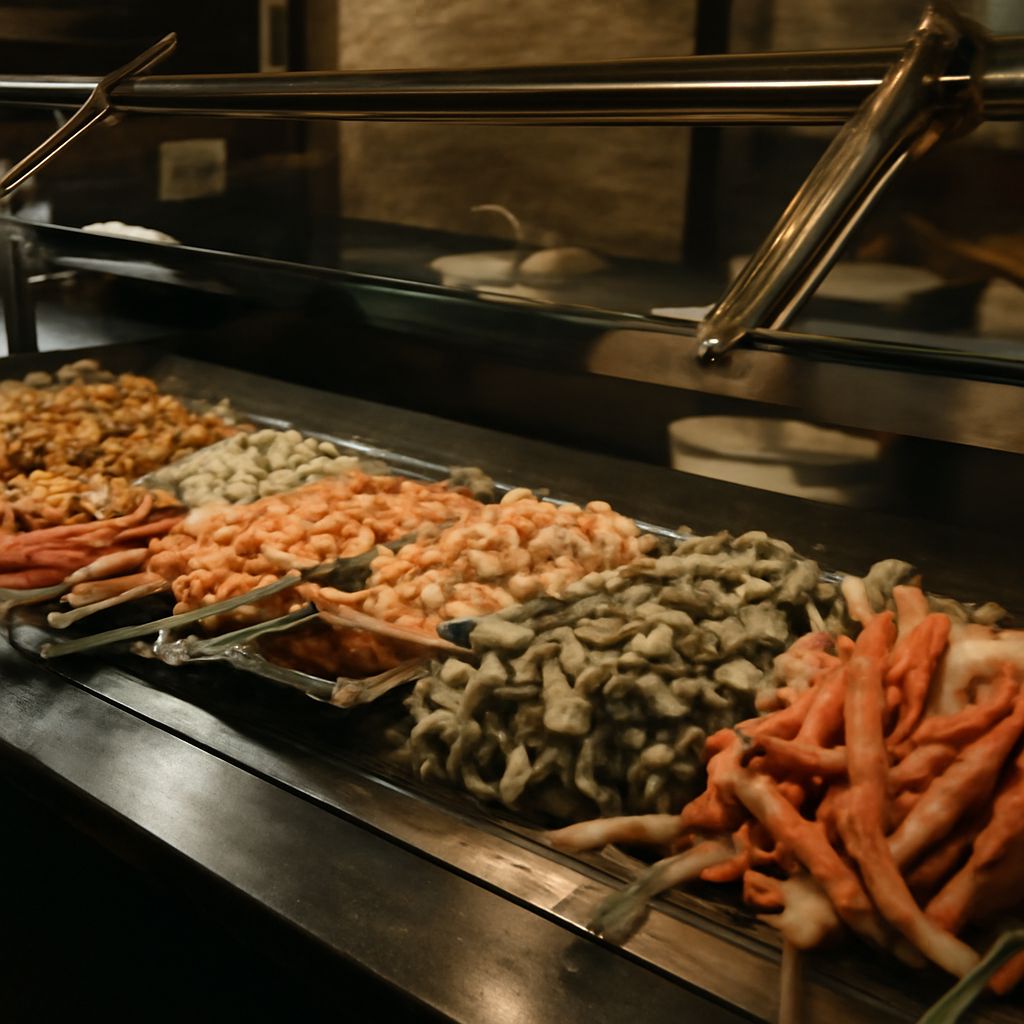
A sushi buffet gives you a chance to sample a wide range of rolls, nigiri, sides, and seafood in one meal. If you want to know what it includes, how to approach the trays, and how to eat with confidence, the basics are simple: start with fresh items, take small portions, and pay attention to balance, texture, and pace.
This guide explains what a sushi buffet is, how to move through it smartly, which styles you may see, and the etiquette that helps you make better choices. You do not need expert knowledge to enjoy it well; you just need a few practical habits and a little vocabulary.
What a Sushi Buffet Is
A sushi buffet is a self-serve or station-based dining setup that offers multiple sushi options at once. You may see maki rolls, nigiri, hand rolls, sashimi-style cuts, seaweed salad, pickled ginger, miso soup, and hot items that pair well with Japanese-inspired meals. The idea is variety: you can try different flavors, textures, and fillings without ordering one plate at a time.
In dining terms, sushi refers to seasoned rice paired with seafood, vegetables, or other fillings. That means not every item at a sushi buffet is raw fish. Some pieces feature cooked shrimp, crab-style fillings, egg omelet, avocado, cucumber, or tempura-style components. Understanding that mix helps you choose more comfortably and avoid assuming every tray is the same.
How to Eat Sushi at a Buffet
Start by scanning the full spread before you fill your plate. Look for items that appear recently refreshed, with neat cuts, chilled surfaces, and clean presentation. Choose smaller portions first so you can taste several styles without overloading your plate or wasting food.
Begin with lighter flavors, such as cucumber rolls, tamago, or simple nigiri, then move toward richer choices like spicy rolls or fried items. This keeps stronger sauces from overpowering subtler pieces. If you want to use soy sauce, apply it lightly; too much can mask the rice and fish. Pickled ginger works as a palate reset between bites, not as a topping on every piece.
Use chopsticks or a fork if that feels easier. Either is fine in casual dining as long as you handle food neatly. If a piece is large, you can eat it in one or two bites depending on size. The goal is to preserve the shape and avoid making a mess that affects other guests or the remaining buffet items.
If the buffet includes hot stations or made-to-order items, follow the same pacing. Take what you will eat soon, and return for more only after you know what you liked. That approach helps you compare flavors accurately and keeps your meal balanced.
Common Sushi Buffet Variations
You may encounter several buffet styles. A classic self-serve spread usually centers on prearranged platters of rolls and sides. A mixed international buffet may include sushi alongside salads, noodle dishes, fried appetizers, and grilled items. An all-you-can-eat sushi format can also appear as part of a broader dining setup, where staff may replenish selected items from the kitchen rather than leaving everything out at once.
Some buffets lean heavily toward rolls with cooked ingredients because they hold up better over time. Others include more sashimi-like items or specialty pieces with sauces, tobiko, sesame, or scallions. In some cases, you will also see hand rolls, rice-free options, or vegetarian selections that make the spread more accessible to different preferences.
If you are looking for a lighter meal, focus on simple fish cuts, vegetable rolls, and small portions of seaweed salad or edamame. If you want a more filling experience, pair sushi with soup, rice-based sides, or a few cooked dishes. The buffet format lets you shape the meal around appetite rather than committing to one style of order.
Mistakes to Avoid
Do not overload your plate on the first round. Sushi tastes better when you eat it fresh, and small portions let you adjust based on what you actually enjoy. Taking too much also increases waste, which is especially noticeable with delicate items like nigiri and soft rolls.
Avoid drowning everything in soy sauce or mixing every bite with wasabi. Strong condiments can flatten the flavor of quality rice, fish, and fillings. If you want heat, use wasabi sparingly and taste the item first. Many rolls already include sauce, so adding more can make them overly salty or heavy.
Do not assume all sushi buffet items are raw or safe for every preference without checking ingredients. Cooked seafood, imitation crab, egg, and vegetables are common, but if you have dietary concerns, read the labels or ask about the fillings. Also avoid leaving pieces behind after you take them. Buffet etiquette is about thoughtful sampling, not grazing without finishing what you choose.
Finally, do not rush through the meal. Sushi rewards attention to temperature, texture, and balance. Eating too fast makes it harder to notice which combinations work best for you.
Useful Terms and Dining Tips
A few common terms help you move through a sushi buffet with more ease. Nigiri is a slice of fish or another topping served over rice. Maki refers to rolled sushi. Temaki is a hand roll shaped like a cone. Sashimi is sliced seafood served without rice. Wasabi adds heat, and ginger helps refresh your palate between bites.
You may also hear terms like umami, which describes a savory depth often found in fish, soy, seaweed, and rice seasoning. That flavor is part of what makes sushi feel satisfying even when the portions are small. If you are comparing items, notice whether the buffet leans more toward salty, sweet, creamy, crisp, or briny notes.
One helpful habit is to think in rounds. Take a first plate with three or four different items, notice what you like, then return for a second round with more of the best choices. That method gives you variety without wasting space or food. It also helps you build a better sense of what styles you prefer, from simple classics to richer specialty rolls.
With a little attention, a sushi buffet becomes easier to navigate and more enjoyable to eat. You get the most value from variety when you choose carefully, pace yourself, and let the flavors speak for themselves.