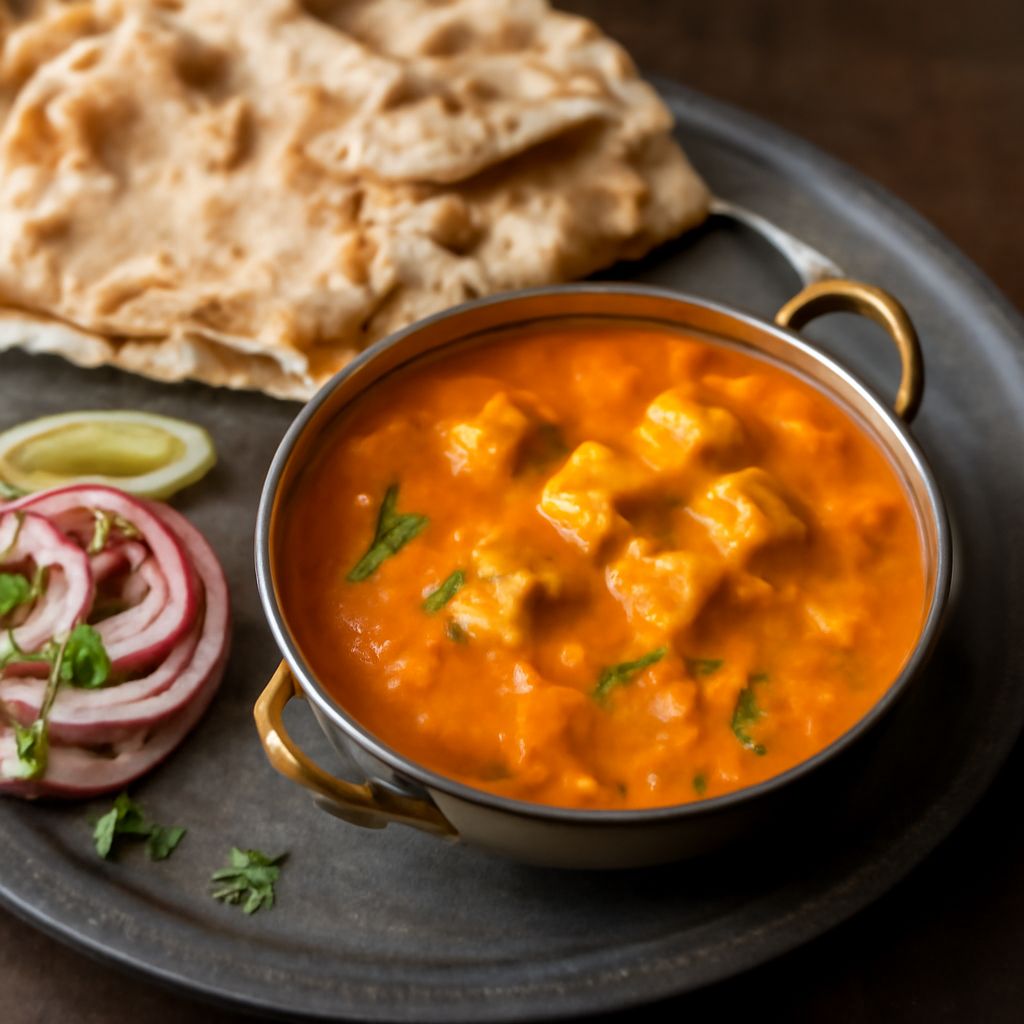
If you’re looking for indian food for beginners, the easiest way to start is to think in terms of flavor, texture, and spice level—not just dish names. Indian cooking covers a huge range of regional styles, but most first-time meals are easy to enjoy once you know a few basics.
This guide gives you a practical starting point for understanding all about indian food, from common ingredients to simple indian food descriptions you’ll see on menus or in cookbooks. You’ll also learn how to choose dishes that fit your comfort level without missing the variety that makes the cuisine so flexible.
What to know about Indian food
Indian food is built around layers of flavor. You’ll often taste spice, acidity, heat, richness, and freshness in the same dish. That does not always mean “hot.” Many dishes are deeply seasoned but only mildly spicy.
A good beginner approach is to recognize a few core elements:
- Bread and rice are common bases. You may see naan, roti, paratha, basmati rice, or biryani.
- Curries can mean many things: saucy vegetables, lentils, meat, or seafood cooked with spices.
- Legumes and lentils are central in many regions, especially in vegetarian meals.
- Dairy appears often in the form of yogurt, paneer, ghee, cream, or lassi.
- Spices are used for aroma and balance, not just heat.
If you’re trying Indian food for the first time, choose one rice dish, one bread, one mild curry, and one lentil dish. That gives you a useful range without overwhelming your palate.
How to read Indian food descriptions
Good indian food descriptions usually tell you three things: the main ingredient, the cooking style, and the flavor profile. Once you know those clues, menu language becomes much easier to understand.
Main ingredient
Look for the star of the dish first. Common examples include chicken, lamb, paneer, chickpeas, lentils, potatoes, cauliflower, okra, or fish. If you know the base ingredient, you can quickly decide whether the dish matches your preferences.
Cooking style
Words like grilled, fried, stewed, roasted, stuffed, or slow-cooked tell you a lot about texture. A tandoori dish is usually cooked in a clay oven and has a smoky edge. A masala dish typically has a spiced sauce. A korma is often milder and richer.
Flavor words
These terms help you predict heat and sweetness:
- Mild: usually a safer choice if you want less chile heat.
- Spicy: can mean warm spices, hot chiles, or both.
- Tangy: often includes tomato, yogurt, tamarind, or citrus.
- Rich: usually creamy, buttery, or coconut-based.
- Dry: less sauce, often cooked until the seasoning coats the ingredients.
If a description says “served with raita,” that yogurt side can cool the dish. If it mentions pickles or chutneys, expect a sharper or sweeter accent alongside the main plate.
Common regional styles and dish types
Indian food changes a lot by region, and that variety is part of all about indian food. For beginners, it helps to group dishes by style instead of memorizing every name.
- North Indian: often includes wheat breads, dairy-rich gravies, paneer, lentils, and tandoori cooking. Butter chicken, dal makhani, and chana masala are common entry points.
- South Indian: often features rice, fermented batters, coconut, tamarind, and lighter dishes. Idli, dosa, sambar, and rasam are useful starting examples.
- West Indian: can range from vegetarian Gujarati dishes to coastal seafood and bold spice blends. You may see dhokla, pav bhaji, or fish curries depending on the area.
- East Indian: often uses mustard, fish, rice, and subtle sweets. Dishes may feel lighter and less cream-heavy than many beginners expect.
As for dish types, these are especially beginner-friendly:
- Dal: lentil-based, usually comforting and easy to pair with rice or bread.
- Paneer dishes: vegetarian, familiar in texture, and often mild to medium in spice.
- Chicken tikka or tandoori chicken: good for learning smoky, spiced flavors without a heavy sauce.
- Vegetable curries: a simple way to sample regional spice combinations.
- Rice dishes: biryani and pulao show how spices work in layered, less saucy formats.
Mistakes beginners should avoid
The most common mistake is assuming every Indian dish is very hot. Heat varies a lot, and many dishes are built to be balanced rather than fiery. If you want a gentle start, look for mild, creamy, lentil-based, or yogurt-balanced dishes.
Another mistake is skipping sides. Rice, naan, roti, raita, chutney, and pickles are not extras in the casual sense; they help you eat the meal as intended and shape the flavor experience.
You should also avoid judging the cuisine by one dish. Indian food descriptions can sound similar at first, but small changes in spice base, region, and cooking method create very different results. A creamy north Indian curry, a coconut-forward south Indian dish, and a mustard-heavy eastern preparation are not interchangeable.
Finally, don’t overload your first plate with too many strong flavors. Pick one dish that is familiar, one that is new, and one cooling side. That makes it easier to notice what you like and to build confidence with Indian food for beginners.