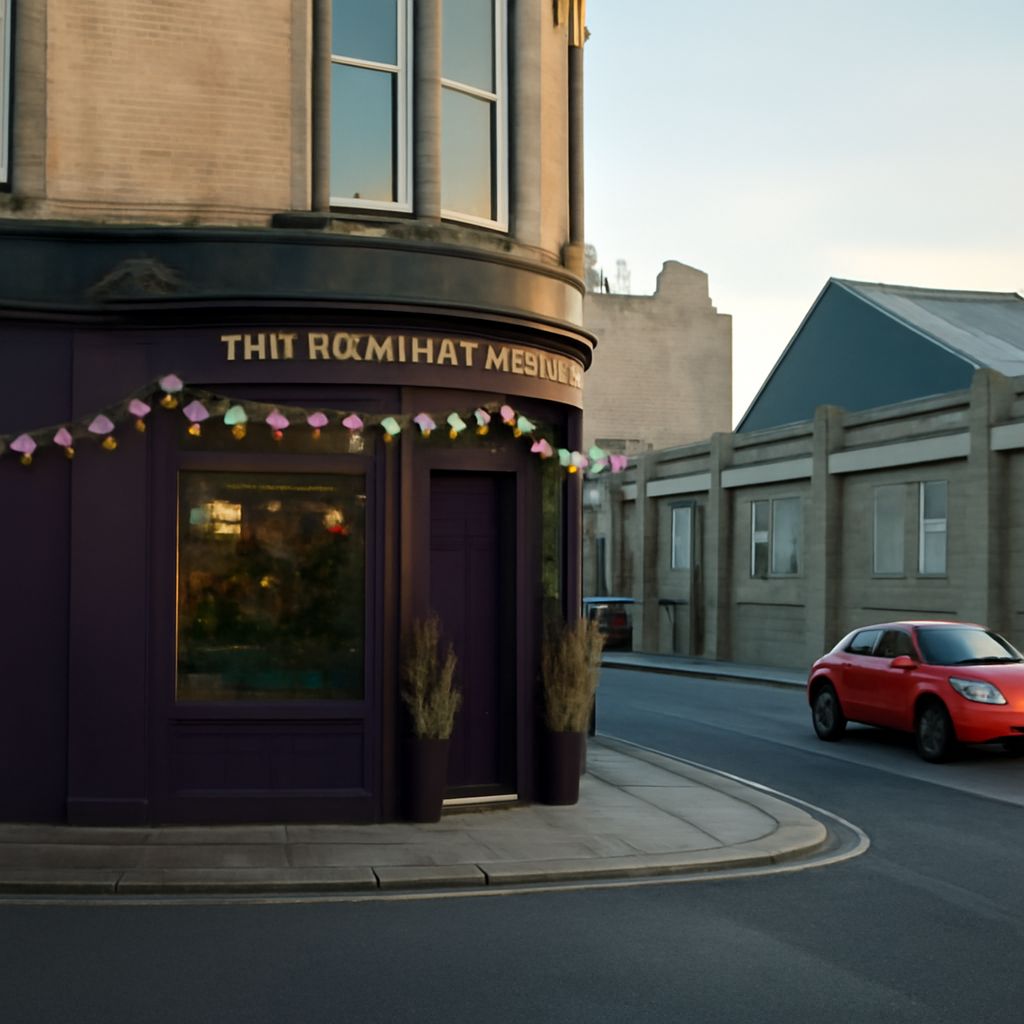
The pub is a casual drinking and dining venue centered on drinks, simple food, and a social atmosphere. In everyday use, people often mean a neighborhood bar with a fuller food menu, but the classic english pub has a stronger identity: beer, comfort food, regulars, and a room built for lingering. If you want a place to meet friends, watch a game, or eat without a formal dining setup, a pub is usually the right fit.
In practical terms, public houses can range from old-school taverns to modern gastropubs. Some focus on pints and pub fare, while others act more like relaxed restaurants. That flexibility is why a pub can be a default choice for an easy night out, but not always the best choice if you want cocktails, patio time, or a very specific menu style.
The Pub: Direct Answer
A pub is a licensed social venue where you go for drinks, food, and a comfortable, informal setting. The core idea is hospitality: you can sit down, order at the bar or table, and stay for a while without needing a reservation or a special occasion.
Most pubs serve beer, wine, and basic mixed drinks, plus food that is easy to pair with drinks. Think burgers, fish and chips, sandwiches, wings, pies, or shareable snacks. A strong pub usually feels neighborhood-oriented, with regular customers, steady music volume, and seating that encourages conversation.
The phrase the pub often refers to the local one people know best, especially in the UK or in places shaped by British drinking culture. In the United States, the word still works, but it often overlaps with bar, tavern, or gastropub depending on the menu and atmosphere.
How a Pub Works and Varies
A pub works like a hybrid between a bar and a casual restaurant. You usually arrive, find a seat, and either order at the bar or wait for table service. Service style depends on the venue, but the experience is generally low-pressure and informal.
Common ways pubs differ
- Drink focus: Some pubs lean heavily on beer and draft selections. Others include cocktails, cider, and wine.
- Food focus: A basic pub may offer a limited menu, while a gastropub can serve chef-driven dishes and seasonal specials.
- Atmosphere: Some are lively and loud; others feel warm, quiet, and close to a dining room.
- Age and style: A historic pub may have wood interiors, dark trim, and traditional decor, while a newer pub can feel bright and modern.
- Outdoor seating: Some pubs have patios or sidewalk tables, which makes them a good choice when you want fresh air with your drink.
Food and drink pricing also varies a lot. A pub can be one of the easiest places to find cheap drinks with outdoor seating, but that is not guaranteed. In busy districts, patio seating may cost more because the location is in demand. In other neighborhoods, a pub may offer happy hour pricing, weekday specials, or low-key pitchers and draft beers that keep the bill manageable.
If you are choosing between pubs, look at three things first: the menu, the drink list, and the vibe. Those details tell you more than the name alone. A place called a pub may function like a sports bar, a dinner spot, or a cocktail lounge with pub branding.
English Pub vs. Other Public Houses
An english pub usually follows a more traditional model than many modern public houses. It typically emphasizes beer, cask ale or draft pours, hearty food, and a space designed for conversation rather than fast turnover. The room often feels lived-in and local, with an emphasis on familiarity and routine.
Other public houses may borrow the name but not the full format. A modern public house can be broader in scope, blending pub culture with restaurant service, brunch, cocktails, or live events. In the U.S., some venues use the term to sound more classic or European while serving a menu that is much more contemporary.
Here is the simplest way to tell the difference:
- English pub: Traditional, beer-forward, comfortable, and often food-light to moderate.
- Modern pub: Flexible, casual, and often closer to a full-service restaurant.
- Gastropub: Pub-style setting with a stronger chef-driven food program.
- Bar or tavern: Usually more drink-centered, sometimes with less emphasis on food or atmosphere.
If you want the classic pub experience, look for signs like a long draft list, traditional dishes, cozy seating, and a room that encourages staying a while. If you want a broader dining experience, a public house or gastropub may give you more menu variety without losing the casual feel.
When to Choose a Pub, Cocktail Bar, or Outdoor Seating Spot
Choose the pub when you want a relaxed place for beer, straightforward food, and conversation. It is the best option for an easy meal, an after-work drink, a casual date, or a group outing where nobody wants a complicated reservation or dress code.
Choose one of the best cocktail bars when the drinks are the main event. A cocktail bar is the better pick if you want craft recipes, premium spirits, seasonal ingredients, or a more polished atmosphere. You may pay more, but you usually get more precision in the drink program and a setting built around the cocktail list.
Choose a pub with cheap drinks with outdoor seating when you want value and a more open setting. This is a smart choice for warm weather, low-key meetups, and long conversations that do not need a formal meal. Outdoor seating can make a simple pint feel like a better night out, especially if the pub also has happy hour or weekday specials.
Quick rule of thumb
- Pick a pub for comfort, flexibility, and easy food.
- Pick a cocktail bar for better drinks and a more curated experience.
- Pick a patio pub for value, casual socializing, and fresh air.
If you are comparing options on the same block, the best choice usually comes down to what you want most: a pint and a meal, a thoughtfully mixed drink, or a seat outside where you can stay awhile.