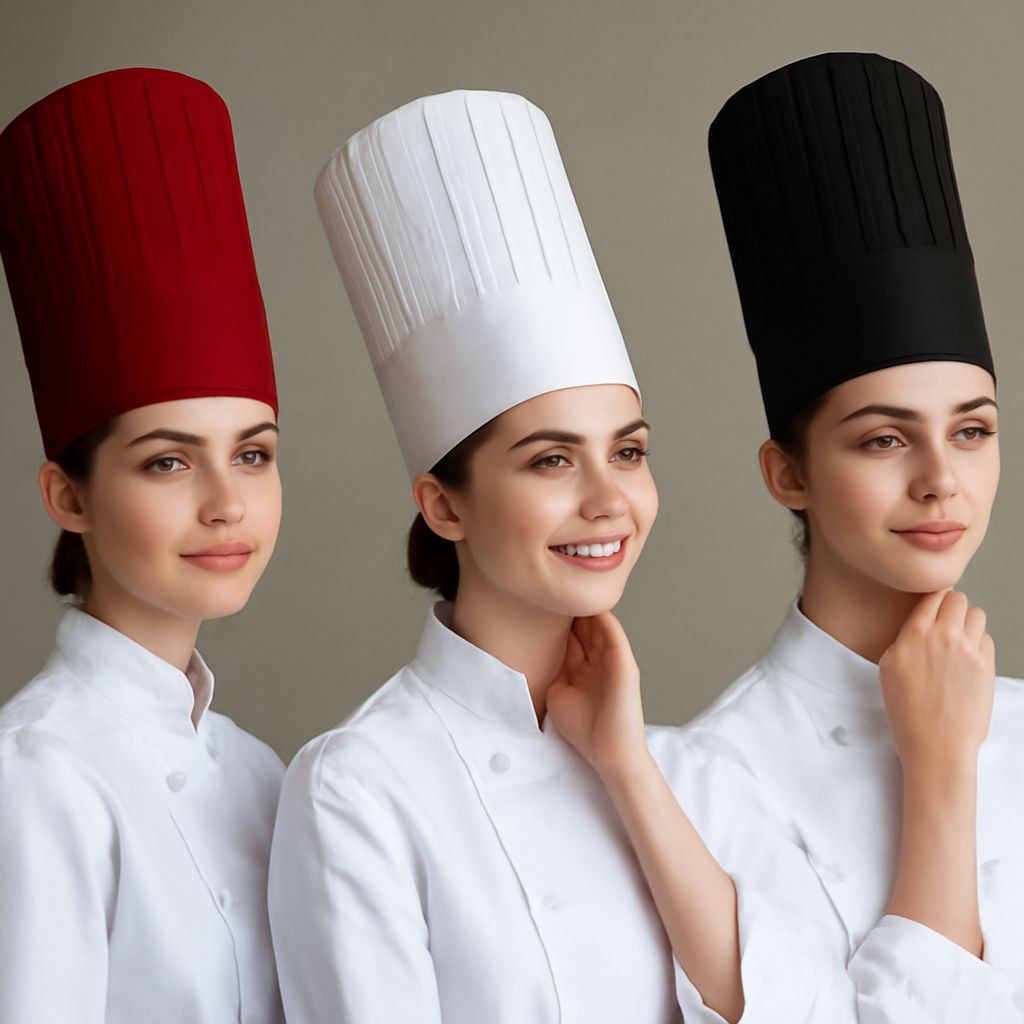
If you’re wondering what a chef’s hat is called, the standard answer is toque, often spelled and used as toque blanche for the traditional white version. In everyday kitchen language, you may also hear chef’s hat name or chef’s toque, but toque is the most recognized term. It refers to the tall, structured hat associated with professional chefs, not a baseball-style cap or a close-fitting skull cap.
Pronounced roughly tohk in English use, the word usually appears in hospitality, culinary-school, and fine-dining settings. If you’re talking about the classic tall hat, you’re talking about a toque; if the hat is lower profile, it may be a modern kitchen cap or bandana instead.
What a chef’s hat is called
The classic name for a chef hat is toque. The full French phrase toque blanche means “white hat” and points to the traditional color worn in professional kitchens. If you search for what is a chef’s hat called, you’ll usually see both terms used interchangeably, though toque blanche emphasizes the historic white, formal version.
You’ll also see chef’s hat name and chef’s hat name used as plain-English phrases for the same item. In practice, “toque” is the most accurate culinary term, while “chef’s hat” is the everyday description. If you’re distinguishing it from other headwear, the key difference is shape: a toque is traditionally tall and cylindrical, while caps and skull caps sit close to the head.
What a toque looks like and how it fits
A traditional chef’s toque is tall, round, and cylindrical, usually with a flat top or softly rounded crown. The height helps it stand out visually, which is part of why the hat became such a strong symbol of the profession. In older styles, the body was made from stiff fabric that held its shape; in modern kitchens, you may also see paper versions or lighter fabrics designed for easier cleaning and lower cost.
Fit matters as much as shape. A toque should sit securely without squeezing your head, since you need comfort through long shifts. Many versions include an internal band or adjustable closure, and some have a more breathable construction to move heat away from your scalp. That matters in a hot line kitchen where you’re working over burners, ovens, and steam.
One reason the hat stays recognizable is the structure. The tall crown creates a clear silhouette, while the fabric or paper body gives enough firmness to hold the form. The pleated appearance is part of the traditional look, but the exact construction varies widely today. Some hats are full pleated cloth; others are simplified, washable, or disposable versions that keep the same overall profile without the old-school tailoring.
Why chefs wear hats in the kitchen
The simplest answer to why do chefs wear hats is practical: the hat helps keep hair contained, reduces the chance of hair falling into food, and adds a layer of cleanliness in a busy kitchen. It also helps absorb or manage sweat, which matters when you’re moving quickly in a hot environment for hours at a time.
There’s also a visibility function. A hat makes kitchen staff easier to identify at a glance, especially in open kitchens or large operations. That can help guests, servers, and other staff tell who is leading service, who is on the line, and who belongs to which station. In uniforms, headwear is part of the overall professional look, not just an extra accessory.
Traditional chef hats also support a sense of uniform identity. When everyone on the team wears consistent clothing, the kitchen reads as organized and accountable. A tall white toque signals formality and expertise, while less structured headwear can signal a more casual, contemporary kitchen style. The hat doesn’t make the chef, but it helps show the role.
History, hierarchy, and the pleat story
The toque has a long association with French professional cooking, where uniform dress became a visible part of kitchen hierarchy and discipline. In that setting, a chef’s hat was more than protection or style; it marked rank and tradition. The taller and more elaborate the hat, the more strongly it suggested status within the brigade system.
You may hear a story that the classic toque has exactly one hundred pleats, each representing a cooking technique. That lore is widely repeated, but you shouldn’t treat it as an uncontested universal rule. Pleat counts have varied over time, by maker, and by region. The more useful takeaway is that pleats became a decorative and symbolic feature tied to craftsmanship, not a fixed standard every hat must follow.
The historical link to hierarchy is still part of the toque’s image today. In many kitchens, uniforms are designed to show role and seniority without needing a long explanation. A chef in a tall toque, for example, may be visually distinct from line cooks wearing simpler caps or fitted head coverings. That distinction is partly tradition and partly practical kitchen identification.
Modern chef headwear: caps, skull caps, and bandanas
Not every kitchen uses the classic tall hat anymore. Many chefs now wear lower-profile options such as fitted caps, skull caps, or bandanas, especially in fast-paced, casual, or open-kitchen environments. These styles can be easier to launder, cooler to wear, and less bulky under hoods, headphones, or tight workspace conditions.
Caps and skull caps usually do the same basic job as a toque: they keep hair contained and support hygiene. The difference is the visual profile. A cap sits close to the head and looks more like athletic or workwear; a skull cap hugs the scalp even more closely; a bandana offers a flexible, lightweight option that can be tied to fit. If you’re asking about chef hat called in a modern context, any of these may qualify as kitchen headwear, but only the tall classic version is properly called a toque or toque blanche.
Modern kitchens often choose headwear based on function, brand image, and comfort. Fine dining may still favor the traditional toque for ceremony and identity, while casual restaurants may prefer a fitted cap or bandana that feels less formal and easier to maintain. The underlying purpose stays the same: keep hair controlled, manage heat and sweat, and present a clean, professional look.