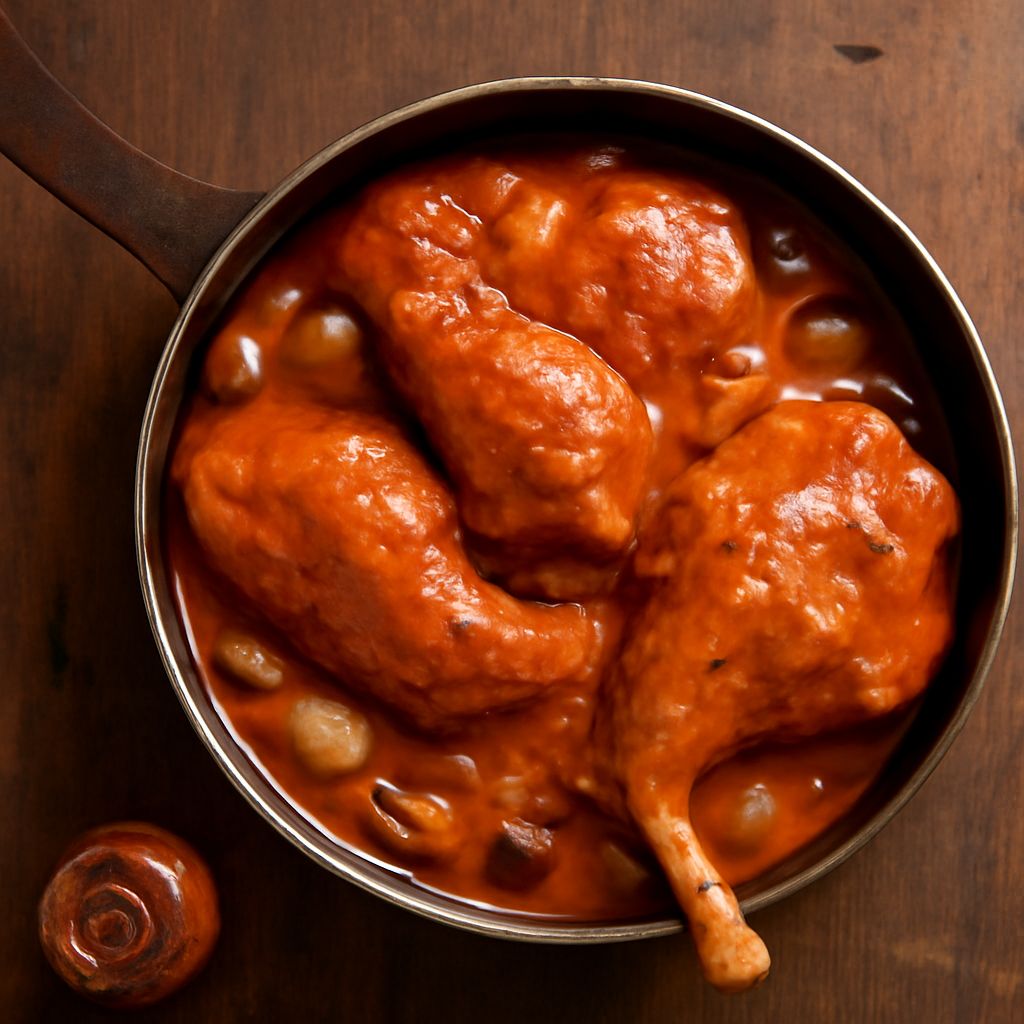
A Cajun dish brings together seasoned vegetables, a deeply cooked roux or browned meat, rice, and ingredients such as smoked sausage, chicken, shrimp, or crawfish. Gumbo, jambalaya, boudin, étouffée, and red beans and rice show how Cajun cooking turns modest ingredients into filling, layered meals.
The best way to understand classic Cajun dishes is to look at how they are built. You will find plenty of seasoning, but heat alone does not define the food. Browning, slow simmering, smoked meats, stock, and rice create the signature flavor and texture.
Cajun Dish: Seasoning, Roux, and Cajun-Creole Differences
Many Cajun recipes start with the “holy trinity” of onion, celery, and green bell pepper, often followed by garlic. Dried or fresh thyme, bay leaf, parsley, paprika, black pepper, white pepper, and a measured amount of cayenne add depth. The result should taste savory and aromatic before it tastes hot.
A roux made by slowly cooking flour in oil or butter provides another essential foundation. A pale roux gives a lighter, buttery body, while a medium or dark roux adds roasted, nutty flavor. Stir it frequently so it does not scorch. You can also build flavor by browning chicken, sausage, or seafood and loosening the browned bits with stock.
Cajun and Creole are related Louisiana traditions, but they are not interchangeable labels. Cajun cooking is commonly associated with southwest Louisiana, rural kitchens, rice-based dishes, smoked meats, and dark roux. Creole cooking is more often linked with New Orleans and broader urban influences, including tomatoes, dairy, and more varied European techniques. The boundaries overlap: gumbo, jambalaya, and seafood dishes can belong to either tradition depending on the recipe, cook, and community.
Classic Cajun Dishes: Rice, Gumbo, Jambalaya, and Red Beans
Gumbo is a loose, savory stew served over rice. A Cajun version may begin with a dark roux, the trinity, stock, and chicken, andouille, or seafood. Okra can thicken the pot and add a pleasantly silky texture, while filé powder may be stirred in near the end for earthy flavor. Simmer the base long enough for the meat to become tender and the seasoning to blend, then add delicate seafood late so it stays firm.
Jambalaya cooks rice directly in a seasoned stock with meat or seafood. Cajun-style jambalaya often gets its brown color from well-browned sausage, chicken, or pork and commonly avoids tomatoes. Creole jambalaya may use tomatoes and have a redder appearance, though individual recipes vary. The finished rice should be tender and separate rather than wet or mushy. Brown the proteins and vegetables first, then add stock and rice so the grains absorb the cooking juices.
Red beans and rice is a slow-simmered, comforting staple. Kidney beans cook with onion, celery, bell pepper, garlic, smoked sausage, ham, or a ham hock until creamy. The beans should thicken the pot naturally without losing their shape. Serve them over plain white rice, which balances the rich, seasoned broth. This dish works as a main course, especially with a crisp vegetable or tart pickle alongside it.
Other rice-centered options include dirty rice, in which rice is cooked with finely chopped meat, liver, vegetables, and spices, and rice dressing, a holiday-style preparation often made with ground pork or poultry. Both are hearty enough to anchor a meal but benefit from a fresh, crunchy side.
Popular Cajun Dishes: Étouffée, Boudin, and Seafood
Étouffée means “smothered,” and the dish lives up to its name. Shrimp or crawfish simmer gently in a thick, roux-based sauce with onion, celery, bell pepper, stock, and herbs. Unlike gumbo, étouffée is usually more concentrated and spoonable, with the seafood nestled in a rich sauce rather than a brothy stew. Serve it over rice and add the shellfish near the end to prevent overcooking.
Boudin combines seasoned pork, rice, onion, green onion, parsley, and spices in a sausage casing. Some versions include pork liver, which gives the filling a deeper, more savory taste. The texture is soft and slightly crumbly, not like a firm smoked sausage. You can steam or grill links, or serve boudin balls as a crisp appetizer with a tangy dipping sauce.
Seafood appears throughout Cajun cooking because Louisiana’s waterways provide shrimp, crawfish, catfish, oysters, and crab. Try blackened fish for a quick main course: coat the fish with spices, sear it in a hot pan, and finish it before the crust burns. For a gentler preparation, simmer shrimp or crawfish in étouffée, gumbo, or a seasoned court-bouillon. Use lemon, herbs, and pickled vegetables to cut through richer sauces.
Smoked Meats, Vegetables, and Simple Cajun Sides
Smoked meats supply both protein and seasoning. Andouille adds a firm, garlicky bite to gumbo and jambalaya, while tasso—a seasoned, smoked pork—can flavor beans, greens, gravies, and rice. Smoked ham and ham hocks bring salt and body to red beans. Brown these meats before adding liquid so their rendered fat and browned edges season the rest of the dish.
Vegetables keep a Cajun plate from feeling too heavy. Maque choux pairs corn with onion, bell pepper, and sometimes tomato or bacon. Smothered okra, braised cabbage, mustard greens, and green beans all work well beside rich mains. Cook them until tender but not collapsed, and use vinegar, herbs, or scallions for contrast.
Simple sides include steamed white rice, skillet cornbread, French bread for soaking up gumbo, potato salad, coleslaw, and pickled okra. Choose one substantial starch when the main dish already contains rice. A crisp salad or acidic pickle is often more useful than another rich side.
Build a Cajun Meal: Balanced Sample Combinations
To build a balanced Cajun meal, choose one main dish, one starch if needed, one vegetable, and one fresh or acidic accent. Since gumbo, jambalaya, red beans, and étouffée can all be filling, avoid serving multiple rice-heavy mains together.
- Gumbo supper: Chicken-and-andouille gumbo over white rice, skillet cornbread, and a green salad with a sharp vinaigrette. The salad and vinegar keep the dark roux from feeling too rich.
- Seafood plate: Crawfish étouffée over rice, maque choux, and pickled okra. The sweet corn and tart pickle balance the smooth, savory sauce.
- One-pot meal: Chicken-and-sausage jambalaya with braised greens and French bread. Because the jambalaya already contains rice, keep the sides vegetable-forward.
- Bean-focused meal: Red beans and rice with smoked sausage, cabbage slaw, and hot sauce at the table. The creamy beans pair with the cool crunch of the slaw.
- Boudin supper: Grilled boudin links, roasted vegetables, a small serving of potato salad, and lemony greens. Use boudin as the centerpiece and let the sides provide texture and brightness.