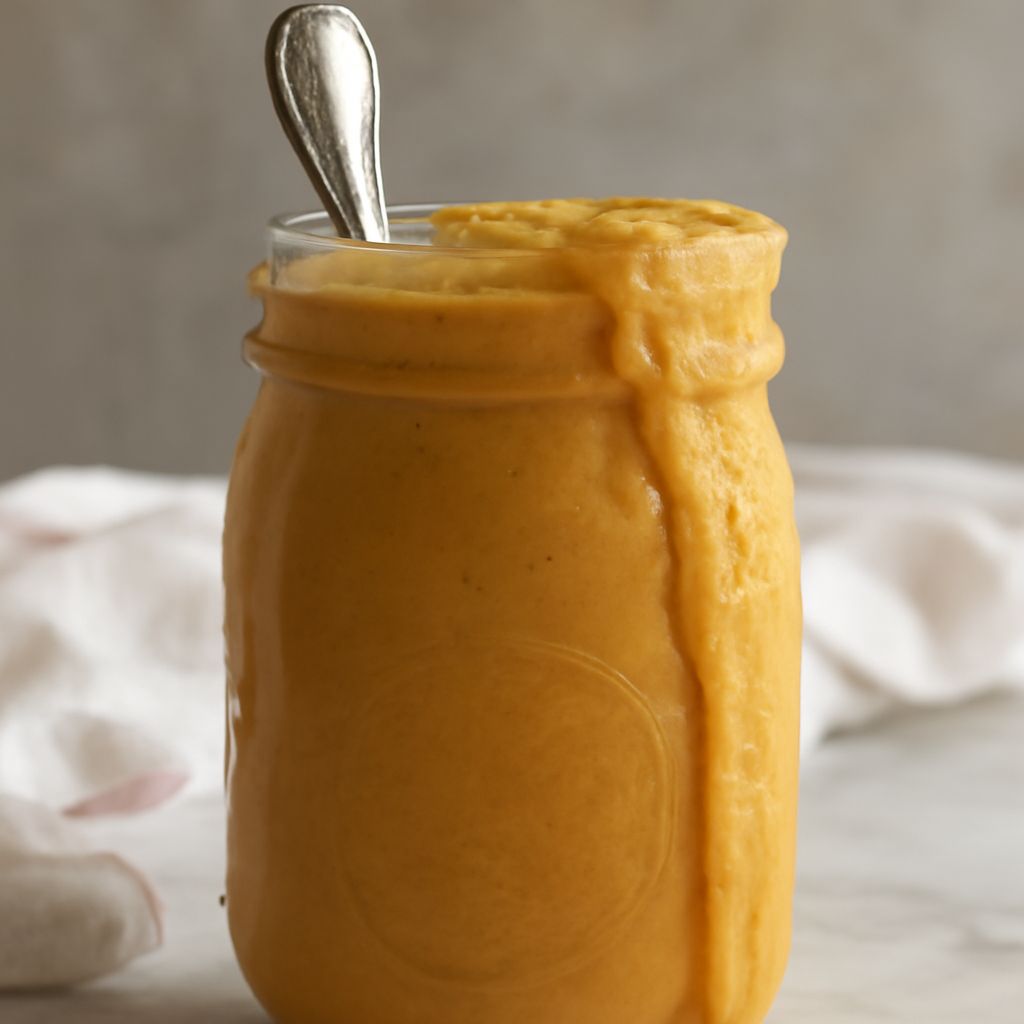
This easy curry sauce uses pantry ingredients and takes about 20 minutes. You bloom the curry powder in oil, soften onion with garlic and ginger, then add stock and blend everything into a smooth, spoon-coating sauce.
The recipe makes about 500 ml, enough for four portions when served with vegetables, chicken, fish, tofu, or rice. Choose a tomato, coconut, or cream finish after blending.
Easy Curry Sauce Ingredients
- 2 tablespoons neutral oil, such as canola or sunflower oil
- 1 small yellow onion, finely chopped
- 2 garlic cloves, finely grated or minced
- 1 teaspoon fresh ginger, finely grated
- 2 tablespoons curry powder
- 1 tablespoon tomato paste
- 250 ml vegetable or chicken stock
- 1/2 teaspoon fine salt, plus more if needed
For one finish, also prepare 200 ml passata for tomato sauce, 200 ml unsweetened coconut milk for coconut sauce, or 100 ml heavy cream for a creamy sauce. The tomato and coconut versions yield about 500 ml; the cream version yields approximately 400 ml, depending on how much you reduce it.
Recipe for Curry Sauce: Bloom the Spices and Aromatics
- Heat the oil in a medium saucepan over medium heat. Add the onion and cook for about 5 minutes, stirring occasionally, until soft and translucent. Do not let it become deeply brown, or it can make the sauce taste sweet and heavy.
- Stir in the garlic and ginger and cook for 30 seconds, just until fragrant.
- Add the curry powder and stir constantly for 60 seconds. This is the blooming step: the oil gently draws out the powder’s fat-soluble aromatic compounds and lightly toasts them, giving the finished sauce a fuller flavor. It also removes the dusty, raw taste that curry powder can have when it is added directly to liquid.
- Stir in the tomato paste and cook for another 30 seconds. Keep the heat moderate. If the powder darkens quickly or smells scorched, lower the heat immediately; burnt spices will make the entire sauce bitter.
Blooming works best before you add any stock because the spices have direct contact with the hot fat. Once liquid is added, they disperse through the sauce, but they will not develop the same concentrated aroma.
Making Curry Sauce: Add Liquid, Simmer, and Blend
- Pour in the stock gradually, about 60 ml at a time, while whisking or stirring. Scrape the bottom of the pan to loosen the cooked spice and tomato paste.
- Bring the sauce to a gentle simmer, then cook uncovered for 8 to 10 minutes. Stir once or twice. The onion should be completely tender, and the liquid should smell rounded rather than sharply raw.
- Blend the sauce with an immersion blender until smooth. Alternatively, transfer it carefully to a countertop blender and blend in batches. The finished base should flow easily but coat the back of a spoon.
Check the texture before choosing a finish. If the sauce is too thick, stir in stock one tablespoon at a time until it loosens. If it is too thin, simmer it uncovered for 2 to 3 minutes, stirring often, until it reduces. A sauce that looks slightly loose in the pan will thicken a little as it stands.
Quick Curry Sauce: Choose a Tomato, Coconut, or Creamy Finish
- Tomato finish: Stir in 200 ml passata and simmer for 4 to 5 minutes. This makes a bright, lightly tangy sauce that works well with chickpeas, lentils, chicken, and roasted vegetables. If it becomes too acidic, use the sweetness adjustment below.
- Coconut finish: Stir in 200 ml unsweetened coconut milk and warm gently for 3 to 4 minutes without a hard boil. This gives the sauce a rounder, richer texture and suits tofu, prawns, fish, and vegetables.
- Creamy finish: Remove the pan from the heat and stir in 100 ml heavy cream. Return it to low heat for 1 to 2 minutes if necessary, but do not boil. The result is the mildest and richest option, ideal for chicken, mushrooms, or paneer.
For a particularly silky result, blend again after adding the tomato or coconut finish. Add cream only after blending so it stays smooth and does not foam excessively.
How to Make Curry Sauce with Curry Powder: Balance the Flavor
Taste the finished sauce after you add the chosen finish. Curry powders vary in saltiness, warmth, and sweetness, so make small adjustments rather than adding a large amount at once.
- For more heat: Add up to 1/2 teaspoon chili powder or cayenne. Stir it in while the sauce is hot, then wait 30 seconds before tasting again.
- For more sweetness: Add up to 1 teaspoon sugar, especially to a tomato version. Stir until dissolved.
- For more acidity: Add up to 1 teaspoon lemon juice at the end. This sharpens a rich coconut or cream sauce, but add it gradually to prevent the flavor from becoming sour.
- For more richness: Stir in up to 1 tablespoon butter just before serving. Swirl it through off the heat for a glossy finish.
Adjust salt only after the finish and flavor corrections are complete. Keep the sauce warm over low heat until serving, adding a splash of stock if it tightens. Do not add dry curry powder at the end: it will remain grainy and taste raw. If the sauce needs more curry flavor, bloom an additional small amount in a teaspoon of oil in a separate pan, then stir that cooked mixture into the sauce.