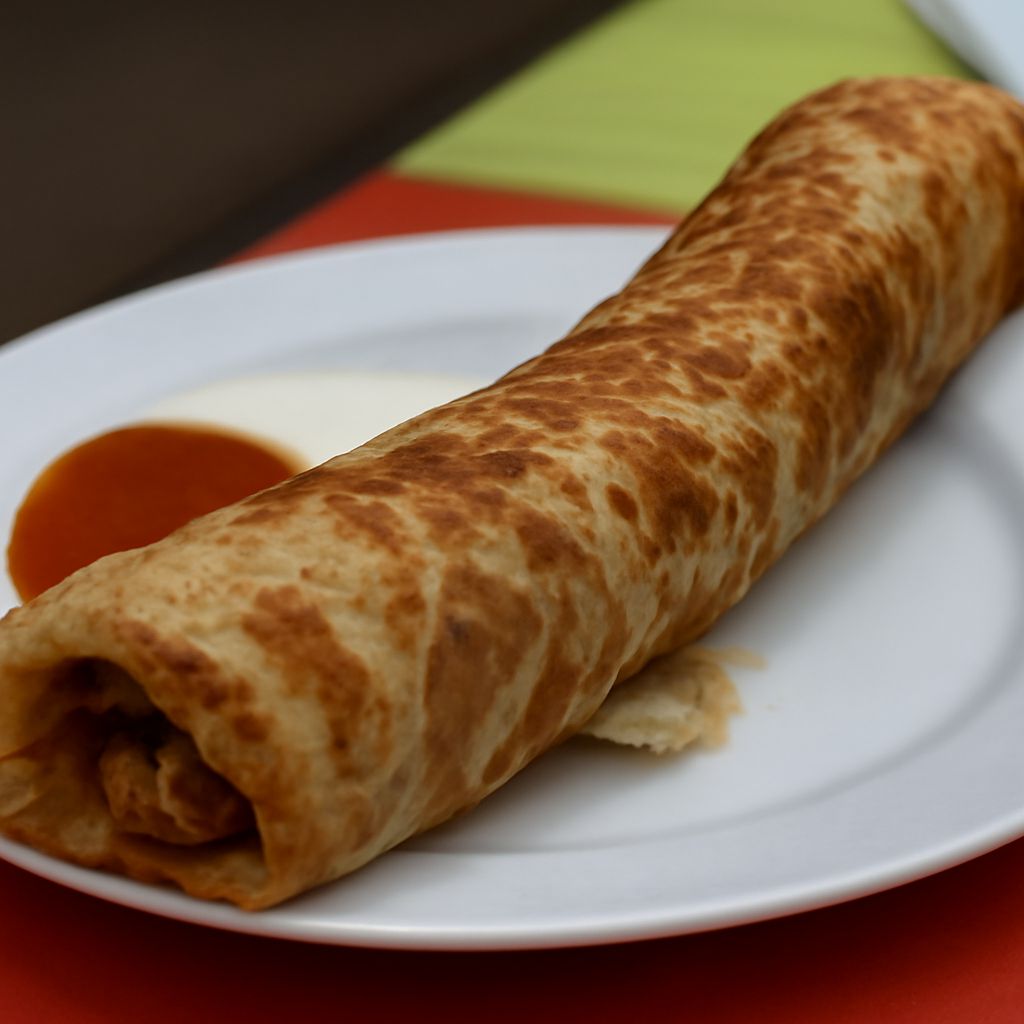
Bangladesh food centers on rice, freshwater fish, lentils, vegetables, mustard oil, and green chile. River geography gives the cuisine abundant fish, while fertile soil supports several rice varieties, vegetables, herbs, and seasonal produce. You will find gentle broths beside intensely flavored bhorta, festive biryani beside simple dal, and syrupy sweets beside savory snacks.
Bangladeshi food shares historical connections with wider Bengali foodways, but it is not identical to every Bengali tradition. Local ingredients, Muslim and Hindu culinary customs, coastal trade, and regional cooking styles give Bangladesh its own range of everyday and celebratory dishes.
Bangladesh Food: Mustard, Chile, Rice, and Bhorta
Rice is the foundation of most meals. Steamed rice accompanies fish, dal, vegetables, and meat, while fragrant polao and biryani appear at weddings, Eid gatherings, and other celebrations. In rural areas, people may also eat flattened rice, puffed rice, or fermented rice dishes for breakfast and snacks.
Mustard oil supplies a distinctive sharpness to many recipes. Cooks build flavor with turmeric, cumin, coriander, ginger, garlic, dried chile, and fresh green chile; panch phoron, a five-spice blend, adds a warm, aromatic note to vegetables and fish. The preparation called bhorta combines mashed vegetables, fish, or shrimp with mustard oil, chile, onion, and salt. Potato bhorta, eggplant bhorta, dried-fish bhorta, and green-chile bhorta turn humble ingredients into a bold side dish eaten with rice.
Bangladeshi Food: Everyday Fish, Dal, and Vegetables
Bangladesh’s rivers, floodplains, ponds, and coast make fish central to the diet. Rohu, katla, tilapia, pangas, small river fish, and shrimp commonly appear in home cooking. A simple macher jhol places fish in a light, turmeric-tinted broth with tomato, potato, eggplant, or green chile. Other cooks fry the fish first, then simmer it in a thicker onion and spice sauce.
Dal provides everyday protein and often arrives with rice and a vegetable dish. Red lentils cook quickly with turmeric, onion, garlic, and dried chile; mung dal offers a lighter, nuttier flavor. Vegetables such as bottle gourd, pumpkin, okra, pointed gourd, cabbage, spinach, beans, and eggplant may be stewed, fried, or cooked with shrimp. These meals are usually assembled from several modest dishes rather than one large entrée.
Coastal and southern communities use more seafood, coconut, and pungent dried fish, known as shutki. Sylhet is known for citrusy satkora, which adds fragrance to meat and fish. In the Chattogram region, dried fish and seafood often bring especially assertive flavor. These differences show how river, coast, farmland, and local markets shape Bangladeshi cuisine.
Ilish, Kacchi Biryani, and Regional Celebrations
Ilish, or hilsa, is one of the country’s most celebrated fish. Its rich, oily flesh works well with mustard. Shorshe ilish steams or simmers the fish in a mustard sauce, while bhapa ilish cooks it with mustard, chile, and spices. Fried ilish, ilish curry, and ilish bhorta offer different ways to serve the same prized fish with rice.
Kacchi biryani, strongly associated with Dhaka, layers marinated raw mutton, potatoes, rice, saffron or color, fried onions, and aromatic spices in a sealed pot. The meat cooks beneath the rice, releasing juices into each layer. At weddings and large family events, cooks may also prepare chicken roast, beef curry, fragrant polao, or rich rezala.
Celebrations bring regional specialties to the table. Chattogram’s mezbani beef is a deeply spiced dish traditionally served at communal feasts. During Pahela Baishakh, panta bhat—fermented or soaked rice—may accompany fried fish, bhorta, and green chile. Eid meals often emphasize meat, biryani, semai, and other rich dishes, while home menus remain simpler between festivals.
Bangladeshi Cuisine: Breads, Pitha, and Mishti
Although rice dominates, breads add variety. Roti and paratha accompany meat, eggs, or vegetables, while luchi provides a light, fried option for special breakfasts. In Old Dhaka, layered bakarkhani is a crisp, buttery bread often served with tea or savory dishes. Naan and tandoori breads also appear in restaurants and urban meals.
Pitha refers to a broad family of rice-flour cakes, dumplings, and pancakes, especially popular in winter. Bhapa pitha steams rice flour with coconut and date-palm jaggery; patishapta wraps a thin crepe around a coconut or milk filling; and chitoi pitha cooks as a small, soft rice cake. Regional recipes may be sweet, savory, steamed, fried, or filled with meat.
Bangladeshi sweets, or mishti, finish festive meals and mark weddings, holidays, and visits. Mishti doi is lightly caramelized sweet yogurt, while roshogolla, chomchom, sandesh, and kachagolla showcase fresh chhena, milk, sugar, and syrup. Date-palm jaggery gives winter sweets a deeper flavor, especially in pitha and traditional desserts.