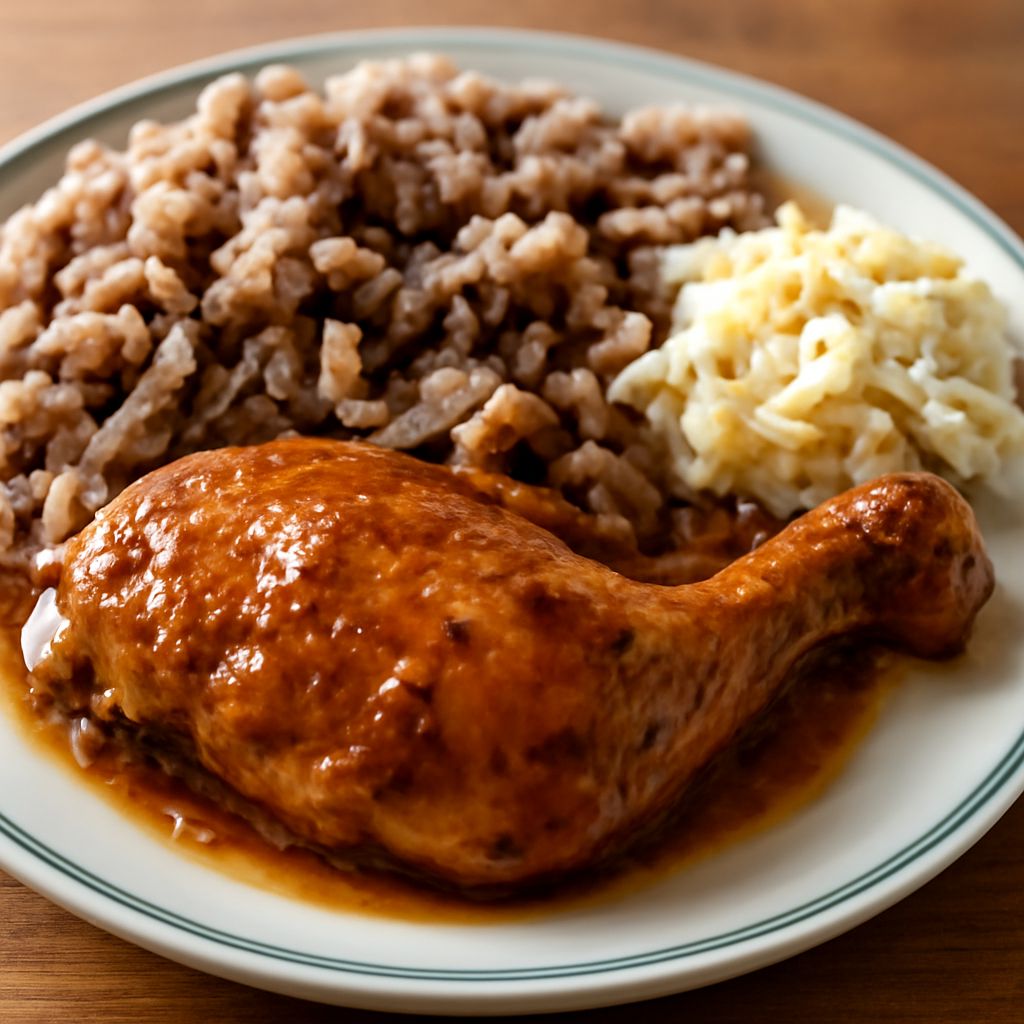
Belizean food is shaped by the country’s Maya, Mestizo, Creole, Garifuna, and coastal communities. You’ll find a dependable foundation of rice, beans, corn, cassava, coconut, seafood, and slow-cooked meats, but the combinations change from inland villages to Caribbean-facing towns.
Belize cuisine is easiest to understand through its everyday plates and regional specialties. A typical meal might pair rice and beans with stewed chicken, salad, fried plantain, or a fresh pepper sauce, while coastal and Garifuna cooking brings fish, coconut broth, plantain, and cassava to the center.
Belizean Food Staples: Rice and Beans, Corn, Cassava, and Recado
Rice and beans form one of the best-known foundations of Belizean food. Red kidney beans are simmered with rice, often with coconut milk, garlic, onion, thyme, and a little fat for a savory, fragrant side. The dish can accompany chicken, pork, beef, or fish and appears at both casual lunches and larger Sunday meals.
Corn connects Belizean cooking to Maya and Mestizo traditions. Fresh corn becomes tortillas, while masa also fills tamales and supports dishes such as tacos and garnaches. Garnaches use crisp fried tortillas topped with refried beans, cheese, cabbage, and hot sauce. You may also encounter corn-based tamales wrapped in banana leaves or corn husks.
Cassava adds another important starch. It appears as a boiled or mashed side, in cassava bread, and in Garifuna dishes such as ereba. Recado supplies color and depth: red recado, made with annatto and spices, seasons stews and meats, while darker recados bring toasted, earthy notes to dishes such as chimole.
Belize Cuisine: Building an Everyday Plate with Stew Chicken and Fry Jacks
An everyday Belizean plate usually has one hearty centerpiece, one starch, and fresh or lightly dressed sides. Stew chicken is a classic: the chicken is seasoned, browned, and slowly cooked in a dark gravy with onion, garlic, peppers, herbs, and sometimes recado. The finished meat should be tender, with a sauce that is rich enough to coat the rice.
Serve the stew chicken with rice and beans, potato salad or coleslaw, and fried ripe plantains. Some households add a small portion of beans, gravy, or hot pepper sauce separately so you can adjust each bite. Stewed beef, pork, and cow-foot soup follow the same preference for slow cooking and concentrated flavor.
For breakfast, fry jacks provide a crisp, airy contrast to savory fillings. These pieces of leavened dough are rolled or stretched, fried until puffed, and served with refried beans, eggs, cheese, ham, or stewed chicken. Street foods also include salbutes, garnaches, tamales, and meat-filled tacos, giving you smaller, faster ways to experience familiar ingredients.
To assemble a representative meal, start with a scoop of rice and beans, add stewed chicken and gravy, then place plantain and a crunchy salad beside it. Finish with hot sauce or pickled onions rather than covering the entire plate in one seasoning.
Coastal Dishes and Traditions: Hudut, Conch Soup, and Coconut Seafood
Along the coast, seafood and coconut change the structure of a meal. Hudut, associated especially with Garifuna cooking, combines fish simmered in coconut broth with mashed green and ripe plantains called fu-fu. You eat the plantain mash with the fish and spoon the aromatic broth over both.
Conch soup uses tenderized conch with vegetables, herbs, and a seasoned broth. Conch may also appear in fritters or ceviche, where lime, onion, pepper, and herbs highlight its fresh, firm texture. Shrimp, snapper, lobster, and other local fish are commonly grilled, fried, stewed, or cooked in coconut milk.
Garifuna coastal cooking also includes tapou, a seafood-and-coconut soup, and cassava-based preparations. These dishes are not simply variations of a single Caribbean menu: they reflect fishing practices, plantain cultivation, cassava processing, and family traditions passed through coastal communities.
Cultural Influences on Belizean Cuisine: Maya, Mestizo, Creole, Garifuna, and Coastal Ways
Belizean cuisine combines several foodways rather than following one national template. Maya traditions contribute corn tortillas, beans, roasted peppers, tamales, and methods built around maize and locally grown produce. Mestizo cooking adds strong connections to Mexican and Yucatecan flavors, including tacos, escabeche, relleno, and richly seasoned recados.
Creole cooking is closely associated with rice and beans, stewed meats, coconut, fried plantains, and soups designed for a filling shared meal. Garifuna traditions emphasize cassava, plantain, fish, coconut milk, and dishes such as hudut, tapou, and ereba.
Coastal households adapt these influences to the catch of the day, while inland kitchens may rely more heavily on poultry, pork, beef, corn, and garden produce. That regional flexibility is the key to ordering and understanding Belizean dishes: ask what is local, identify the starch and stew or seafood centerpiece, and expect the plate to reflect the community preparing it.