Brazilian cuisine centers on satisfying combinations: rice and beans, cassava, seasoned meats, seafood, greens, and tropical fruit. These staples appear in home kitchens, restaurants, markets, and roadside stalls, with recipes changing noticeably from one region to another.
To understand typical Brazilian food, start with the everyday plate rather than festival dishes alone. Indigenous ingredients, African techniques, Portuguese cooking, and later immigrant traditions all shape the food of Brazil.
Brazilian Cuisine Staples: Rice, Beans, Cassava, and Tropical Produce
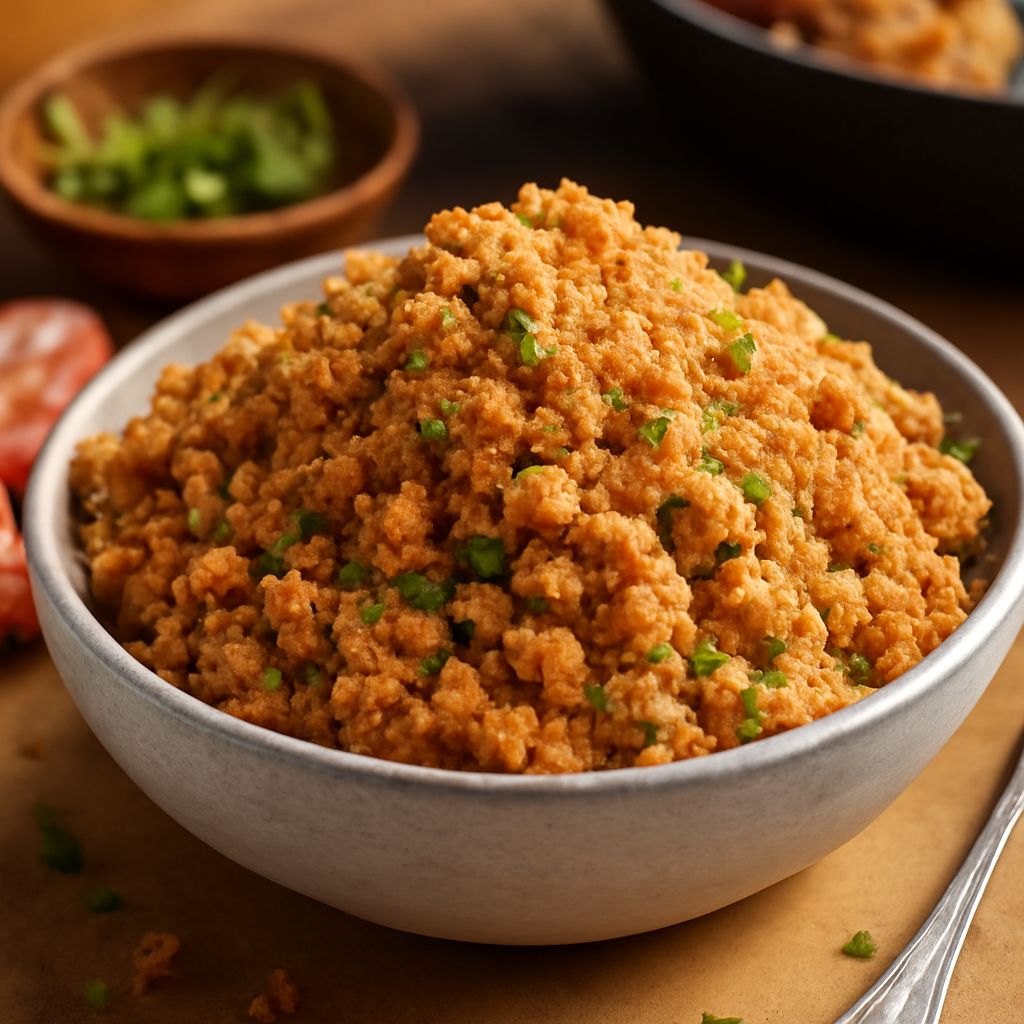
Most Brazilian lunches pair arroz e feijão—white rice and beans—with a protein, salad or cooked greens, and a crunchy side such as farofa. Farofa consists of toasted cassava flour, often mixed with butter, onions, eggs, bacon, or herbs. Cassava also appears as boiled mandioca, fried sticks, tapioca pancakes, and pirão, a thick side made by blending cassava flour into a seasoned broth.
The Everyday Plate: Arroz, Feijão, Farofa, and Greens
Lunch is usually the main meal. You might find black, brown, or carioca beans served with grilled beef, chicken, pork, or fish, alongside collard greens, tomato salad, and orange slices. The combination is filling, inexpensive, and common across Brazil, even when regional seasonings change.
Indigenous Roots and African Influences in Core Ingredients
Indigenous foodways introduced cassava, corn, native fruits, and techniques for processing roots safely. African-Brazilian cooking contributed black-eyed peas, okra, palm oil, coconut, peppers, and slow-cooked stews. Portuguese cooks added salted cod, wheat breads, olive oil, and braising traditions, creating a cuisine that constantly blends methods and ingredients.
Typical Brazilian Food: Feijoada, Moqueca, Churrasco, and Regional Mains
Northeast and Bahia: Moqueca, Acarajé, and Vatapá
Bahian cooking is intensely associated with Afro-Brazilian flavors. Moqueca combines fish or seafood with tomatoes, onions, peppers, coconut milk, and herbs; Bahian versions commonly use red palm oil, or dendê. Acarajé consists of black-eyed-pea fritters fried in dendê and filled with shrimp, vatapá, and spicy pepper sauce. Vatapá itself is a creamy mixture of bread or flour, coconut, shrimp, peanuts, and seasonings.
Minas Gerais and Southeast: Feijoada, Pão de Queijo, and Home Cooking
Feijoada is a rich black-bean stew with pork, traditionally served with rice, farofa, collard greens, and orange. Although it is a famous weekend and celebration meal, beans, rice, and simple braised dishes remain more typical of daily cooking. Minas Gerais is known for rustic home food such as tutu de feijão, sausage, stewed chicken, and chewy pão de queijo made with cassava starch and cheese.
South and Amazon: Churrasco, River Fish, and Manioc Traditions
Southern Brazil is famous for churrasco, especially large cuts of beef grilled over embers and served simply with salads, bread, or farofa. European immigration also influenced pasta, sausages, and breads in the South. In the Amazon, river fish such as tambaqui and pirarucu pair with manioc, tucupi broth, jambu, and fruits including açaí and cupuaçu.
Street Foods and Everyday Brazilian Meal Patterns
Breakfast, Lunch, and the Rice-and-Beans Routine
Breakfast is often modest: strong coffee with bread, butter, cheese, fruit, or a tapioca pancake. Lunch commonly includes rice, beans, meat, and vegetables at home or in a pay-by-weight restaurant. Dinner may repeat lunch, use leftovers, or feature soup, sandwiches, eggs, or a lighter snack. This routine keeps Brazilian cooking grounded in practical foods, not only elaborate feijoada or holiday spreads.
Street Snacks: Coxinha, Pastel, and Acarajé
Coxinha is a teardrop-shaped fried pastry filled with shredded chicken and soft dough. Pastel has a thin, crisp shell filled with cheese, beef, chicken, or hearts of palm. In Bahia, acarajé is both street food and a culturally significant offering connected to Candomblé traditions. Vendors often serve these snacks with hot pepper sauces and cold drinks.
Food of Brazil: Breads, Sweets, Drinks, and Cultural Influences
Pão de Queijo, Brigadeiro, and Tropical Fruit
Pão de queijo is naturally gluten-free because it uses cassava starch rather than wheat flour. For dessert, brigadeiro combines condensed milk, cocoa, and butter into soft chocolate truffles. Other favorites include coconut candy, cocada, guava paste with cheese, and fresh mango, papaya, passion fruit, pineapple, and watermelon.
Coffee, Guaraná, Cachaça, and Regional Drinks
Coffee accompanies breakfast and afternoon snacks, while sweet guaraná soda is a popular everyday drink. Sugarcane juice, called caldo de cana, is common at markets. Cachaça, a sugarcane spirit, forms the base of the lime-and-sugar caipirinha and also appears in regional cocktails.
Indigenous, Afro-Brazilian, Portuguese, and Immigrant Legacies
Brazilian food reflects migration as much as geography: Portuguese stews and cod, African-Brazilian dendê-based dishes, Indigenous cassava and river-fish traditions, and Italian, German, Japanese, and Lebanese influences all sit beside the national rice-and-beans foundation.