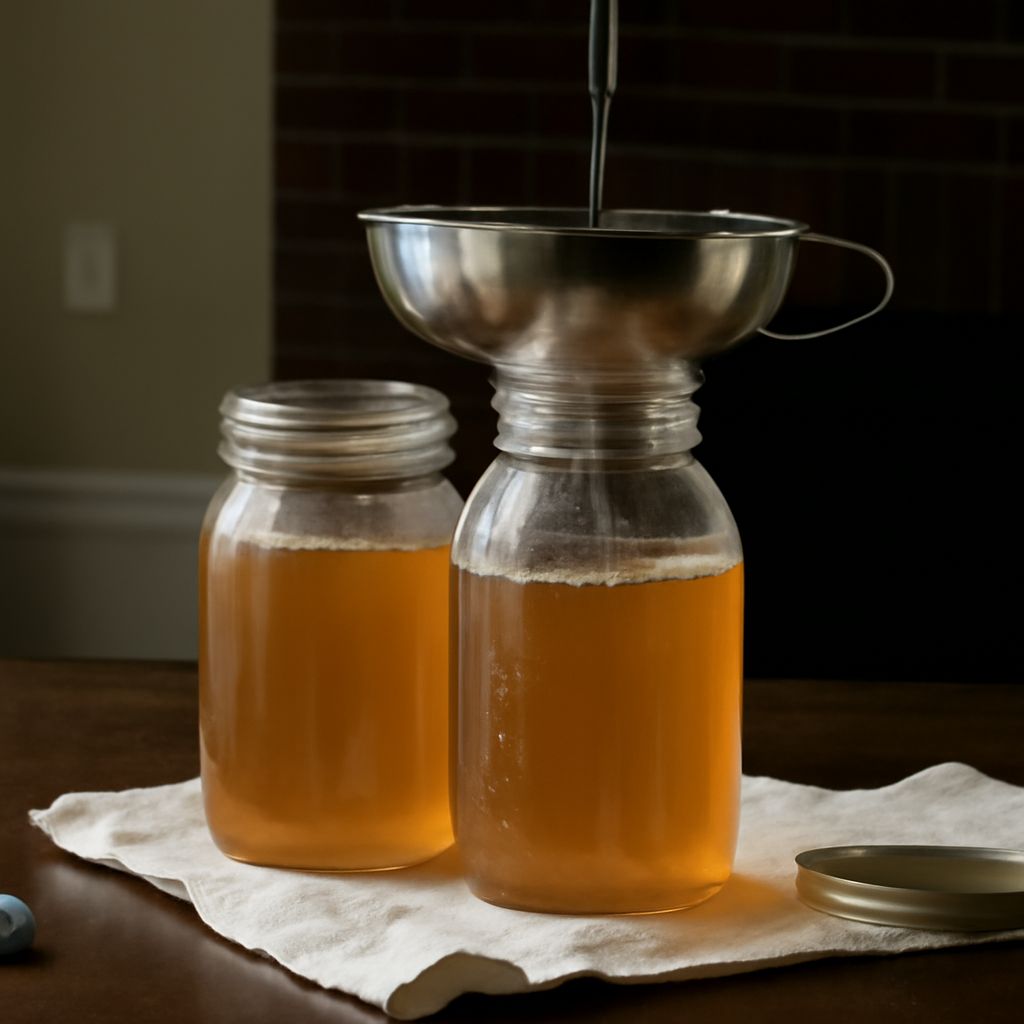
To learn how to render lard, cut clean pork fat into small, even pieces, melt it gently, strain out the solids, and cool the liquid fat in a clean container. The most neutral result comes from leaf lard and pale cracklings; back fat produces a more savory lard that works well for frying and cooking.
For a manageable batch, start with 5 pounds of pork fat. You will usually get about 3 to 4 pounds, or roughly 6 to 8 cups, of finished lard depending on the amount of connective tissue and moisture in the fat.
How to Render Lard: Choose Leaf Lard or Back Fat, Then Cut It Evenly
Leaf lard is the soft, clean fat from around the pig’s kidneys and loin. It has a mild flavor and smooth texture, making it the best choice for pastries, biscuits, and a neutral cooking fat. Back fat comes from beneath the skin along the back and shoulders. It usually contains more meat and connective tissue, so it gives your lard a stronger pork flavor and is especially useful for sautéing, frying, and savory recipes.
- Trim away skin, visible meat, blood spots, and tough membrane. A small amount of connective tissue is fine, but removing excess helps produce cleaner lard.
- Chill the fat until firm, then cut it into pieces about ½ inch wide. Uniform pieces melt at the same rate and reduce the chance of scorching.
- Keep the fat cold while cutting. If it becomes sticky, return it to the refrigerator for 15 to 20 minutes.
Rendering Lard Slowly: Low Heat, Optional Water, and Pale Crackling Cues
Place the cut fat in a heavy-bottomed pot or Dutch oven. Add ¼ cup of water for every 5 pounds of fat if you want extra protection against scorching at the beginning. The water will evaporate as the fat heats, so it will not remain in the finished lard when you render it completely.
- Set the pot over low heat. On the stovetop, the fat should melt gently without smoking or actively frying. Alternatively, use a 225°F oven.
- Stir every 20 to 30 minutes, scraping the bottom so small pieces do not stick. As liquid fat accumulates, ladle some into the pot if needed to keep exposed pieces from browning.
- Continue for about 2 to 4 hours, depending on the size of the batch and the moisture in the fat. The pieces will shrink into cracklings as the fat separates.
- For mild, neutral lard, stop when most pieces are small and pale cream to light golden. For more pork flavor, continue until the cracklings are distinctly golden, but do not let them become dark brown or black.
The rendering is nearly finished when bubbling slows noticeably. Those bubbles are mostly water escaping from the fat. Persistent vigorous bubbling means moisture remains, while smoke, dark solids, or a burnt smell signals excessive heat. Lower the temperature immediately if you see any of these failure cues.
Strain the Lard and Separate the Cracklings
Set a fine-mesh strainer over a heatproof bowl, measuring cup, or clean pot. For especially clear lard, line the strainer with cheesecloth. Carefully pour or ladle the hot liquid through the strainer, leaving the cracklings in the rendering pot. Hot lard can cause severe burns, so use a stable container and keep the handle away from the edge of the counter.
Let the lard drain naturally. You can press the cracklings lightly with a spoon to recover more fat, but heavy pressing pushes fine particles into the lard and can make it cloudy or shorten its storage life. The crisp solids left in the strainer are cracklings; season and use them while fresh, or discard them once they cool if you do not plan to use them.
Cool and Store Homemade Lard: Check Yield, Purity, and Storage
Pour the strained lard into clean, completely dry glass jars or heatproof containers. Leave about ½ inch of headspace. Let the jars cool uncovered until the lard begins to turn opaque, then seal them and refrigerate. It will become white and firm as it cools. A faint beige color is normal for back-fat lard; a strong brown color usually means the cracklings cooked too far.
- Refrigerate homemade lard for up to 3 months when it is well strained, covered, and free of water or food particles.
- Freeze it in airtight containers for up to 1 year for the best quality. Label each container with the rendering date.
- Discard lard with mold, an off smell, unusual bubbling, or visible water collecting at the bottom. Moisture and leftover solids reduce purity and storage life.