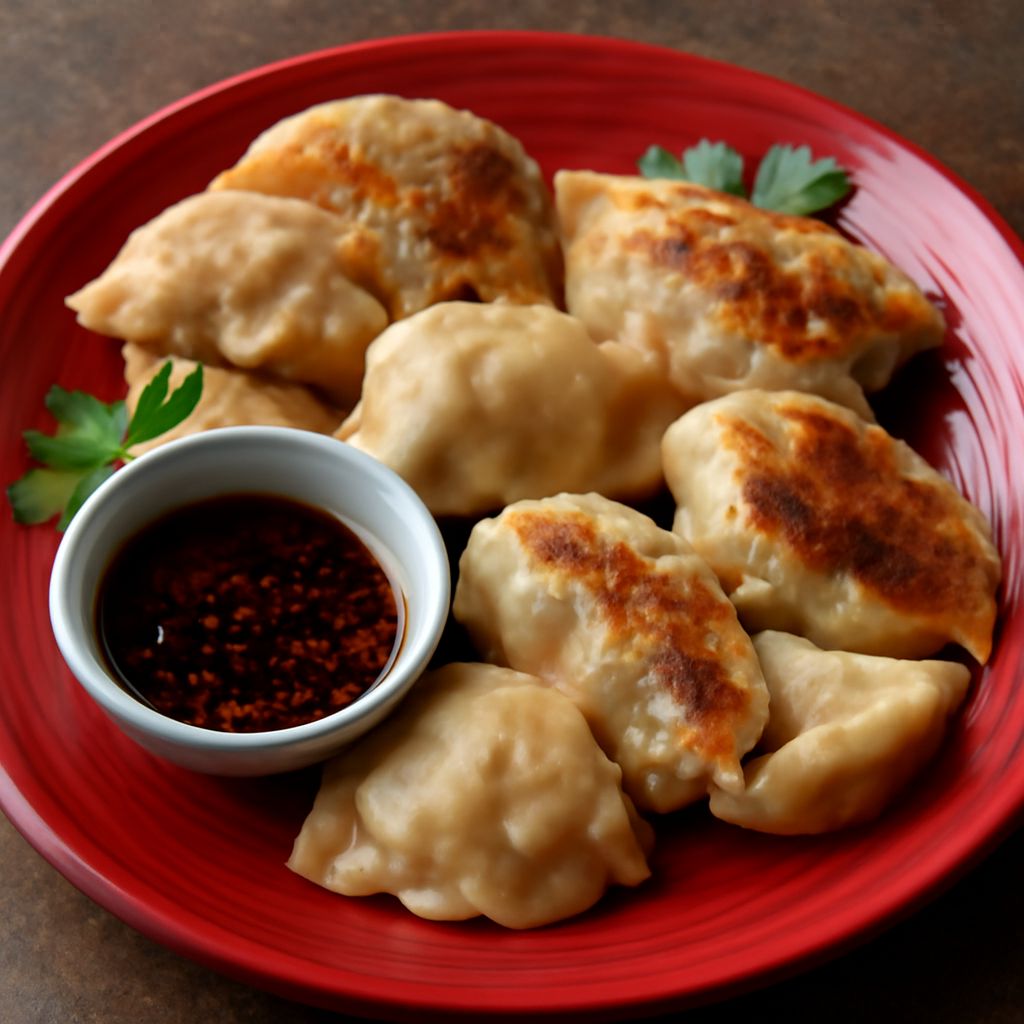
Fried vs steamed dumplings come down to the texture and richness you want. Steaming keeps the wrapper soft and the filling moist, while frying creates browning, crispness, and added fat. If you want a tender dumpling that highlights a juicy filling, steam it; if you want contrast and a more savory, indulgent bite, fry it.
Compare the same raw dumpling cooked by each method to see the difference clearly. The filling can remain identical, but heat, moisture, and contact with oil change the wrapper and the finished flavor.
The Cooking-Method Difference: Fried vs Steamed Dumplings
Steaming cooks dumplings with moist heat. Water turns to vapor inside a covered steamer, surrounding the dumplings without directly soaking them. The wrapper becomes pliable and slightly chewy, while steam helps the filling cook gently and retain its juices.
Frying uses dry heat and, depending on the method, oil. The wrapper loses surface moisture and develops browned or blistered areas. That browning creates deeper, roasted flavors through caramelization and the Maillard reaction. The filling may stay juicy inside, but the outside feels drier and richer than a steamed version.
The cooking method does not automatically determine the filling. Pork, shrimp, chicken, vegetables, or tofu can work in either preparation. Using the same filling makes it easier to judge what the cooking method changes.
Wrapper and Filling Texture in the Same Dumpling
A steamed wrapper is soft, smooth, and flexible. It may feel slightly sticky when freshly cooked, especially if the dumplings touch in the steamer. The filling usually has a plump, juicy texture because the sealed dumpling retains steam and rendered juices.
A pan-fried wrapper has two textures: a crisp, browned underside and a tender upper portion. The filling remains moist, but the bottom can add a firm crunch to each bite. If you cook the dumplings too long after the water evaporates, the wrapper can become tough before the center finishes.
A deep-fried wrapper is crisp around the entire dumpling, often with a blistered or crackly surface. It provides the strongest contrast with a soft filling, but the filling can feel denser and less delicate because the exterior cooks rapidly. Larger dumplings may need moderate heat so the center cooks before the wrapper over-browns.
Pan-Fried, Deep-Fried, and Steamed: Three Distinct Results
- Steamed: Place dumplings over simmering water and cook in a covered steamer, usually for about 8 to 12 minutes for average raw dumplings. You get a tender wrapper, moist filling, and no added cooking oil.
- Pan-fried: Brown dumplings in a lightly oiled pan, add a small amount of water, then cover until the filling cooks. Remove the lid to evaporate the remaining water and re-crisp the base. This produces a crisp bottom with a soft top.
- Deep-fried: Fully immerse dumplings in hot oil, generally around 350 to 375°F, until evenly golden and crisp. Cooking often takes roughly 3 to 5 minutes, depending on size and whether the dumplings are raw or frozen. The result is crisp all over and noticeably richer.
Fried or Steamed Dumplings? Compare Fat, Moisture, and Flavor
Steamed dumplings contain no oil from the cooking process, so the filling’s seasoning and natural juices stand out. They pair well with a sharp dipping sauce, such as soy sauce with rice vinegar, chili oil, ginger, or scallions. Steaming also suits delicate seafood or vegetable fillings that you want to taste clearly.
Pan-fried dumplings absorb some oil on the browned side, adding richness without coating the whole wrapper. Their crisp base works well with a vinegar-forward dipping sauce, which cuts through the oil and refreshes the palate.
Deep-fried dumplings take on the most surface fat and have the fullest fried flavor. Serve them with a lighter, acidic dip, sweet chili sauce, or a crisp salad. Pat them briefly on a rack rather than stacking them, so trapped steam does not soften the crust.
Steamed or Fried Dumplings: Choose by Texture, Speed, and Sides
- Choose steamed dumplings when you want a soft wrapper, a juicy filling, lower added fat, or a meal built around delicate flavors. They are also the better choice when you need several batches without managing hot oil.
- Choose pan-fried dumplings when you want the most balanced texture: crisp underneath, tender above, and moist inside. They are ideal for a quick weeknight meal with a soy-vinegar dip.
- Choose deep-fried dumplings when maximum crunch and richness matter more than a delicate wrapper. They suit appetizers, party food, and bold dipping sauces, but require the most oil and careful temperature control.