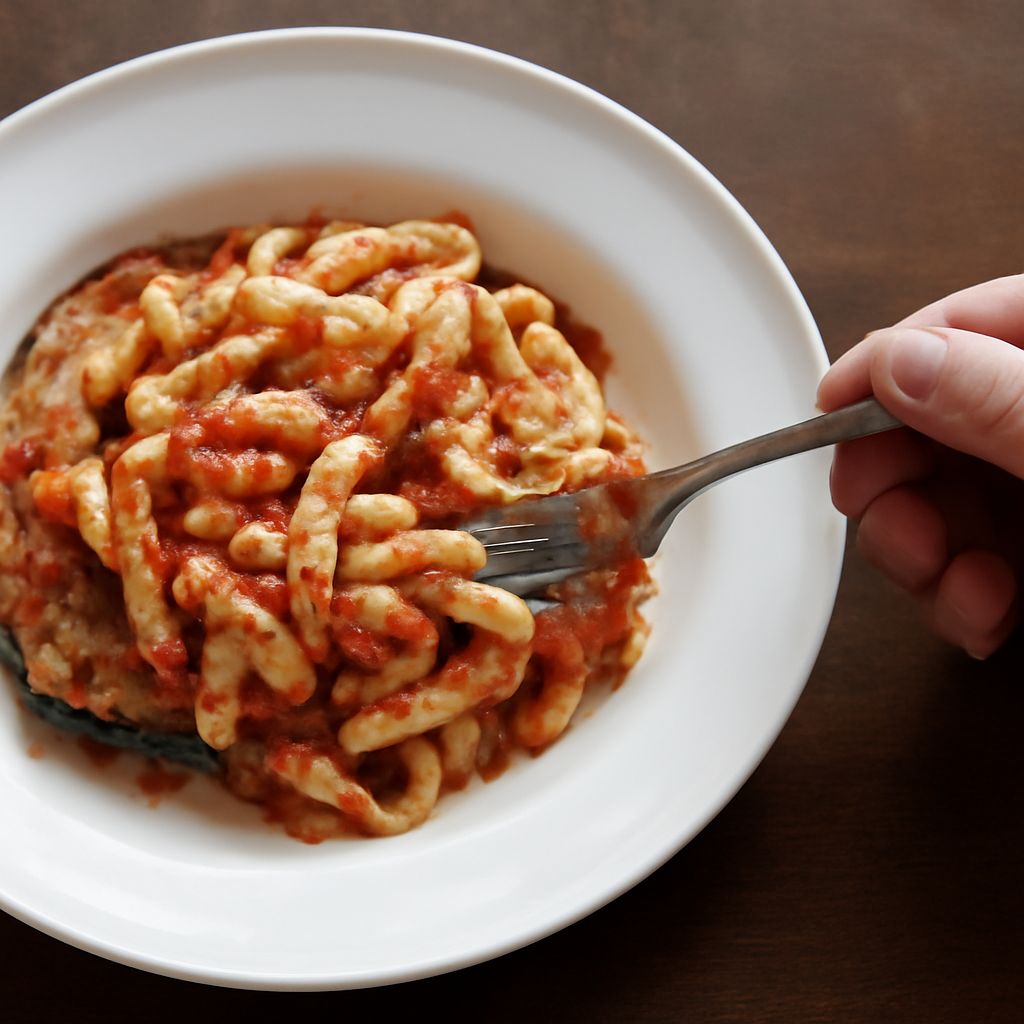
Sicilian dishes bring together the island’s coastal seafood, fertile fields, citrus groves, olive oil, and wheat-based cooking. You’ll find bold contrasts in one meal: briny sardines with sweet raisins, smoky eggplant with salty capers, or creamy ricotta inside a crisp pastry shell.
Sicilian cuisine reflects centuries of Greek, Arab, Spanish, and Italian influence. That history appears in the island’s use of durum wheat, almonds, pistachios, citrus, tomatoes, saffron, sugar, and sweet-and-sour seasoning. Regional cooking changes noticeably from Palermo to Catania, Trapani, Syracuse, and Messina, so you should expect local versions of even the best-known dishes.
Sicilian Dishes: Wheat, Citrus, Nuts, and Greek, Arab, Spanish, and Italian Influences
Wheat forms the foundation of many Sicilian meals. Durum semolina becomes pasta, couscous, breads, and pastries, while chickpea flour creates panelle. Rice takes center stage in arancine, the island’s famous stuffed fried rice balls. Almonds, pistachios, pine nuts, and sesame seeds add richness and texture to both savory recipes and desserts.
Greek settlers helped establish olive cultivation, grape growing, and a lasting preference for seafood and simple grains. Arab rule introduced or popularized ingredients and techniques such as citrus, sugar, raisins, saffron, eggplant, couscous, and layered sweet-and-sour flavors. Spanish influence shaped later pastry and vegetable traditions, while Italian cooking connected these elements to modern pasta, tomato sauces, and regional home cooking.
Oranges and lemons cut through rich dishes and appear in salads, marinades, granitas, cakes, and seafood preparations. You’ll also see wild fennel, oregano, mint, capers, olives, and fresh tomatoes used to give simple ingredients a distinctly Sicilian character.
Sicilian Cuisine: Seafood, Eggplant, Tomatoes, and Island Staples
Along the coast, cooks rely on sardines, anchovies, swordfish, tuna, mussels, clams, and prawns. Inland kitchens make greater use of legumes, greens, pork, rabbit, and sheep’s milk cheese. Both traditions share a preference for strong, economical ingredients rather than elaborate preparation.
Eggplant is one of the island’s defining vegetables. It appears fried, roasted, stuffed, or simmered with tomatoes. Tomatoes arrived in Sicily after the Columbian exchange and became central to sauces, while olive oil, garlic, onion, basil, and salted ricotta reinforce the island’s Mediterranean profile. You’ll also find fennel, artichokes, broad beans, and zucchini in seasonal dishes.
Trapani’s seafood couscous shows western Sicily’s North African connection, combining steamed semolina with a richly seasoned fish broth. In the southeast, Syracuse and Noto are known for citrus, almonds, seafood, and elegant pastries. Palermo favors lively street food, while Catania is closely associated with eggplant-rich recipes and dishes built around the flavors of Mount Etna’s fertile countryside.
Savory Classics: Pasta alla Norma, Caponata, and Sarde a Beccafico
- Pasta alla Norma: This Catania specialty combines pasta with fried eggplant, tomato sauce, basil, and salted ricotta. The cheese adds a firm, savory finish that balances the sweet tomato and soft eggplant.
- Caponata: This vegetable stew centers on eggplant, celery, tomatoes, olives, and capers. Vinegar and sugar create its characteristic agrodolce, or sweet-and-sour, flavor. Serve it warm, cool, or at room temperature as a side dish or appetizer.
- Sarde a beccafico: Sardines receive a filling of breadcrumbs, pine nuts, raisins, parsley, and often garlic or lemon. You roll the fish around the stuffing and bake or grill it until the edges turn lightly crisp.
- Pasta con le sarde: This classic combines sardines with wild fennel, raisins, pine nuts, saffron, and breadcrumbs. It captures the island’s sweet-savory style in a single pasta dish.
Traditional Sicilian Food: Arancine, Panelle, and Palermo Street Stalls
For traditional Sicilian food you can eat on the move, start in Palermo. Arancine are golden fried rice balls filled with ragù, mozzarella, spinach, or ham and cheese. In western Sicily, the name is usually arancina; eastern towns often use arancino. Both versions offer a crisp shell and a hot, seasoned center.
Panelle are thin chickpea-flour fritters seasoned with parsley, fried, and tucked into a sesame roll. You may order them alone or with potato croquettes called crocchè. Another Palermo favorite, pani ca meusa, places sautéed veal spleen and lung in a soft roll, often with lemon or grated cheese.
At markets such as Ballarò and Vucciria, you can also find sfincione, a thick, airy pizza-like bread topped with tomato, onion, anchovies, breadcrumbs, and cheese. These foods reflect Palermo’s practical street-stall culture and its layered Arab, Spanish, and Mediterranean heritage.
Sweets and Regional Variation: Cannoli, Almonds, and Local Traditions
Cannoli consist of crisp fried pastry tubes filled with sweetened sheep’s milk ricotta. Pistachios, candied orange, chocolate, or cherries usually decorate the ends. Fill them shortly before serving so the shells stay crunchy.
Cassata Siciliana layers sponge cake, ricotta, candied fruit, and marzipan beneath colorful icing. In Noto and the southeast, almond paste and almond biscuits are especially prominent. Catania and Mount Etna towns serve granita with brioche, often in lemon, almond, coffee, or pistachio flavors. Palermo’s pastries lean toward ricotta and candied citrus, while Messina’s cooking highlights swordfish, seafood, and granita.
That regional range is central to Sicilian cooking: the same island can give you Trapani couscous, Catania’s pasta alla Norma, Palermo’s panelle, and Noto’s almond sweets, each shaped by its landscape and history.