Swiss food reflects the country’s mountains, farms, trade routes, and four language regions. You will find far more than fondue: potatoes, grains, breads, preserved meats, seasonal vegetables, pastries, and chocolate all shape Swiss cuisine.
To understand cuisine in Switzerland, compare the German-, French-, Italian-, and Romansh-speaking areas. Each region uses neighboring culinary traditions while keeping distinctive local ingredients and dishes.
Swiss Food Foundations: Cheese, Potatoes, Grains, Breads, and Meats
Mountain dairy farming gives Swiss cooking its famous cheeses, including Gruyère, Emmentaler, Appenzeller, and Raclette du Valais. Cooks use them in baked dishes and sauces, but cheese is only one part of the daily table.
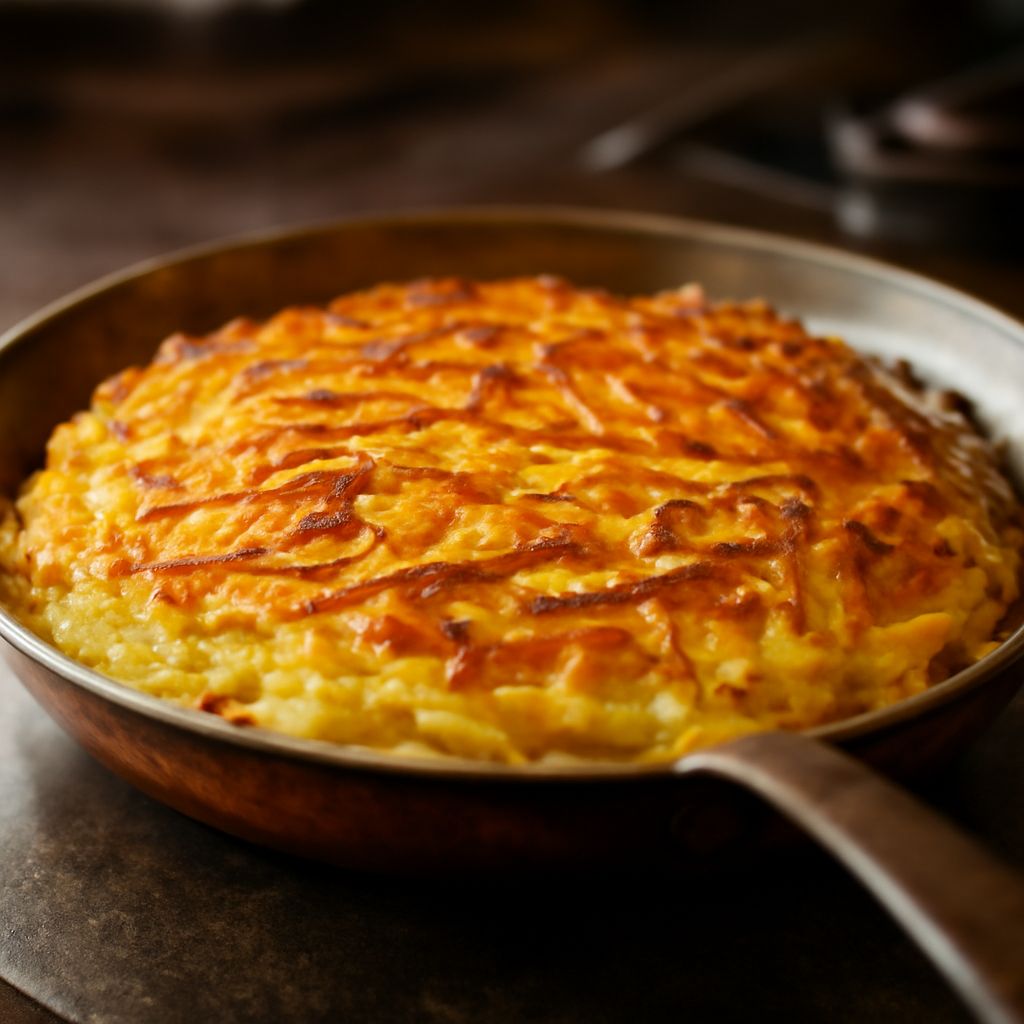
Potatoes provide another foundation. Grated and pan-fried, they become rösti; layered with cream, onions, and cheese, they appear in Älplermagronen, a hearty Alpine pasta dish. Barley, wheat, and rye support soups, noodles, dumplings, and breads. Swiss cooks also use veal, pork, sausages, and air-dried meats such as Bündnerfleisch, especially in colder mountain regions.
These ingredients reflect practical cooking: farmers preserved meat, stored potatoes and grains, and turned milk into cheese that could last through winter. Modern menus still preserve those methods while adding lighter salads, vegetables, and contemporary sauces.
Alpine Staples: Fondue, Raclette, and Rösti in Context
Fondue combines melted cheese, usually Gruyère and Vacherin Fribourgeois, with white wine and seasonings. You dip cubes of bread into the shared pot, making it a slow, social meal rather than a complete definition of Swiss cuisine.
Raclette follows a similar communal idea, but you melt the cheese and scrape it over boiled potatoes. Serve it with pickled onions, gherkins, and sometimes charcuterie. In contrast, rösti is a crisp potato cake that works as breakfast, a side dish, or a base for toppings such as egg, cheese, bacon, or smoked salmon.
Other Alpine staples include creamy Älplermagronen, often served with applesauce, and barley soup, which remains closely associated with mountain cooking. Together, these dishes show how Swiss food balances dairy with potatoes, grains, fruit, and preserved ingredients.
Swiss Cuisine Across German-, French-, Italian-, and Romansh-Speaking Regions
The German-speaking north and center favor dishes such as rösti, Zürcher Geschnetzeltes, sausages, baked pasta, and braided Zopf bread. Zürcher Geschnetzeltes pairs thinly sliced veal with a creamy mushroom sauce and commonly appears with rösti.
French-speaking western Switzerland emphasizes butter, cream, wine, and regional vegetables. Fondue from Fribourg and Vaud, Valais raclette, and papet vaudois illustrate this influence. Papet vaudois combines leeks and potatoes and is traditionally served with saucisson vaudois, a smoked sausage.
Italian-speaking Ticino brings polenta, risotto, minestrone, chestnuts, and pasta into the national food landscape. In the Italian valleys of Graubünden, you may also encounter pizzoccheri, buckwheat pasta served with potatoes, greens, butter, and cheese.
Romansh-speaking areas, particularly in Graubünden, preserve mountain dishes such as capuns, barley soup, air-dried meats, and nut-filled pastries. The result is not four separate cuisines, but a compact mix of Alpine, Germanic, French, and Italian traditions.
Regional Savory Dishes: Zürcher Geschnetzeltes, Capuns, and More
Capuns are a specialty of Graubünden made by wrapping a savory mixture of spätzle-style dough, meat, and herbs in Swiss chard leaves. They are simmered or baked and served with a creamy sauce. Recipes vary between valleys, so you may find vegetarian versions or different cured meats.
In Bern, a Berner Platte brings together several meats, sausages, potatoes, sauerkraut, and beans. Valais specialties include dried meats, rye bread, and cholera, a rustic pie filled with potatoes, leeks, apples, and cheese. Ticino’s grotti serve polenta with braised meats, mushrooms, or cheese.
These meals are useful choices when you want a substantial regional plate: order capuns for herb-filled mountain cooking, Zürcher Geschnetzeltes for a creamy veal dish, or polenta for the Italian-influenced south.
Chocolate, Pastries, Regional Breads, and Meal Traditions
Swiss chocolate ranges from milk chocolate bars to carefully made pralines and truffles. Look beyond chocolate for Basler Läckerli, a spiced honey-and-nut biscuit from Basel; Engadiner Nusstorte, a caramelized walnut tart from Graubünden; and Birnbrot, a filled pear bread associated with Alpine areas.
Bread varies by region and occasion. Soft, braided Zopf often appears at Sunday breakfast, while dense rye loaves suit mountain meals and keep well. Ticino’s white pane ticinese is baked as a series of connected rolls that you can pull apart at the table.
A typical day may include bread, butter, cheese, yogurt, or muesli in the morning; a warm midday meal; and a lighter evening meal called Abendbrot, often built around bread, cheese, cold cuts, and pickles. That rhythm places fondue and raclette in their proper context: memorable communal specialties within a broader cuisine of grains, potatoes, meats, vegetables, pastries, and regional breads.