These French cuisine recipes give you a practical route from quick bistro cooking to formal dishes. Start with quiche, ratatouille, or onion soup when you want a manageable meal; choose a braise, confit, or pastry-based preparation when you have more time.
A classic French menu depends less on decoration than on technique: slow browning, controlled braising, balanced sauces, crisp pastry, and properly cooked vegetables. Use the effort guide at the end to match each dish to your schedule.
French Cuisine Recipes: Starters and Vegetable Dishes
Soupe à l’oignon gratinée is one of the easiest traditional starters. Slowly cook 1 kilogram of sliced onions in butter for 35 to 45 minutes until deeply golden, then add beef or vegetable stock and simmer for 20 minutes. The onions should taste sweet and savory, not burnt. Top bowls with toasted baguette and Gruyère, then broil until bubbling.
Quiche Lorraine combines crisp pastry with a rich egg custard and bacon. Blind-bake a 23-centimeter pastry shell for about 15 minutes at 190°C, then fill it with 150 grams of cooked bacon, four eggs, and 240 milliliters of cream. Bake for 30 to 35 minutes, until the center still has a slight wobble. Rest it for 10 minutes so the custard sets cleanly.
Ratatouille makes a flexible vegetable main or side. Dice eggplant, zucchini, bell peppers, onion, and tomatoes. Sauté each firm vegetable separately when possible, combine them with garlic and thyme, and simmer uncovered for 30 to 40 minutes. Stop when the vegetables are tender but still distinct; overcooking turns the dish watery.
For a simpler starter, serve salade Lyonnaise: crisp lardons, frisée, a poached egg, and a warm mustard vinaigrette. The hot bacon dressing slightly wilts the greens and supplies enough richness to precede a lighter main course.
Classic French Meat and Poultry Dishes: Braises, Roasts, and Confit
Coq au vin uses a wine braise to turn bone-in chicken into tender, deeply flavored meat. Brown about 1.5 kilograms of chicken and 150 grams of bacon, then cook onions, carrots, and mushrooms in the same pot. Add 750 milliliters of red wine and enough stock to nearly cover the chicken. Cover and simmer gently for 60 to 75 minutes. The meat is ready when a fork enters easily and the sauce coats the back of a spoon.
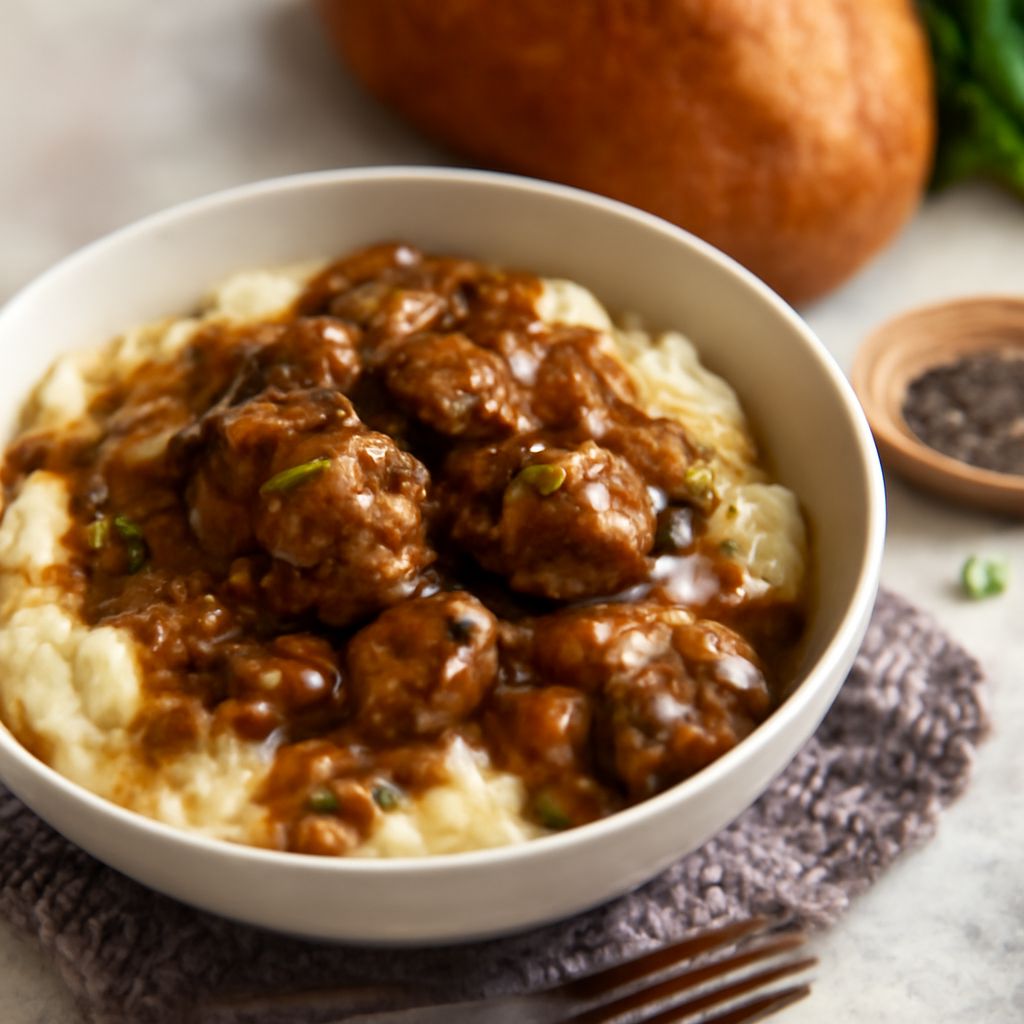
Boeuf bourguignon follows the same essential method but needs more time. Cut 1.5 kilograms of beef chuck into large cubes, dry them thoroughly, and brown them in batches. Add wine, stock, onion, carrot, garlic, and herbs, then braise covered at 160°C for 2½ to 3 hours. Add sautéed pearl onions and mushrooms near the end. Tough beef that remains chewy needs more cooking, not higher heat.
Duck confit is defined by curing and slow cooking in fat. Rub duck legs with salt, garlic, and thyme and refrigerate them overnight. Rinse and dry them, cover with duck fat, and cook at about 120°C for 2 to 3 hours, until the meat nearly falls from the bone. Crisp the skin in a hot skillet or oven immediately before serving.
For a faster roast, make poulet rôti. Salt a whole chicken several hours ahead, dry the skin, and roast at 220°C for 15 minutes before reducing the oven to 190°C. A 1.5-kilogram chicken usually takes 60 to 75 minutes. Rest it for 15 minutes; the juices should run clear and the thickest thigh should reach 74°C.
Traditional French Cuisine: Sauces, Sides, and Desserts
Sauces provide the structure of traditional French cuisine. Use béchamel, made by whisking equal parts butter and flour before adding warm milk, for gratins and croque monsieur. Velouté uses a pale roux and light stock. Beurre blanc is an emulsion of reduced white wine, vinegar, and shallot finished with cold butter; keep the heat low so it stays smooth. A reduced braising liquid can serve as a quick sauce for beef or chicken.
Match rich mains with simple sides. Gratin dauphinois layers thin potatoes with cream, garlic, and seasoning; bake at 160°C for 75 to 90 minutes until a knife slides through the center. Pommes purée becomes smooth when you rice hot potatoes before folding in warm butter and milk. Haricots verts with butter and shallot add freshness without competing with a braise.
For dessert, choose crème brûlée for a make-ahead option, tarte Tatin for caramelized apples beneath crisp pastry, or a soufflé when you want a last-minute project. Chill crème brûlée completely before adding sugar and torching it. Bake a soufflé as soon as you fold in the whipped egg whites; it should rise, have a set edge, and remain softly moist inside.
Fancy French Food: Formal Techniques, Not Just Presentation
Fancy French food earns its reputation through precision and labor, not a few decorative herbs. Duck à l’orange combines roasted duck with a caramelized citrus sauce, while sole meunière relies on flour-dusted fish, brown butter, lemon, and parsley cooked at the right moment.
More advanced projects include pâté en croûte, which requires seasoned filling, a sturdy pastry case, and careful baking so the crust stays crisp. Consommé demands clarification with a protein-rich raft to produce a clear broth. These dishes reward preparation: make the stock, pastry, or sauce a day ahead and reserve final cooking for serving time.
French Meat Dishes: Build a Menu by Effort
- Easy, under one hour: Serve salade Lyonnaise or quiche Lorraine with haricots verts, then finish with crème brûlée made earlier. This menu uses quick sautéing, custard, and simple assembly.
- Moderate, about two hours: Pair soupe à l’oignon with poulet rôti, pommes purée, and a green salad. Roast the chicken while the onions cook, and rest the bird while you finish the potatoes.
- Slow but forgiving: Make coq au vin or beef bourguignon with gratin dauphinois and a crisp salad. Prepare the braise the day before; its flavor improves overnight, and you only need to reheat it gently.
- Formal weekend menu: Begin with pâté en croûte or a small soup, serve duck confit or duck à l’orange with seasonal vegetables, and finish with a soufflé or tarte Tatin. Schedule curing, pastry, and dessert first, then cook the main dish close to service.