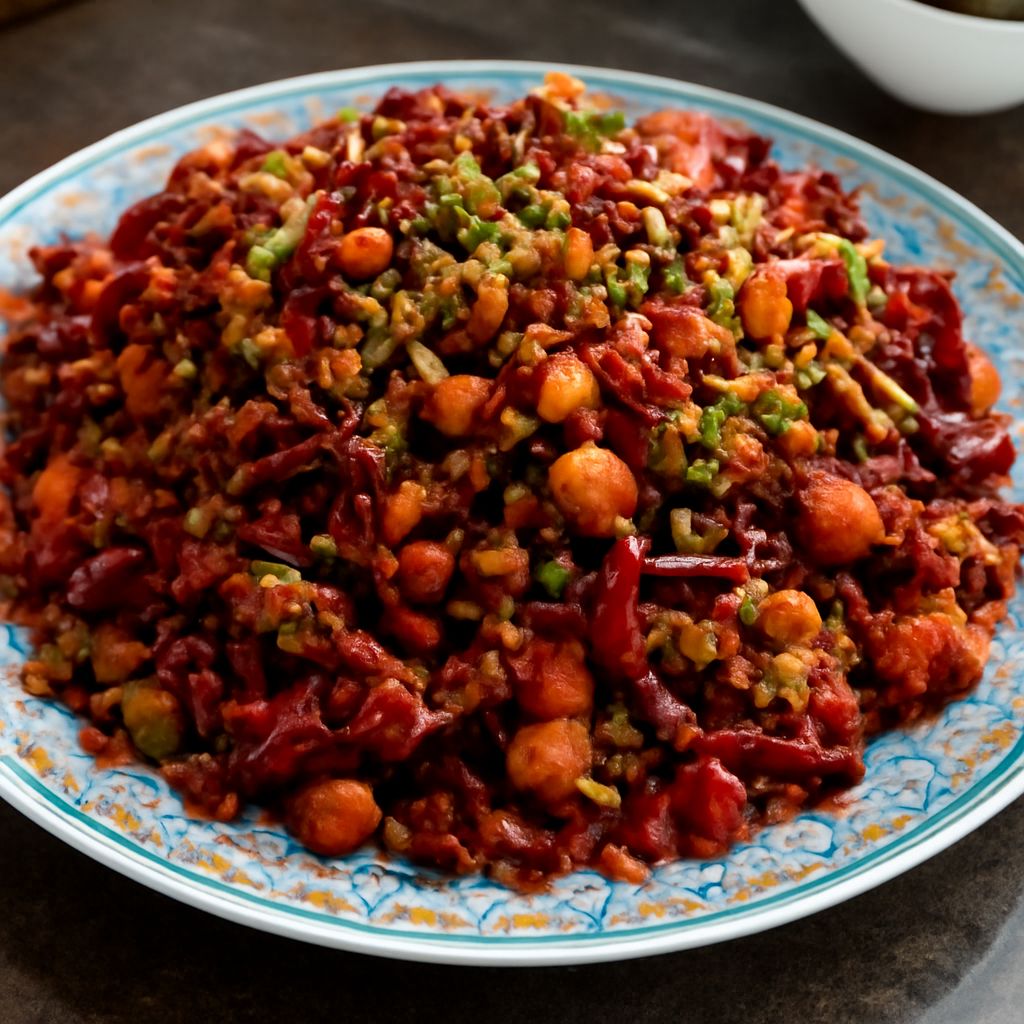
Sichuan cuisine is defined by layered flavor rather than heat alone. Chiles bring warmth, Sichuan pepper adds a citrusy tingle, and fermented pastes, garlic, ginger, vinegar, and aromatic oils build depth around them. The result can be fiery, savory, smoky, tangy, fragrant, or surprisingly delicate.
When you explore Sichuan cooking, look for contrast: hot dishes beside cold ones, crisp vegetables with rich sauces, and intensely seasoned meat balanced by noodles or rice. The spelling Szechuan cooking appears in English-language menus, but it refers to this regional tradition and should not serve as a catchall for any spicy Chinese dish.
The flavor architecture of Sichuan cuisine
The signature flavor is mala, a combination of ma, the tingling or numbing sensation from Sichuan pepper, and la, the heat of chiles. Sichuan pepper does not simply make a dish hotter. Its lemony, floral aroma and vibrating sensation change how you experience salt, fat, acidity, and sweetness. A dish with plenty of pepper can feel lively and perfumed even when its chile level is moderate.
Good mala cooking balances that sensation with other flavor dimensions:
- Fragrance: Toasted Sichuan pepper, dried chiles, ginger, garlic, and scallions create the first aromatic layer.
- Fermented savor: Broad-bean chile paste, fermented black beans, and preserved vegetables add salt, umami, and a slightly funky depth.
- Acidity: Black vinegar or rice vinegar cuts through oil and gives noodles, cold dishes, and braises a clean finish.
- Sweetness: Sugar or sweet bean paste rounds out chile bitterness and supports savory sauces.
- Texture: Crisp fried aromatics, tender meat, silken tofu, chewy noodles, and crunchy peanuts keep intensely seasoned dishes from becoming one-note.
Chiles and Sichuan pepper also work differently depending on when you use them. Whole dried chiles fried briefly in oil add toasted aroma, while chile flakes or chile oil spread heat through a sauce. Peppercorns may be toasted and ground for a direct floral punch, infused into oil for a gentler effect, or added late so their aroma remains vivid. This control lets Sichuan cooks create dishes that are fiery, fragrant, sour, savory, or mild without losing their regional identity.
Essential ingredients in Sichuan cooking: fermented, aromatic, and fresh
Pixian doubanjiang, often called Sichuan broad-bean chile paste, is one of the cuisine’s most important seasonings. Made from fermented broad beans and chiles, it contributes salt, red color, chile warmth, and deep savory flavor. You fry it in oil to release its aroma before adding stock, meat, tofu, or vegetables. Its flavor is central to mapo tofu and many red, saucy preparations.
Douchi, or fermented black beans, adds concentrated umami and a pleasantly savory bitterness. Yacai, a finely chopped preserved mustard green, brings salt and fermented complexity to dan dan noodles and other noodle dishes. Sweet bean paste, soy sauce, and fermented or pickled chiles provide additional layers, but they do not replace doubanjiang. Each seasoning has a different balance of salt, sweetness, acidity, aroma, and fermentation.
The aromatic foundation usually includes garlic, ginger, scallions, and dried red chiles. Sichuan pepper may be green or red: green pepper tends to taste brighter and more herbal, while red pepper often has a fuller citrus and spice profile. Sesame paste, roasted sesame, peanuts, cilantro, and chile oil add richness or texture, especially in cold dishes and noodles. Black vinegar is another essential counterpoint, giving fatty pork, wheat noodles, and red-oil sauces a sharp, malty lift.
Fresh ingredients matter as much as the seasonings. Silken tofu absorbs chile-bean sauce while retaining a delicate texture; green beans and celery provide crunch; eggplant carries oil and aromatics; beef, pork, chicken, and fish take on different textures through slicing, poaching, frying, or braising. In Sichuanese cuisine, the seasoning is designed around the ingredient rather than poured over it indiscriminately.
Techniques behind Sichuanese cuisine: dry-frying, stir-frying, and braising
Dry-frying, or ganbian, cooks food in enough oil to brown and concentrate it without coating it in a heavy batter. The food gradually loses moisture, developing wrinkled edges and a chewy, concentrated texture. Dry-fried green beans become blistered and crisp, while dry-fried beef develops firm strands that catch chile, pepper, and aromatics.
Stir-frying builds flavor in stages. You heat the wok, add oil, bloom dried chiles and Sichuan pepper briefly, then fry ginger, garlic, scallions, or fermented paste. Meat or vegetables go in at the point that suits their cooking time, followed by a small amount of sauce. High heat keeps vegetables lively and allows the sauce to cling rather than turn watery. Overheating the chiles, however, makes them bitter, so timing matters.
Braising and related simmering methods allow fermented seasonings to penetrate slowly. Pork belly for twice-cooked pork is first simmered until tender, chilled or rested, and then sliced and stir-fried with chile-bean paste, garlic sprouts, or leeks. Other dishes use a rich, aromatic liquid to cook beef, fish, or tofu. The technique produces depth without requiring every dish to be aggressively hot.
Cold preparations use a different kind of flavor building. You blanch or poach the main ingredient, cool it, and dress it with chile oil, vinegar, soy sauce, garlic, sesame, or pepper oil. Because there is no hot wok to soften harsh flavors, the quality and balance of the dressing matter especially. This method produces bright, savory dishes that show how broad the cuisine can be.
Representative Sichuan food: cold, mild, dry-fried, saucy, meat, and vegetable dishes
Mapo tofu is the essential saucy example: soft tofu absorbs a glossy sauce of doubanjiang, minced meat or mushrooms, garlic, ginger, stock, and Sichuan pepper. It should taste savory and aromatic first, with heat and mala integrated into the sauce rather than floating separately.
Dan dan noodles combine wheat noodles with a concentrated topping of chile oil, sesame or peanut, preserved mustard greens, soy, and often minced pork. They are rich but not necessarily the hottest dish on the table. Kung pao chicken shows a drier balance, pairing small pieces of chicken with dried chiles, peanuts, scallions, and a sweet-sour sauce. The chiles provide fragrance as much as heat.
For meat dishes, try twice-cooked pork, in which tender pork belly is sliced and stir-fried until the edges brown, or water-boiled fish, a misleadingly named dish in which fish is gently cooked in a chile-and-bean sauce rather than plain water. The latter can be intensely spicy and oily, but the fish remains delicate beneath the aromatic broth.
Vegetable and cold dishes reveal the cuisine’s milder range. Dry-fried green beans are savory, wrinkled, and crisp, often finished with pork, garlic, and preserved vegetables. Fish-fragrant eggplant uses garlic, ginger, chiles, vinegar, and sugar; despite its name, it contains no fish. For a cold option, try sliced cucumber with garlic, vinegar, sesame, and chile oil, or bang-bang chicken with a nutty, spicy dressing. Together, these dishes show why Sichuan food is a system of contrasts, not simply a measure of how much chile a dish contains.