Spanish cuisine is built on regional ingredients, simple cooking methods, and strong contrasts between coastal and inland food. Olive oil, garlic, onions, peppers, rice, legumes, seafood, and cured meats appear throughout Spain, but each region combines them differently.
To understand Spanish dishes, look beyond tapas. You will find Atlantic bean stews, Mediterranean vegetable plates, Basque seafood, Valencian rice, Catalan sauces, Andalusian fried fish, and central Spanish roasts. The cuisine of Spain changes noticeably with geography, climate, and local agriculture.
Spanish cuisine: the staples of Spanish cooking
The flavor base: olive oil, garlic, onions, and sofrito
Extra-virgin olive oil supplies the main cooking fat and often finishes a dish. Garlic and onions build flavor in soups, stews, sauces, and rice dishes. Many recipes also begin with sofrito, a slow-cooked mixture that commonly includes onion, garlic, tomato, and olive oil. Its texture can range from rustic and chunky to smooth, depending on the region and recipe.
Smoked or sweet paprika, saffron, parsley, bay leaves, and sherry vinegar add character without making every dish hot or heavily spiced. Spanish cooking usually emphasizes the quality of a few ingredients rather than a long list of seasonings.
Core ingredients: rice, legumes, peppers, and cured meats
Rice supports many coastal meals, while chickpeas, lentils, and white beans anchor inland and northern cooking. Sweet red peppers, piquillo peppers, tomatoes, eggplant, and potatoes provide color and substance. Chorizo, jamón, morcilla blood sausage, and cured pork add salt and richness to stews and appetizers.
Fresh seafood is central along the Atlantic and Mediterranean coasts. Cod, hake, sardines, prawns, mussels, squid, and octopus appear grilled, fried, stewed, or preserved. Bread, local cheese, and seasonal fruit complete many informal meals.
Spanish dishes: tapas, tortilla española, and croquetas
Tapas are a serving format, not a cuisine
Tapas are small portions served with drinks or ordered as a shared meal. A tapa might be a few olives, a slice of tortilla española, grilled mushrooms, marinated anchovies, or a small serving of stew. Larger portions are often called raciones, while several people may order different plates for the table.
Tapas therefore describe how you eat a dish, not a single national recipe. Bars in Seville, San Sebastián, Madrid, and Valencia may offer entirely different foods. In the Basque Country, you will often see pintxos: small bites secured with a pick or arranged on bread. They are related to tapas but have their own local traditions.
Everyday plates: tortilla española and croquetas
Tortilla española, or Spanish potato omelet, combines sliced potatoes, eggs, olive oil, and usually onion. The potatoes cook slowly in oil before being folded into beaten eggs and set into a thick, round cake. You can eat it warm or at room temperature as breakfast, a light meal, or a bar snack.
Croquetas contain a thick béchamel filling mixed with ingredients such as jamón, chicken, cod, mushrooms, or spinach. The chilled mixture is shaped, coated in breadcrumbs, and fried until crisp. They are creamy inside and commonly served as tapas, starters, or part of a shared meal.
Dishes from Spain: rice, seafood, meats, and stews
Paella: rice, saffron, stock, and seasonal toppings
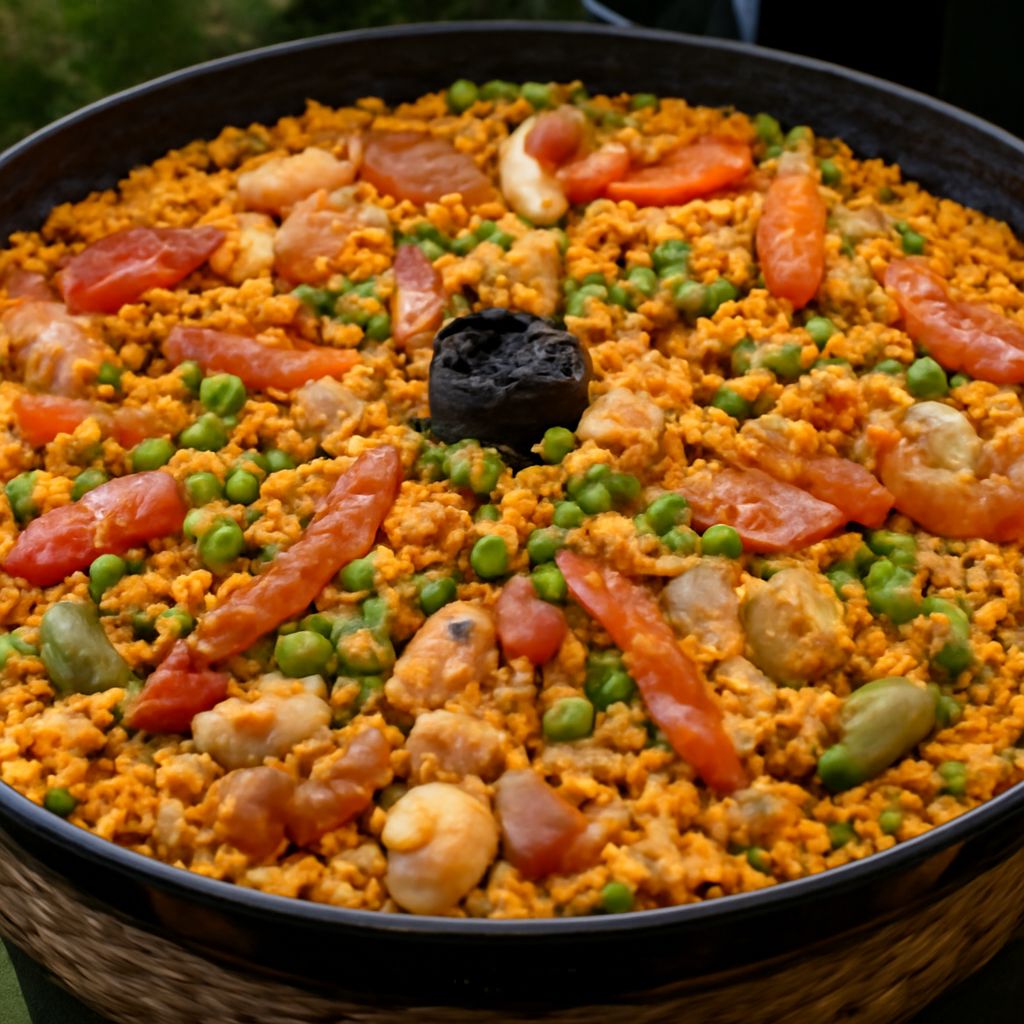
Paella comes from Valencia, where cooks traditionally prepare short-grain rice in a wide, shallow pan. Valencian paella commonly includes chicken, rabbit, green beans, and garrofó, a local type of lima bean. Saffron, paprika, olive oil, and stock season the rice, which cooks in a thin layer so the bottom can develop a prized crisp crust called socarrat.
Seafood paella uses ingredients such as prawns, mussels, squid, and fish stock. Mixed versions combine meat and seafood, although local cooks may distinguish them from traditional Valencian paella. The useful rule is to choose rice dishes by region: paella belongs especially to Valencia, while other Spanish areas have their own rice preparations.
Fabada, pulpo, and other regional specialties: beans, pork, octopus, and paprika
Fabada asturiana is a rich stew from Asturias made with large white beans, chorizo, morcilla, and pork belly or pancetta. Slow cooking softens the beans and blends the smoky, savory flavors. It is substantial cold-weather food, usually served as a main course with bread.
Galician pulpo a feira features tender boiled octopus cut into rounds and seasoned with olive oil, coarse salt, and paprika. It is traditionally served on a wooden plate, often alongside boiled potatoes. Other important stews include Madrid’s cocido madrileño, made with chickpeas, vegetables, and assorted meats, and caldo gallego, a Galician broth with greens, potatoes, beans, and sometimes pork.
Regional traditions in the cuisine of Spain
Atlantic traditions: seafood, cider, and fabada
Galicia, Asturias, and Cantabria draw heavily on cool Atlantic waters, green pasture, and abundant rainfall. You will find shellfish, hake, octopus, salt cod, potatoes, cabbage, and beans on local tables. Asturias is known for fabada and dry natural cider, while Galicia is celebrated for pulpo, empanadas, and seafood served with minimal seasoning.
Basque cooking: pintxos, bacalao, and bold sauces
Basque cooking combines excellent seafood with carefully made sauces. Bacalao al pil-pil uses salted cod, olive oil, and garlic; cooks emulsify the oil and fish juices into a glossy sauce. Bacalao a la vizcaína uses a red pepper and onion sauce. In San Sebastián and Bilbao, pintxos turn these flavors into small, visually composed bites.
Mediterranean traditions: olive oil, vegetables, and seafood
Mediterranean regions favor olive oil, tomatoes, peppers, eggplant, artichokes, citrus, rice, and fresh fish. Meals often balance vegetables with seafood or poultry rather than relying on heavy sauces. Catalonia and Valencia share this coastal foundation, but each has developed distinctive combinations and techniques.
Valencian cooking: paella and rice-centered meals
Valencia treats rice as a regional specialty rather than merely a side dish. Alongside paella, you may encounter arroz a banda, rice cooked with fish stock and served with seafood, or arròs negre, colored and flavored with squid ink. Seasonal produce, rabbit, chicken, seafood, and local beans shape the choice of rice dish.
Catalan cooking and central Spain: sofregit, roasts, and hearty stews
Catalan recipes often begin with sofregit, a slowly cooked mixture of onions and tomatoes, and may use picada, a finishing blend of nuts, garlic, herbs, or bread. Escudella i carn d’olla combines broth, vegetables, beans, and meats. Central regions favor substantial dishes such as cocido madrileño, roast lamb, suckling pig, and paprika-seasoned legumes.
Andalusian cooking: gazpacho, olive oil, and fried seafood
Andalusian food reflects hot summers, olive groves, and a long coastline. Gazpacho blends tomatoes, cucumber, peppers, garlic, olive oil, vinegar, and bread into a chilled soup. Salmorejo is thicker and is commonly topped with chopped egg and jamón. Along the coast, pescaíto frito offers small fish or seafood lightly floured and fried, making it one of the most recognizable dishes from Spain.