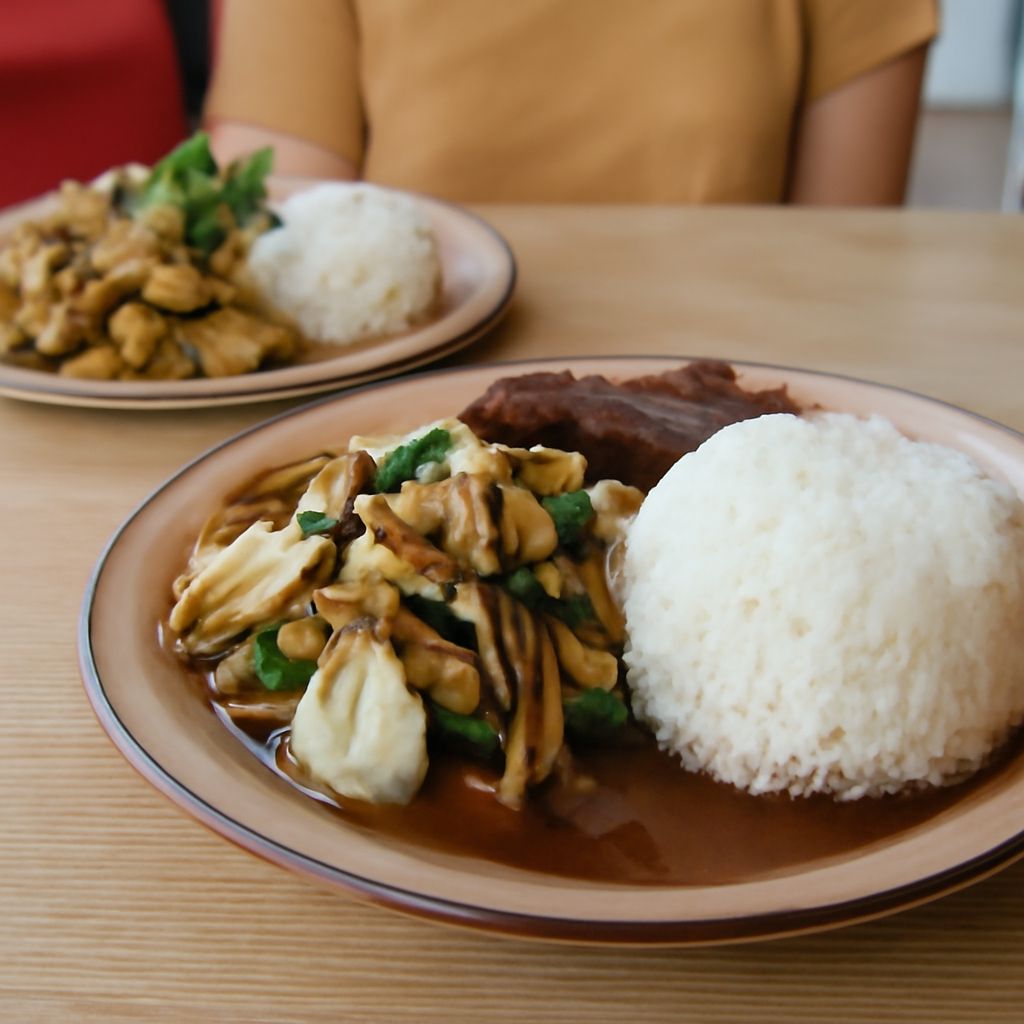
Samoan food is built around starchy roots, coconut, fresh seafood, meat, and leafy greens. You will see these ingredients prepared simply, often over hot stones or shared from large serving dishes. Taro, breadfruit, and coconut provide the foundation, while fish, pork, chicken, and seasonal produce add variety.
When you explore Samoan cuisine, look for the balance between rich coconut-based dishes, fresh raw preparations, and foods cooked slowly in an umu. These traditions make Samoan foods especially suited to communal meals, although many staples also appear in everyday home cooking.
Samoan Food Staples: Taro, Breadfruit, Coconut, Fish, Pork, and Greens
Taro, called talo, is one of the most important staples. You can eat the cooked corm alongside meat, fish, or coconut-rich sauces. Its leaves also appear in dishes such as luau and palusami. Breadfruit, or ulu, offers another filling starch. It is commonly roasted, baked, or boiled until its texture becomes soft and dense, similar to a potato with a slightly sweet flavor.
Coconut is equally important. Fresh coconut milk enriches savory dishes, while coconut cream gives leafy greens and wrapped fillings their signature richness. Cooks also use grated coconut and coconut water, so the fruit contributes flavor at several stages of a meal.
Fresh fish may be grilled, baked, or served raw with citrus and coconut. Pork is a traditional centerpiece for larger gatherings, and chicken is common in both home meals and celebrations. Greens such as taro leaves, breadfruit leaves, and other local leafy vegetables help balance the heavier starches and meats.
Samoan Foods to Try: Palusami, Oka, Sapasui, and Luau
Palusami combines taro leaves with coconut cream, often with onion, salt, and corned beef or another savory filling. You wrap the mixture in several leaves, then bake or cook it in an umu until the leaves soften and the coconut cream becomes savory and silky. It is rich, tender, and one of the most recognizable dishes in Samoan cooking.
Oka is a fresh fish dish made with raw, boneless seafood. Cooks typically marinate the fish with lemon or lime, then mix it with coconut cream, onion, cucumber, tomato, or other crisp ingredients. The result resembles other Pacific raw-fish preparations, but coconut cream gives oka a distinctly smooth, rich finish. Because the fish remains the focus, use very fresh seafood and serve it chilled.
Sapasui is Samoa’s version of chop suey, usually made with vermicelli noodles, beef, chicken, or pork, plus onion and seasonings. It reflects Chinese influence on Pacific cooking and differs from coconut-heavy dishes through its savory, noodle-based texture.
Luau refers to tender taro leaves cooked with coconut cream. Depending on the household or occasion, the dish may include onion, meat, or seafood. The leaves must cook thoroughly so they become soft and pleasant to eat. Together, palusami and luau show how Samoan cooks turn leafy greens and coconut into substantial side dishes.
Umu Cooking: Samoa’s Earth-Oven Method for Meats and Roots
An umu is a traditional above-ground earth oven heated with stones. To prepare one, cooks heat stones over a fire, place wrapped or leaf-covered food on top, and cover the food so the retained heat cooks it evenly. Depending on the ingredients and size, cooking can take roughly one to several hours.
Umu cooking works especially well for whole fish, pork, chicken, taro, breadfruit, bananas, and palusami. The enclosed heat softens roots, renders fat from pork, and lets coconut-based fillings absorb a gentle smoky flavor. A properly cooked umu meal should produce tender meat, soft starches, and leaves that pull apart easily rather than remaining tough.
The umu is also a shared task. Family members may gather wood, heat stones, prepare food, and arrange the serving platters together. The method therefore connects cooking with hospitality, cooperation, and the preparation of a meal for many people.
Samoan Cuisine at Feasts and Everyday Meals
At a feast, you may find an umu spread that combines roasted pork or chicken, whole fish, taro, breadfruit, bananas, palusami, luau, and fresh salads. Oka adds a cool contrast to the hot foods, while sapasui provides a familiar noodle dish for a large group. Coconut-based sides tie the different flavors together.
Everyday meals can be simpler. A household might serve boiled or roasted taro with fish, greens, and coconut cream, or pair leftover meat with breadfruit and a fresh vegetable side. The portions are often designed for sharing rather than individual plating, and guests are offered food generously.
When choosing what to try first, start with taro or breadfruit for the staple base, palusami or luau for coconut-rich greens, oka for fresh seafood, and sapasui for a savory noodle dish. Choose umu-cooked pork, fish, or roots when you want to experience the communal cooking tradition at the heart of a Samoan feast.