The difference between roasting and baking is mainly culinary convention: both methods cook food with dry heat in an oven, but you usually roast solid foods to develop a browned exterior and bake structured foods until their interior sets. Temperature, airflow, pan design, and the food’s texture can influence the choice, but neither method relies on fundamentally different oven heat.
In practice, the terms overlap. You can roast vegetables, bake potatoes, and use either word for some chicken dishes depending on the recipe and desired result.
The Shared Dry-Heat Principle
Roasting and baking both transfer heat through hot air, the oven walls, and the cooking pan. The food’s surface heats first, moisture evaporates, and the center gradually cooks. As the surface dries, browning reactions can create deeper color and savory flavor.
Your oven does not switch from “baking heat” to a fundamentally different “roasting heat.” A conventional oven uses radiant heat from its elements and circulating hot air. A convection oven adds a fan to move that air more actively, which can speed browning and cooking for either method.
The distinction comes from what you are cooking and what you want the finished food to do. Baking usually supports a food’s structure as it rises, sets, or holds moisture in a pan. Roasting usually exposes the food directly to hot air so its outside can dry, brown, and develop a firmer texture.
Difference Between Roasting and Baking: The Practical Distinction
When you ask what is the difference between roasting and baking, start with the food’s structure.
- Roasting: You generally roast solid foods such as meat, poultry, fish, potatoes, and vegetables. The goal is often a browned or crisp exterior with a juicy, tender, or creamy interior.
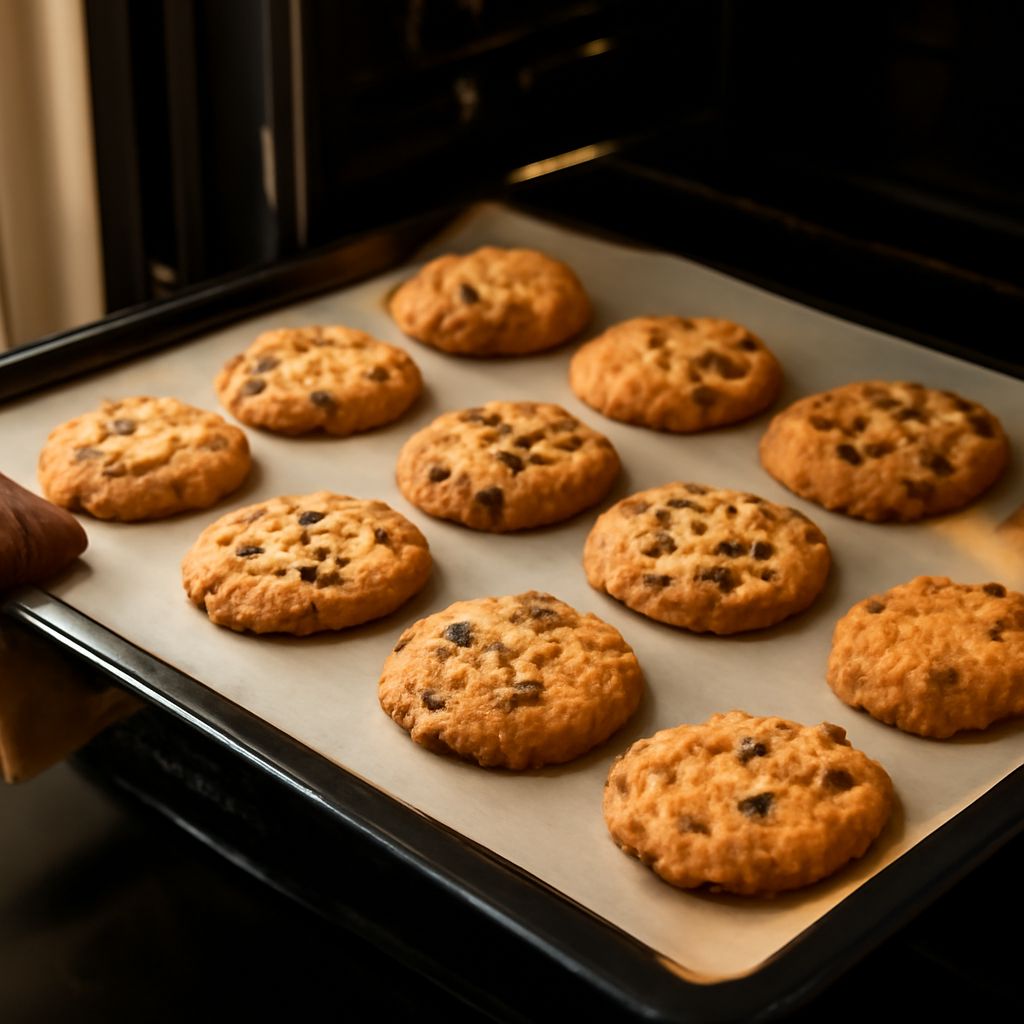
- Baking: You generally bake foods made from batter, dough, custard, or a combined mixture, such as bread, cake, cookies, pies, quiche, and casseroles. The goal is usually for the food to rise, set, firm up, or cook evenly throughout.
Roasting commonly uses an uncovered, shallow pan or sheet pan. This gives hot air access to more of the food’s surface and lets moisture escape. A roasting rack can lift meat above the pan, allowing air to circulate underneath and keeping the underside from sitting in juices.
Baking commonly uses a deeper or more supportive pan. A cake pan holds a batter while it sets; a loaf pan supports dough as it rises; and a casserole dish keeps a layered or liquid mixture together. Covering a baked dish can retain moisture, soften the surface, and slow browning.
These are tendencies, not strict legal definitions. A whole chicken may be called baked or roasted, and vegetables can be baked in a covered dish or roasted on a sheet pan. The difference between baking and roasting often reflects the recipe’s culinary tradition as much as its technical process.
What’s the difference between roasting and baking? Temperature, Browning, and Airflow
Roasting often uses moderately high to high temperatures, commonly about 400°F to 450°F. That range helps vegetables caramelize, potatoes crisp, and poultry skin brown before the interior loses too much moisture. Large cuts of meat may begin at a high temperature and finish at a lower one.
Baking uses a wider range, often about 325°F to 400°F, because the food may need time to cook through without burning its edges. Cakes, custards, breads, and casseroles depend on controlled heating. Some breads bake above 400°F, while delicate custards may need a lower temperature or a water bath.
Temperature alone does not identify the method. You can bake a casserole at 425°F or roast vegetables at 350°F. The food’s composition, size, moisture, and structure matter more than the number on the oven.
Browning also depends on exposure. An uncovered roast has more direct contact with moving hot air, so its surface can dry and brown. A casserole covered with foil traps steam and stays softer. Even uncovered baked foods can brown well when their surfaces contain sugar, fat, or protein, as with bread crust, cookies, and a cheese topping.
Pan choice reinforces the goal. Use a shallow sheet pan or roasting pan when you want evaporation and surface color. Leave space between pieces; crowded vegetables release steam and may become soft instead of browned. Use a baking dish or shaped pan when the food needs support, moisture retention, or an even edge.
What Is the Difference Between Roasting and Baking for Chicken, Vegetables, Potatoes, and Casseroles?
Borderline foods show why the labels can overlap:
- Chicken: You typically roast a whole chicken or bone-in pieces uncovered, often at 375°F to 425°F, to brown the skin while the meat cooks through. You may bake chicken breasts, chicken thighs, or chicken in a sauce when moisture and gentle, even cooking matter more than crisp skin. Cook poultry to a safe internal temperature of 165°F.
- Vegetables: Roast broccoli, carrots, cauliflower, or Brussels sprouts on a lightly oiled sheet pan when you want browned edges and concentrated flavor. Bake them in a covered dish, gratin, or layered casserole when you want tender vegetables in a moist sauce.
- Potatoes: Roast wedges or cubes with oil and space between pieces for crisp surfaces. Bake whole potatoes when you want the skin to dry while the inside becomes fluffy. A whole baked potato is not usually called roasted, even though it cooks with the same dry oven heat.
- Casseroles: Bake lasagna, macaroni and cheese, enchiladas, and breakfast casseroles because the mixtures need a dish to hold their layers, sauce, and structure. An uncovered casserole can still brown on top, while a covered one stays softer and moister.
Difference Between Baking and Roasting: Which Method Should You Choose?
Choose roasting when the food is already structurally solid and you want surface browning, crisp edges, or concentrated flavor. Toss vegetables or potatoes with enough oil to coat them, spread them in a single layer, and leave room between pieces. Roast uncovered, turning or stirring when needed.
Choose baking when the food begins as a batter, dough, custard, or loose mixture that needs support while it rises or sets. Use the pan size specified by the recipe because changing it affects depth, cooking time, and browning. Avoid opening the oven repeatedly when a cake, soufflé, or bread depends on steady heat.
If either term seems reasonable, use the desired texture as your deciding factor: choose the more exposed, hotter setup for browning and crispness; choose a deeper, more supportive, or covered setup for an even, tender, or moist result.